Indian public and private sector firms on a drive to develop EV infrastructures and components
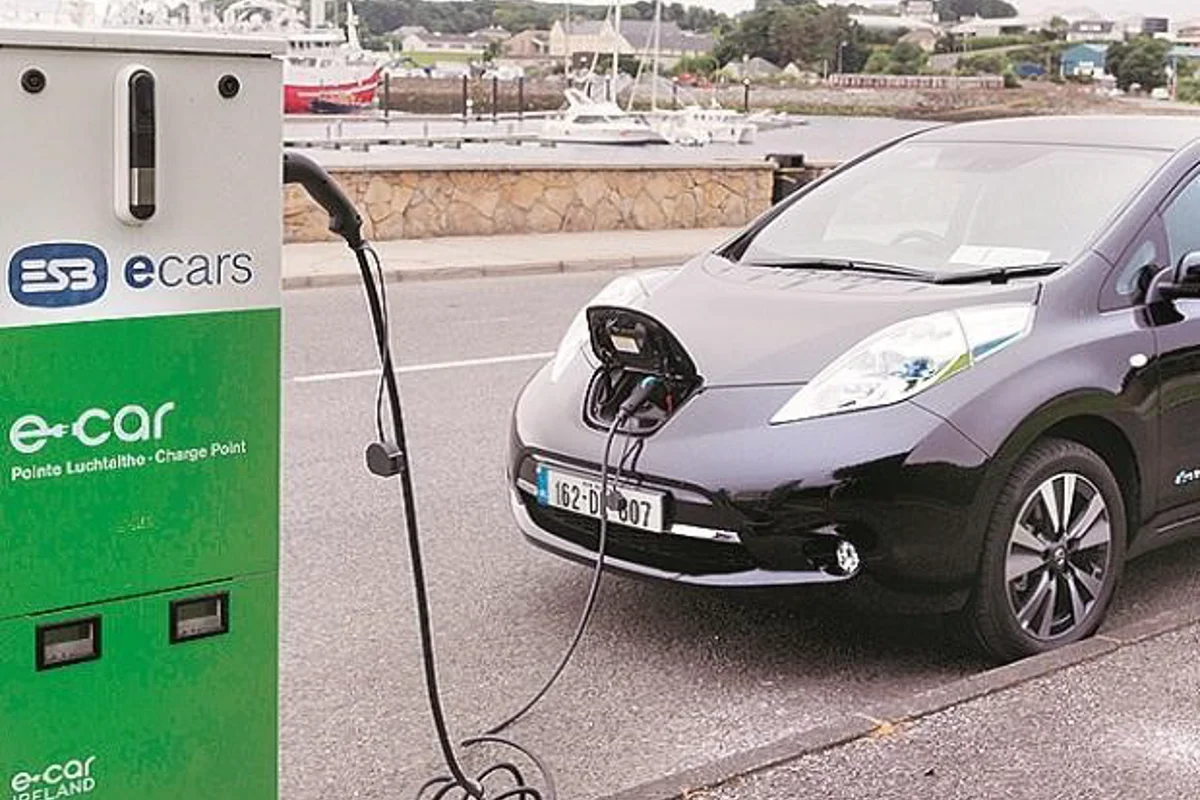
Indian Ministries and public sector firms are working towards building infrastructure and manufacturing components for electric vehicles (EVs). It is estimated that the EV market in 2030 would be valued at INR 42,000 crore. Private sector is also investing in manufacturing and installing EV infrastructures including charging and battery swapping technologies, as said by the NITI Aayog.
Industry players are also exploring solar-plus-EV technology. Indian Railways has decided to allocate space for EV charging places at their station parking lots on public-private partnership.
Indian Oil Corporation has partnered with clean energy firm Fortum India for EV charging stations to be started in Nagpur, Hyderabad, Kolkata and Delhi. The company also signed agreements with NTPC, Powergrid and Rajasthan Electric to install EV charging stations..
Heavy Electricals is also executing commercial orders for installation of DC chargers across locations in the country. It is also to get into the manufacturing of EV chargers, electric buses and related components. Hindustan Petroleum is planning to set up charging stations across its networks in collaboration with Tata Power.
Research is also going on to come up with an energy storage product for EVs to limit dependence on lithium ion batteries.

Energy Efficiency Services (EESL) has ventured into demand aggregation for EVs, which could help develop better charging infrastructure. EESL has pushed the deadline to roll out the first 500 electric vehicles to September 2019.
The Union housing ministry has issued rules for providing EV charging stations in private and commercial buildings in town planning. The government has pledged to achieve 30 per cent of electro-mobility by 2030 and the national budget 2019-20 has allotted INR 10,000 crore for Phase-II of Electric Vehicles scheme.
Nalco, one of the leading three aluminium producers in India is planning a production line for lithium ion cells in collaboration with ISRO. India imported lithium ion batteries worth US$150 million in 2017. Indian aluminium sector is also upbeat about EV production in India as it is expected to boost aluminium demand for vehicle body applications and battery housings.
Automotive Aluminum Advisors adds three new members to their technology and engineering team
Next articleRetail sales of passenger vehicles up month-on-month in April across China
Grow with
AL Circle