Indian government approves ZAM-based structures for residential solar
Stock image for referential purposes only
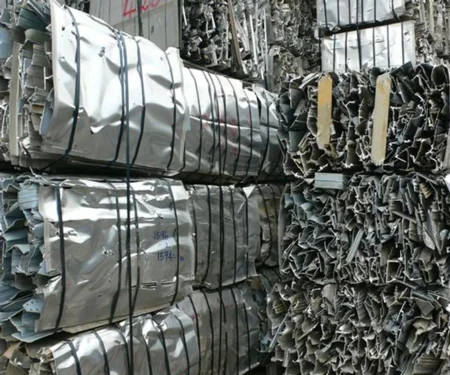
The Ministry of New and Renewable Energy (MNRE) has revised the approved material list for module mounting structures (MMS) used in residential rooftop solar systems under the ‘PM Surya Ghar: Muft Bijli Yojana’ (Prime Minister’s free electricity scheme). Among the latest additions is Zinc Aluminium Magnesium (ZAM) alloy, which can now be used alongside galvanised iron, aluminium, hot-dip galvanised mild steel, and conventional mild steel for the fabrication of these structures.
The change was introduced through an official memorandum issued by the ministry after repeated representations from industry stakeholders. Recommendations and technical feedback from the National Institute of Solar Energy (NISE) also played a role in the decision-making process. The amendment applies to the “Central Financial Assistance (CFA) to Residential Consumers” component of the government’s rooftop solar programme.
Under the updated guidelines, Annexure 3 — which outlines technical standards for rooftop solar plants under the scheme — has been modified to include ZAM alloy as an approved material for mounting structures. Even with this inclusion, the ministry has clarified that mild steel will continue to remain the preferred option for raised installations.
The notification also sets out the standards that manufacturers must follow while using the new material. Structures made with ZAM alloy are required to comply with the latest IS 18513:2023 specifications. Existing standards linked to galvanised steel and aluminium structures, including IS 2062:2011 and IS 4759, will remain applicable without any alteration. Apart from the inclusion of ZAM alloy, all other provisions mentioned in Annexure 3 will continue as before, according to the ministry.
ZAM-coated steel has been gaining attention internationally within the solar industry because of its ability to withstand corrosion more effectively than traditional galvanised iron structures. The material is made by coating steel with a mix of zinc, aluminium and magnesium to create a protective surface that performs well in harsh environments. Its benefits are especially evident in coastal belts and humid regions where moisture and salt in the air can cause faster rusting in traditional mounting systems. As rooftop solar projects are expected to operate for decades, resistance to corrosion is considered an important factor when selecting support structures.
Another feature often associated with ZAM technology is its self-protective nature. If scratches or exposed edges appear on the coated surface, the alloy can develop a protective layer over those areas, slowing down further corrosion. This characteristic is expected to improve the operational life of mounting structures while reducing maintenance requirements over time.
Read our e-Magazine, “Sustainability & Recycling: Aluminium's Dual Commitment” for current market insights from industry's leading voices
The use of ZAM-based structures has already expanded in countries such as Japan, South Korea and several parts of Europe, where long-term durability in solar installations has become a major priority. In India too, interest in the material has been increasing gradually as developers and manufacturers look for lightweight and longer-lasting alternatives for balance-of-system components in rooftop solar projects.

China eyes coal waste as new source of critical metals for EVs, chips and defence industries
Next articleNorsk Hydro stays in focus as aluminium markets remain volatile
Grow with
AL Circle