Indian auto comp industry must upskill employees to ensure smooth transition to electric vehicles: Amitabh Kant
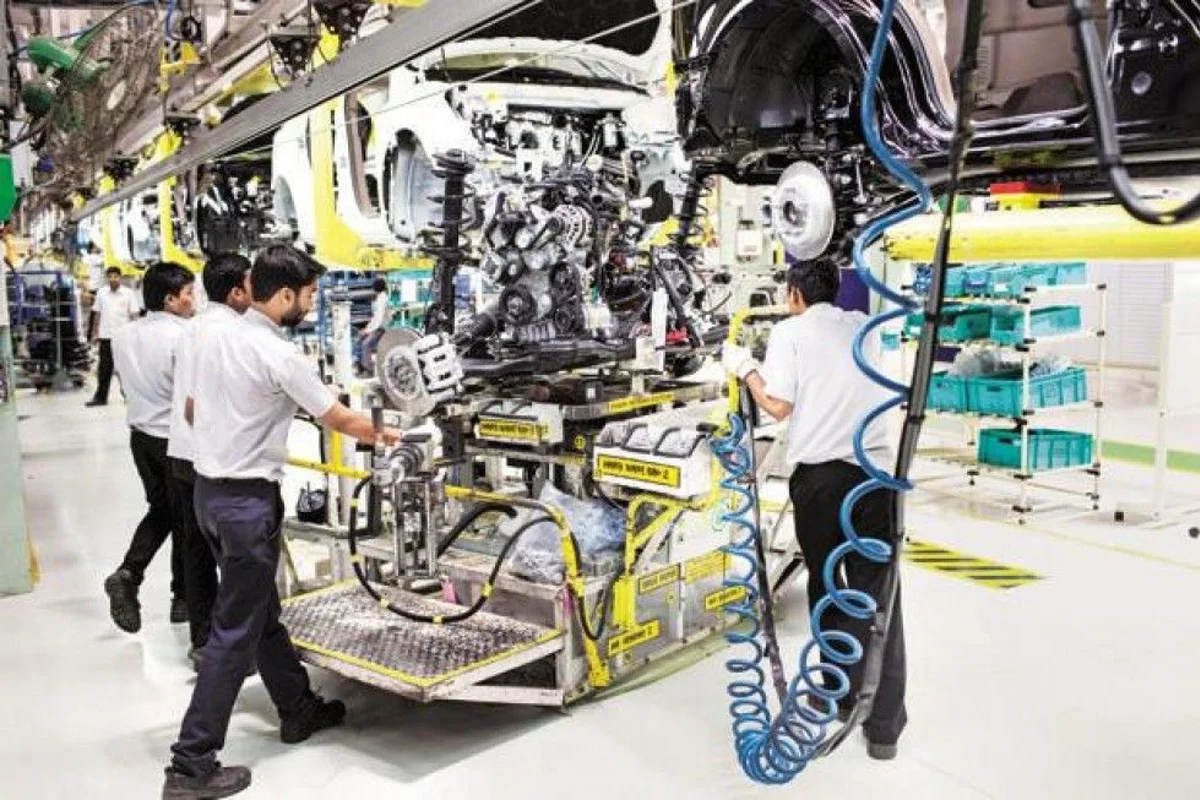
Amitabh Kant, CEO of the policy think tank NITI Aayog, has pointed out that upskilling the existing workforce in the Indian auto component sector would be an ideal way to ensure a smooth transition to electric vehicles.
As far as the technical advancements are concerned required for the adoption of electric mobility, the workers should be trained in new systems and technologies, said Mr Kant, while addressing the inaugural session of the 60th Annual Convention of the Automotive Component Manufacturers Association (ACMA).
He said for EVS with only 20 moving parts compared to 2,000 moving parts in ICE (Internal Combustion Engine) vehicles, the nature of jobs should change radically.
According to Kant, India has the potential to indigenise the complete value chain of electric mobility including electronics. So, “it is essential for reskilling the existing workforce for a smooth transition to EVs."
Apart from importing lithium, nickel, and cobalt, India can domestically add 81 per cent of the value of the battery, Kant pointed out, while adding that the related raw materials such as battery cell manufacturing and battery packaging can be easily done locally.
"We have done research which shows that raw materials actually make only 19% of the value of the battery. Except for these critical raw materials, everything else can be indigenised," Kant said.
He added the technologies required for battery manufacturing and packaging are readily available in India, which at the end will stimulate the localisation of electric vehicles value chain.

"The battery prices are slated to go below USD100 by 2025, thus making the cost of EVs at par with conventional vehicles. The total cost of ownership parity across all categories of vehicles has already been achieved," he added.
In a bid to scale up the entire electric mobility value chain, boosting manufacturing capabilities and improving technological competence of Tier-1 and small-scale suppliers would also be an absolute necessary, said Kant.
Note to readers: AlCircle brings two-day event for aluminium industry players. We look forward to meeting you virtually at “Global Aluminium Expo 2020”on October 6-7, 2020. For registration, visit www.alcircleevents.com
Limerick Lane Cellars launches a new premium wine brand in aluminium bottles
Next articleHCP acquires Hetian Packaging (Huai’an) Co., Ltd.
Grow with
AL Circle