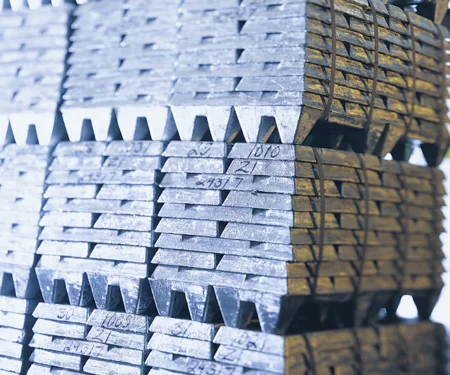
Indian aluminium stocks in focus as Qatalum halt sparks global supply concerns
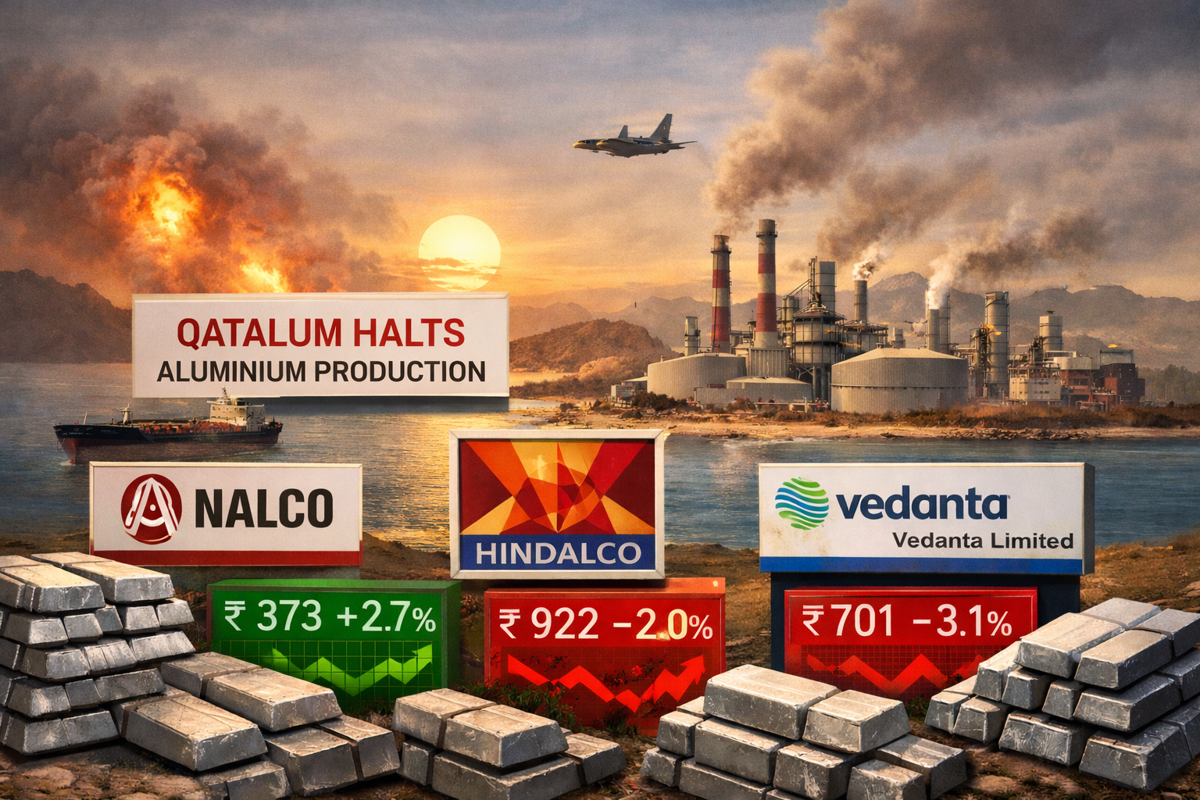
Shares of National Aluminium Company (NALCO), Hindalco Industries, and Vedanta Limited may attract attention on Wednesday, March 3, following the announcement that Qatalum has stopped aluminium production.
The suspension of production has created concerns about possible shortages in the global aluminium market. A fall in aluminium supply can create shortages in the market and push prices upward.
For the global aluminium value-chain 2026 outlook, book our exclusive report “Global ALuminium Industry Outlook 2026"
The Gulf Cooperation Council (GCC) region is an important aluminium-producing area. In 2025, GCC countries collectively produced around 6.5 million tonnes of aluminium, accounting for nearly 8 per cent of total global primary aluminium production. As a result, any disruption in this region can affect international supply and pricing trends.
Vedanta Limited share prices are down by 3.1 per cent (INR 701), Hindalco is at INR 922 (down by 2 per cent), while Nalco is at INR 373 (up by 2.7 per cent). Though prices can fall due to profit booking, broader market weakness and company-specific concerns like high debt, the Qatalum event creates a mixed impact. It can raise geopolitical and commodity market volatility, but may also reduce global aluminium supply, which could help Indian companies get higher profits.
Changes in international aluminium prices can directly affect the revenues, costs, and overall financial performance of Indian aluminium producers such as Nalco, Hindalco, and Vedanta. If aluminium prices remain firm due to supply concerns, these companies may experience significant market movements.
Don't miss out- Buyers are looking for your products on our B2B platform
The production halt occurs during a period of rising geopolitical tensions in West Asia. Recent air strikes by the United States and Israel on Iran have intensified regional instability. Reports indicate that Iran has responded with missile and drone attacks on neighbouring Arab states and has disrupted shipping through the Strait of Hormuz. Since this route is vital for global energy trade, continued tensions may further affect commodity markets, including aluminium.

Note: The image used in this article is generated with an AI tool and does not depict any real-time moment
Alcoa appoints Emily Olson as Executive VP and Chief External Affairs Officer
Next articleJNARDDC advances aluminium and metallurgical technologies to reduce India’s import dependence
Grow with
AL Circle