India replicates solar sector strategy for its battery ecosystem, approves list of battery manufacturers
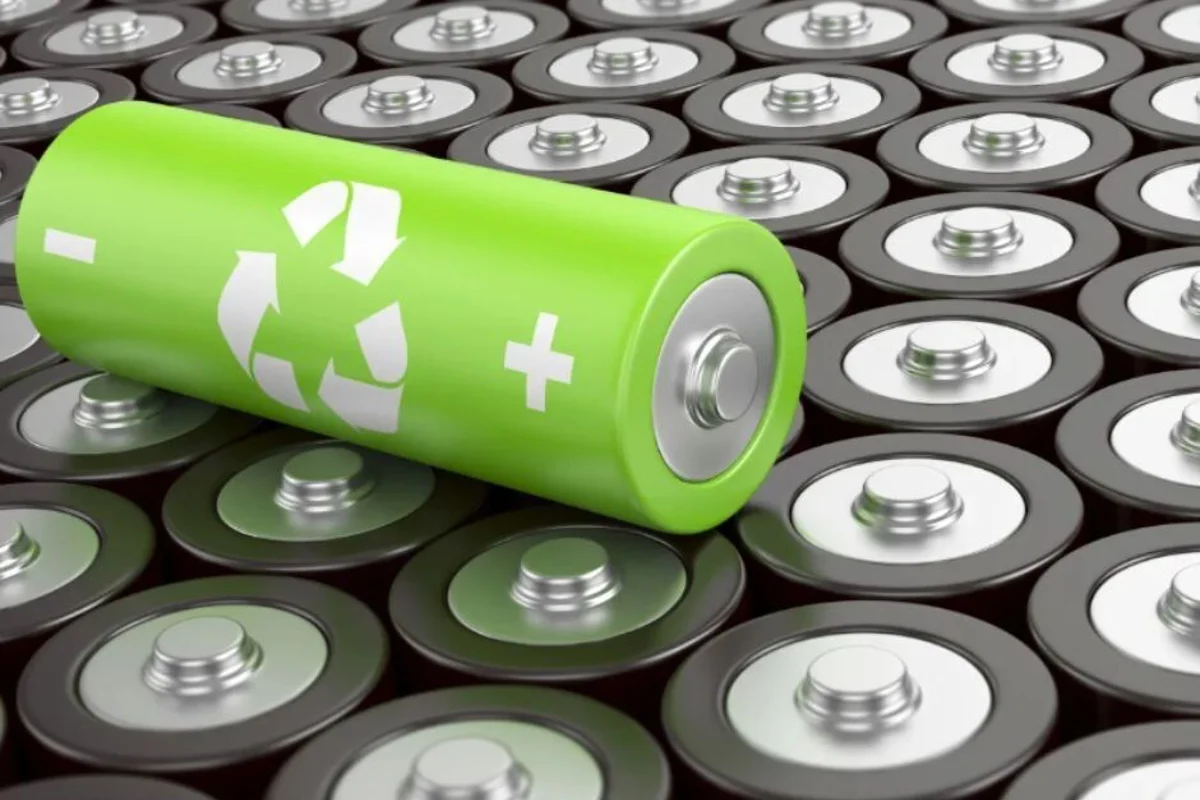
Taken from canva
India has launched an Approved List of Battery Manufacturers (ALBM) with the aim to establish a national battery ecosystem. The goal is to boost domestic battery production so that reliance on China can be reduced. In addition to promoting the goal of energy storage projects supported by government funding, ALBM will also encourage the use of locally manufactured batteries and strengthen the national energy self-reliance and industrial capabilities.
This new initiative follows the existing solar sector strategy, where approved vendor lists help in ensuring stable demand for domestic producers. With China accounting for nearly 85 per cent of global battery cell manufacturing and a dominant share in critical mineral processing, India’s strategy aims to reduce external dependence.
For the global aluminium value-chain 2026 outlook, book our exclusive report “Global ALuminium Industry Outlook 2026"
Long-term roadmap under Battery Vision 2047
The ALBM is a critical component in supporting the 'India Battery Vision 2047' and encompasses the entire battery value chain from raw material sourcing through to battery recycling. The initiative aims to establish 47GW of battery storage capacity, which will require investments of roughly USD 38 billion and aims to achieve almost 3TWh of battery storage capacity by 2047.
Globally, battery storage systems will grow from a value of approximately USD 50.81 billion in 2025 to USD 105.96 billion in 2030. The total anticipated demand for lithium-ion batteries is expected to reach around 4,700 GWh by the end of 2030, with an anticipated need for 120–150 new manufacturing plants worldwide. Conversely, India has to contend with the established companies and countries (e.g., China, South Korea, and Japan) that compete globally and are already well-established in terms of supply chains for these products, have significant experience with battery technology development, as well as having the potential to benefit from the economies of scale which exist in their respective markets.
India still has a big problem with its reliance on imported important minerals like lithium, cobalt, and nickel. This puts the country at risk of price changes and geopolitical problems, especially since China is a strong player in mineral processing. India has set up Khanij Bidesh India Limited (KABIL) to protect its mineral assets abroad and make supply agreements stronger in response.
Don't miss out- Buyers are looking for your products on our B2B platform
The manufacturing sector is still very much in a stage of development, although the central government initiated the Advanced Chemistry Cell (ACC) Production Linked Incentive (PLI) program, with a total cost of INR 18,100 crore (USD 2.17 billion), for the creation of 50 GWh of ACC capacity, by the end of 2025, only completed 2.8 per cent of that target to date, and there are delays for many of the projects with formal approvals. As of this date, none of the manufacturers has claimed their PLI incentives, which suggests that the manufacturers are having trouble meeting the requisite localisation and value-added requirements.
Lithium iron phosphate (LFP) and lithium manganese oxide (LMO) batteries are two alternatives to lithium-ion that could offer benefits with respect to pricing and safety. Long-term performance will be dependent on the speed of implementation, improved local technology integration, and continued investments across the entire supply chain.
Must read: Key industry individuals share their thoughts on the trending topics
Brazil links rare earth access to domestic processing as US-China rivalry intensifies
Next articleNBS: China's power output rises 1.4% YoY in March, with hydropower leading growth
Grow with
AL Circle