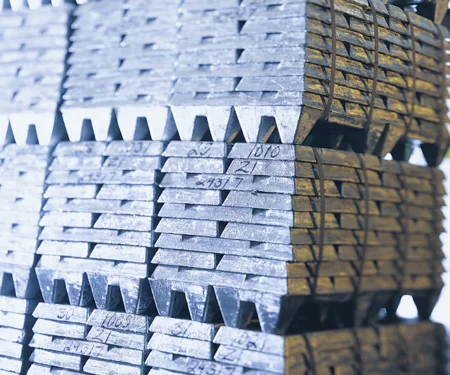
India extends GHG emission reduction norms to four more industries, including secondary aluminium
The India Government has reportedly brought four additional industrial sectors under greenhouse gas (GHG) emission reduction norms, and those sectors include petroleum refinery, petrochemicals, textiles, and secondary aluminium. This move is part of the efforts to strengthen climate action across energy and resource-intensive industries.
Environment Ministry officials said on Tuesday, January 20, that industrial units in these sectors must reduce emissions by a stipulated amount after they are included in the country’s GHG emissions intensity reduction regime. The reductions are expected to be implemented in accordance with the Greenhouse Gases (GHG) Emission Intensity Target Rules, 2025.
The inclusion of the four sectors comes months after the ministry brought traditionally high-emission industries such as aluminium, cement, chlor alkali and pulp and paper under the ambit of the reduction framework.
For 2026 aluminium market outlook, download our report TOC: Global Aluminium Industry Outlook 2026
“As per the new norms, it has been made mandatory for as many as 208 industrial units spread across the country to reduce GHG emissions per unit of product (emission intensity), beginning 2025-26. The four more sectors added to the regime will help meet specific reduction targets by 2026-27 compared to a 2023-24 baseline,” a senior official mentioned. The official further stated that these industrial entities will have to pay a penalty for non-compliance.
“The 208 industrial units include 173 textile units across sub-sectors such as spinning, processing, fibre and composite, besides petroleum refineries, petrochemical units and three secondary aluminium units,” the official said.
High-emitting sectors are required to reduce greenhouse gas emissions per unit of product rather than overall emissions under a targeted GHG emissions intensity reduction system, like India's Carbon Credit Trading Scheme (CCTS). The framework sets sector-specific targets using a baseline year, which is presently 2023–2024. These targets usually ask for reductions of 3- 7 per cent by 2026-2027.
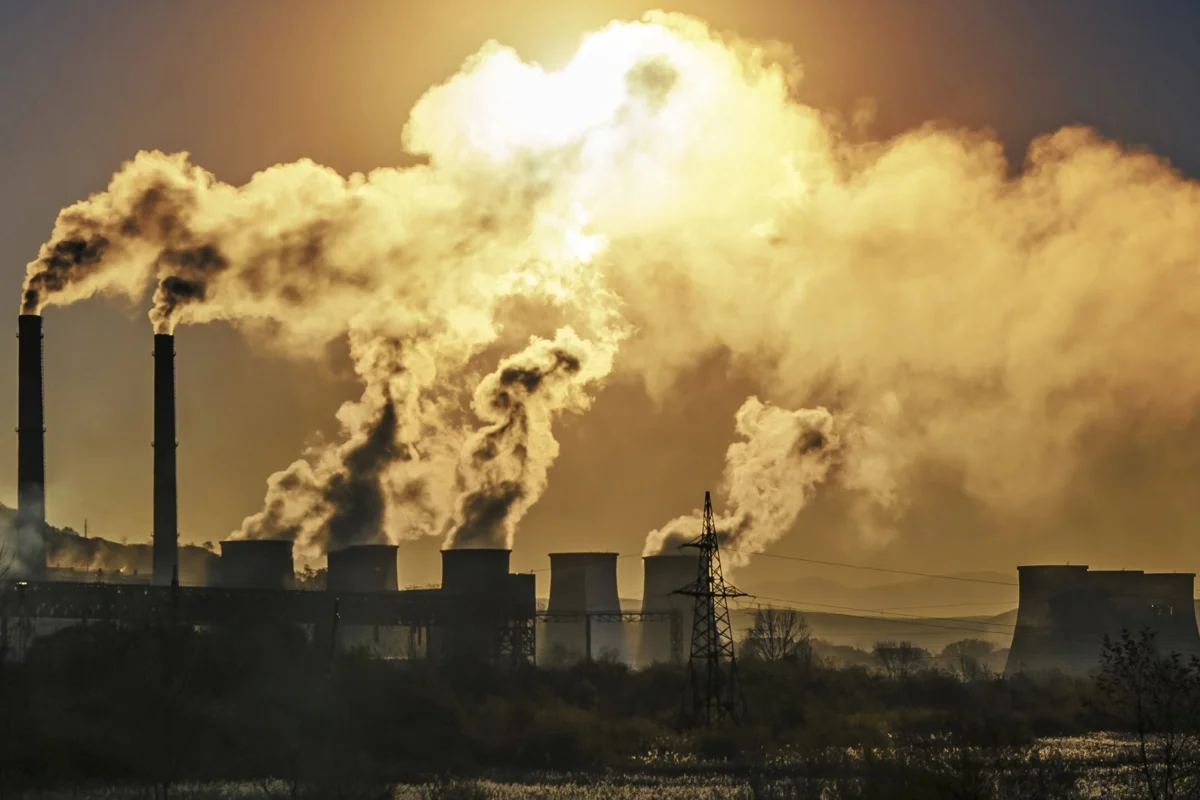
*Image source: Live Science
To know sustainability developments across the aluminium value chain, read our e-Magazine: Sustainability & Recycling: Aluminium's Dual Commitment

ASI certifies Nemak Nanjing Automotive Components Co., Ltd. against Performance Standard V3.1
Next articleNITI Aayog charts India’s decarbonisation path for aluminium, cement and MSMEs
Grow with
AL Circle