Hydro faces aluminium supply disruption with another force majeure declaration as Qatalum terminates agreement
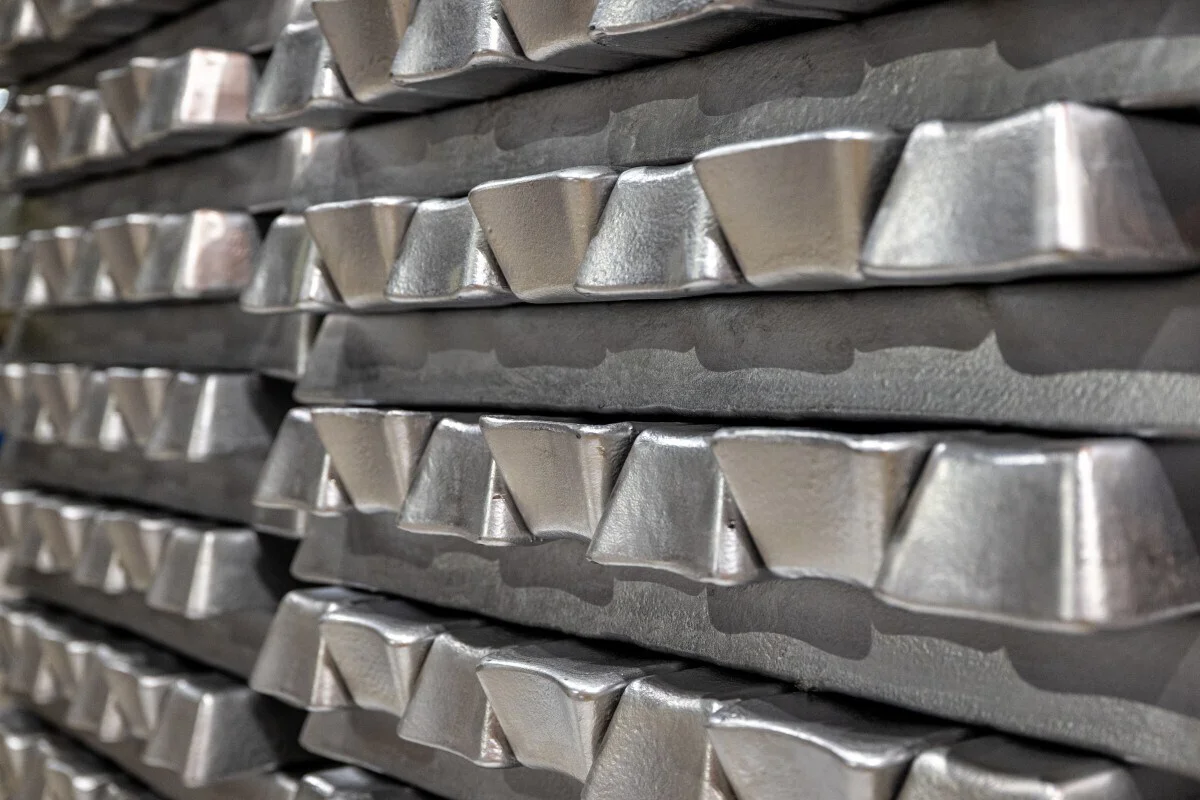
This image has been sourced from http://hydro.com/
Norsk Hydro has been hit by a second aluminium supply crisis leading to yet another force majeure in just three months after its Qatar joint venture, Qatalum, unexpectedly terminated a long-standing marketing agreement with the Norwegian producer, raising fresh concerns over the company's ability to meet customer commitments.
The latest force majeure declaration follows an earlier notice issued in March 2026, when conflict-related disruptions in the Middle East interrupted natural gas supplies to Qatalum, forcing the smelter to initiate a controlled shutdown. Although the plant later secured sufficient gas supplies to maintain operations at around 60 per cent of capacity, Hydro confirmed that the original force majeure remains in effect.
Qatalum, one of the Middle East's largest aluminium smelters, has an annual production capacity of 648,000 tonnes and is jointly owned by Hydro and Qatar Aluminum Manufacturing Company (QAMCO).The new disruption stems from a commercial dispute between the joint-venture partners along with earlier operational challenges from fuel hiatus. According to a notice reviewed by Reuters, Qatalum informed Hydro that it was terminating the agreement under which Hydro markets and sells Qatalum's aluminium products.
"Qatalum has notified Hydro that it terminated the agreement under which Hydro markets and sells Qatalum metal," the notice stated.
For forward-thinking aluminium market insights amidst supply chain and price challenges, read "ALuminium LeaderSpeak 2026"
The notice further added: "Despite Hydro's efforts to make Qatalum withdraw its notice of termination, Qatalum has refused to do so and Qatalum has informed Hydro that it will not deliver metal under the relevant agreements."
Hydro has disputed Qatalum's right to terminate the arrangement and warned customers that it may be unable to fulfil contractual delivery obligations even if operating conditions in the region improve. The company has not been able to estimate either the duration of the disruption or its full impact on customers and downstream supply chains.
The development adds another layer of uncertainty to a global aluminium market already dealing with geopolitical instability and supply-chain disruptions. The March curtailment at Qatalum had highlighted the vulnerability of Gulf aluminium supply after regional tensions affected energy infrastructure and shipping routes. At the time, Hydro was forced to begin a controlled reduction of output before eventually stabilising production at roughly 60 per cent capacity.
Neither Qatalum nor QAMCO has publicly explained the reasons behind the termination of the marketing agreement. As a result, uncertainty remains over the future commercial relationship between the joint-venture partners and the eventual impact on global aluminium supply.

Vietnam's first aluminium smelter, Dak Nong, achieves first power delivery milestone
Next articleLME aluminium prices rise on June 12 as stocks continue to decline
Grow with
AL Circle