How high aluminium prices and energy costs are reshaping Europe's aluminium market
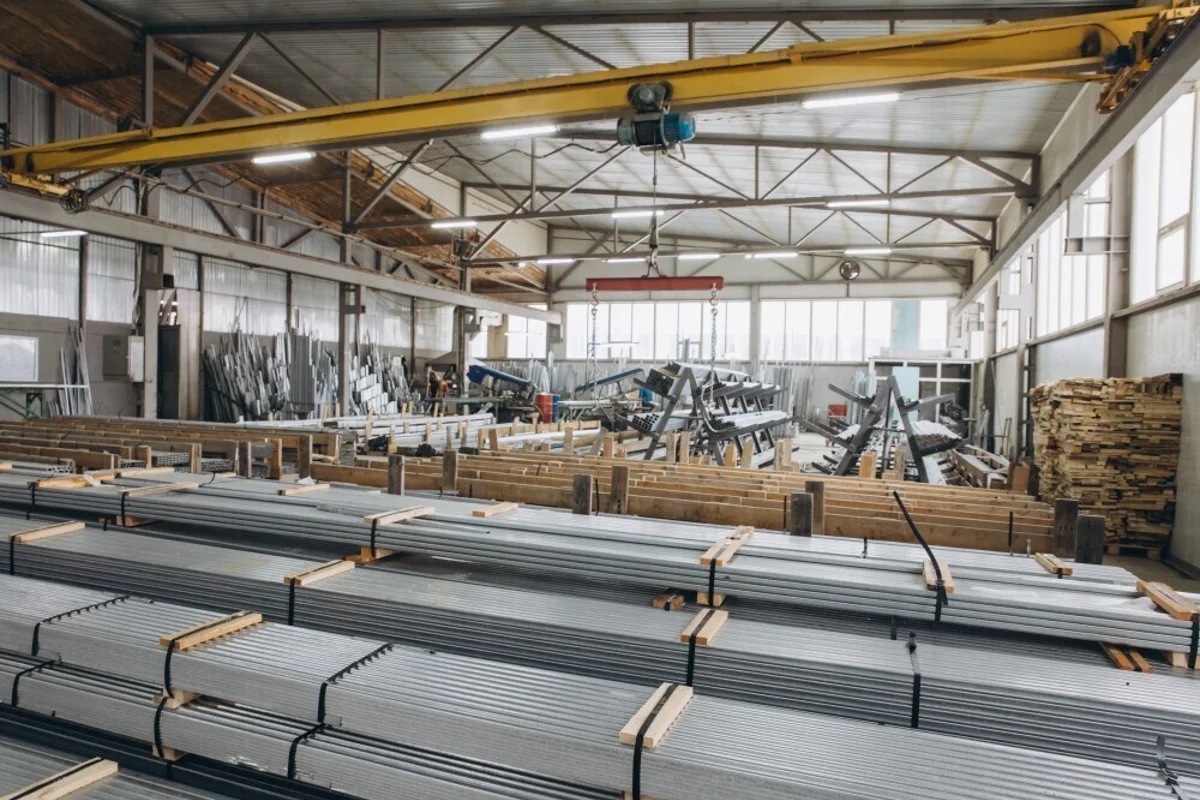
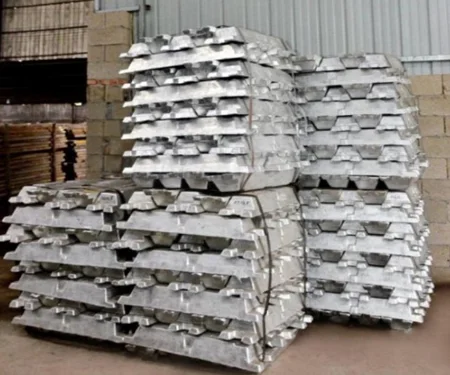
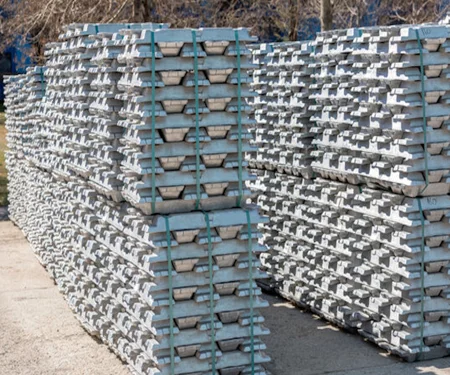
Stock image for referential purposes only
Europe's aluminium market is facing fresh pressure as higher energy costs and tightening global supply combine to create a more challenging environment for producers and consumers alike. The disruption to shipping through the Strait of Hormuz has raised concerns over energy security, while reduced aluminium availability outside China has kept physical markets tight and premiums elevated.
The Strait of Hormuz is one of the world's most important trade routes for oil and liquefied natural gas (LNG). Any disruption to traffic through the waterway quickly feeds into global energy markets, and Europe is already feeling the effects through higher gas and electricity prices. For aluminium smelters, where power is one of the largest operating costs, that creates an additional burden at a time when downstream demand remains weak.
At the same time, the pressure on Europe reflects a broader trend across aluminium markets outside China. According to recent market analysis, the ex-China market remains fundamentally tight, supported by supply disruptions in the Middle East, constrained exports from the Gulf region and low deliverable inventories. Although ceasefire headlines have occasionally triggered short-term price pullbacks, the underlying supply picture remains supportive.
Aluminium prices have held near multi-year highs despite bouts of profit-taking. London Metal Exchange (LME) aluminium rose from around USD 3,480 per tonne at the beginning of May to approximately USD 3,675 per tonne by the end of the month. By June 8, benchmark prices were still around USD 3,595 per tonne, roughly 44 per cent higher than a year earlier.
According to Fastmarkets analyst Andy Farida, energy prices could remain elevated if disruption to shipping through the Strait of Hormuz persists, particularly as Europe enters its summer gas storage and energy restocking season.
The effect is already being felt across the European aluminium industry. Germany's recycled aluminium production declined by 3 per cent during the first quarter of 2026, with market participants citing high energy bills, squeezed margins and weaker demand from downstream sectors.
Several European smelters have reduced output or suspended operations over the past few years as energy costs surged. Among the facilities affected are Aldel in the Netherlands, Uniprom's KAP smelter in Montenegro and Speira's Rheinwerk plant in Germany.
Alcoa's San Ciprián smelter in Spain, which curtailed production during the 2021 energy crisis, has since restarted and is now understood to be operating close to full capacity after securing electricity supply agreements through 2027.
Explore: The most comprehensive and forward-looking industry-focused report – Global Bauxite & Alumina Market Forecast to 2036: Supply–Demand, Trade Flows & Price Outlook
Middle East disruptions add to supply concerns
Europe's energy challenges are being compounded by tightening aluminium supply from overseas. The Middle East normally accounts for around 20 per cent of Europe's aluminium imports, but production disruptions across the region have reduced the amount of metal available to the market.
Market sources said Aluminium Bahrain (Alba) was operating at around half capacity in late April, while Emirates Global Aluminium (EGA) declared force majeure on parts of its contractual deliveries earlier this year.
Norwegian aluminium producer Hydro also reported that Qatalum, the Qatari smelter in which it owns a 50 per cent stake, was operating at roughly 60 per cent capacity because of energy shortages. In southern Africa, South32's Mozal smelter in Mozambique has also reported lower output after parts of the operation were placed on care and maintenance.
Fastmarkets estimates that aluminium production from affected smelters could fall to around 3.45 million tonnes in 2026, compared with 6.15 million tonnes a year earlier.
Premiums rise as trade flows are redrawn
The tighter supply environment has pushed physical premiums sharply higher across Europe. Aluminium billet premiums have roughly doubled since the start of the Middle East conflict, returning to levels last seen during the energy crisis of 2022.
Fastmarkets assessed aluminium billet premiums in North Germany at USD 1,175-1,250 per tonne at the end of May, up from USD 560-600 per tonne in late February. Rotterdam aluminium premiums also increased significantly over the same period.
Analysts say the changes reflect a broader shift in global trade flows. With Gulf smelters producing less metal and exports through the Strait of Hormuz facing disruption, buyers outside China have increasingly looked elsewhere to secure supply. Chinese exports of primary aluminium and semi-fabricated products have become a more important balancing mechanism for the ex-China market, although tariffs and other trade barriers continue to limit the amount of metal that can reach Western markets directly.
This divergence is also visible in regional price relationships. The Shanghai Futures Exchange (SHFE) to LME ratio declined from 7.03 in April to 6.66 in May, highlighting the stronger performance of international prices relative to the domestic Chinese market.
Spot premiums have continued to move higher across key importing regions. Japanese premiums increased through May, while Europe and the United States also recorded further gains, reflecting the growing shortage of seaborne aluminium outside China. According to Shanghai Metals Market (SMM), the market is seeing "accelerating export transmission", with Chinese exports playing a greater role in balancing shortages elsewhere even as domestic inventories remain relatively comfortable.
China strengthens its grip on raw materials
While Europe grapples with expensive energy and tighter refined metal supply, China continues to secure the raw materials needed to sustain aluminium production growth.
According to market data, Guinea exported 60.9 million tonnes of bauxite during the first quarter of 2026, up from 48.6 million tonnes a year earlier, with more than 70 per cent of shipments destined for China. In March alone, China imported 18.12 million tonnes of Guinean bauxite.
The figures underline how China is reinforcing its upstream supply chain even as markets outside the country contend with limited availability of refined aluminium. Strong access to bauxite and relatively healthier domestic inventories have left Chinese prices less supported than international markets, creating a widening gap between conditions inside and outside China.
Weak demand remains a limiting factor
Despite tighter supply and sharply higher premiums, demand across Europe remains subdued. Market participants say many consumers are still buying cautiously because of uncertain economic conditions and high financing costs.
Fastmarkets analyst James Moore said a prolonged period of elevated energy prices could place additional pressure on manufacturing activity, as companies contend with higher fuel, borrowing and raw material costs. Some traders also believe that the growing backwardation in the aluminium market could encourage more inventories to be released, helping to ease shortages over time.
For now, however, the dominant theme remains physical tightness outside China. Europe's aluminium market is being squeezed from both sides: higher energy costs are increasing production expenses, while disrupted Middle East supply and constrained global trade flows are limiting metal availability. As long as those conditions persist, prices and regional premiums are likely to remain well supported.
Explore our e-magazine ALuminium LeaderSpeak 2026 for the latest industry insights and trends

Against the tariff odds, India’s aluminium exports to the US continue winning streak
Next articleIndia: The next big Asian aluminium hub
Grow with
AL Circle