How ceramic welding is reducing furnace downtime in aluminium production: Fosbel’s approach
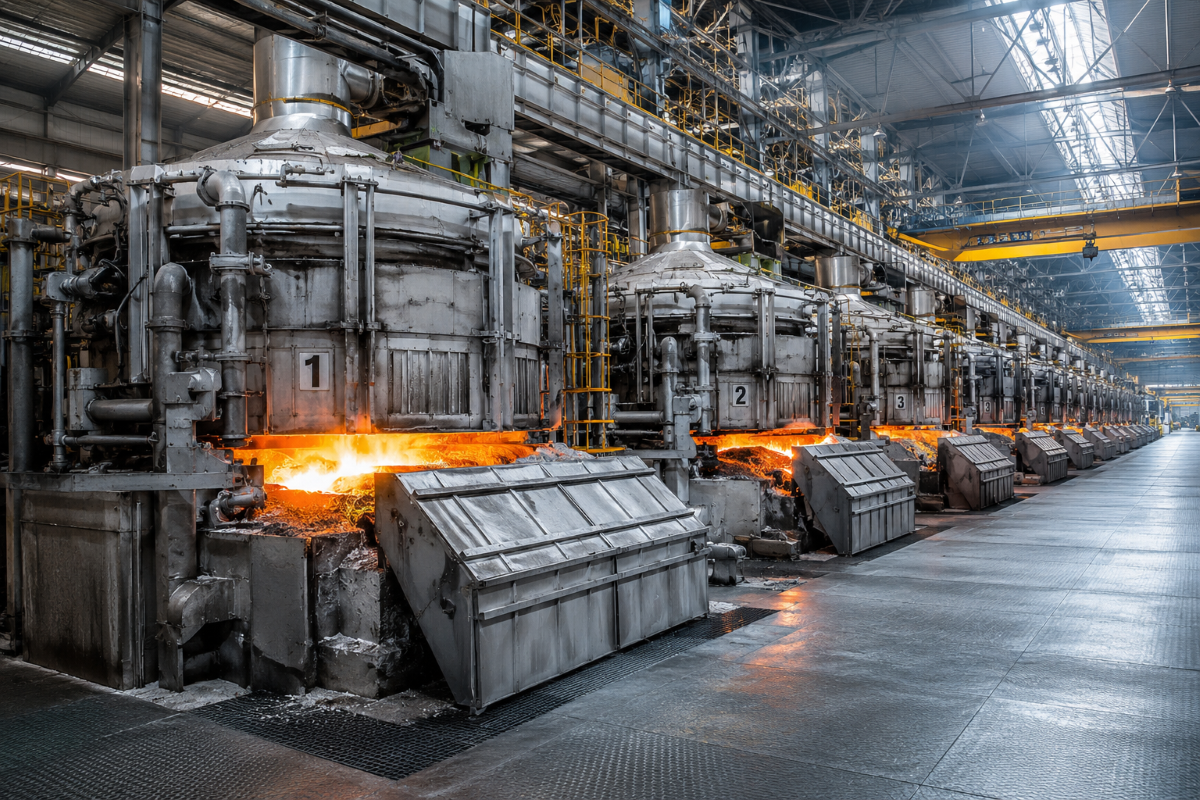
The image used in this article is generated with an AI tool and does not depict any real-time moment
Keeping aluminium furnaces running efficiently often comes down to a component that rarely attracts attention: the refractory lining. These linings protect furnace structures from extreme temperatures and harsh operating conditions, but they gradually wear over time, particularly in areas such as metal lines, roofs and side walls. Repairing this damage has traditionally required furnace shutdowns, resulting in production losses and maintenance costs.
Technologies that allow repairs to be carried out while furnaces remain operational have therefore gained importance across the aluminium industry. One such solution is Ceramic Welding, developed by Fosbel, a Cleveland, Ohio-headquartered furnace maintenance and refractory repair company with operations in the United States, Germany, Japan, India, Brazil and South Africa.
The process enables new refractory material to be fused directly onto existing furnace linings through an exothermic reaction while the furnace continues operating at temperatures above 1300°F. Fosbel has developed ceramic welding materials for 60 per cent, 70 per cent and 80 per cent alumina refractories, which are widely used in aluminium furnace applications. The technology is used to restore worn sections and reinforce refractory linings without interrupting production.
According to the company, the process can be applied both as a repair method and as a preventive maintenance measure to extend furnace campaign life. The resulting bond between the repair material and the existing refractory is designed to provide long-term durability in high-temperature operating environments.
Explore: The most comprehensive and forward-looking industry-focused report – Global Bauxite & Alumina Market Forecast to 2036: Supply–Demand, Trade Flows & Price Outlook
Fosbel has also introduced a number of developments aimed at improving the repair process. These include Nano-Tec™ ceramic welding powders, which the company says increase yield and reduce rebound during application, allowing more material to remain on the repair surface. The powders are also intended to shorten repair times and reduce repair costs.
Additional technologies such as thermal cleaning systems and the Supertorch are used to prepare refractory surfaces before welding by removing contamination that could affect bonding. The company has also developed customised process machines and application lances for different furnace configurations, enabling repairs to be adapted to specific operating conditions.
As aluminium producers continue to focus on furnace reliability and operational efficiency, hot-repair technologies are increasingly being used to extend refractory life while reducing the downtime typically associated with furnace maintenance.
Explore our e-magazine ALuminium LeaderSpeak 2026 for the latest industry insights and trends.

China's aluminium wire exports soar 222.67% in May as exporters capitalise on tax incentives
Next articleAutomation, plant design & material flow leads to more profit in AL extrusion: The Cometal stance
Grow with
AL Circle