Honda announces plans to set up lithium-ion battery manufacturing facility in India
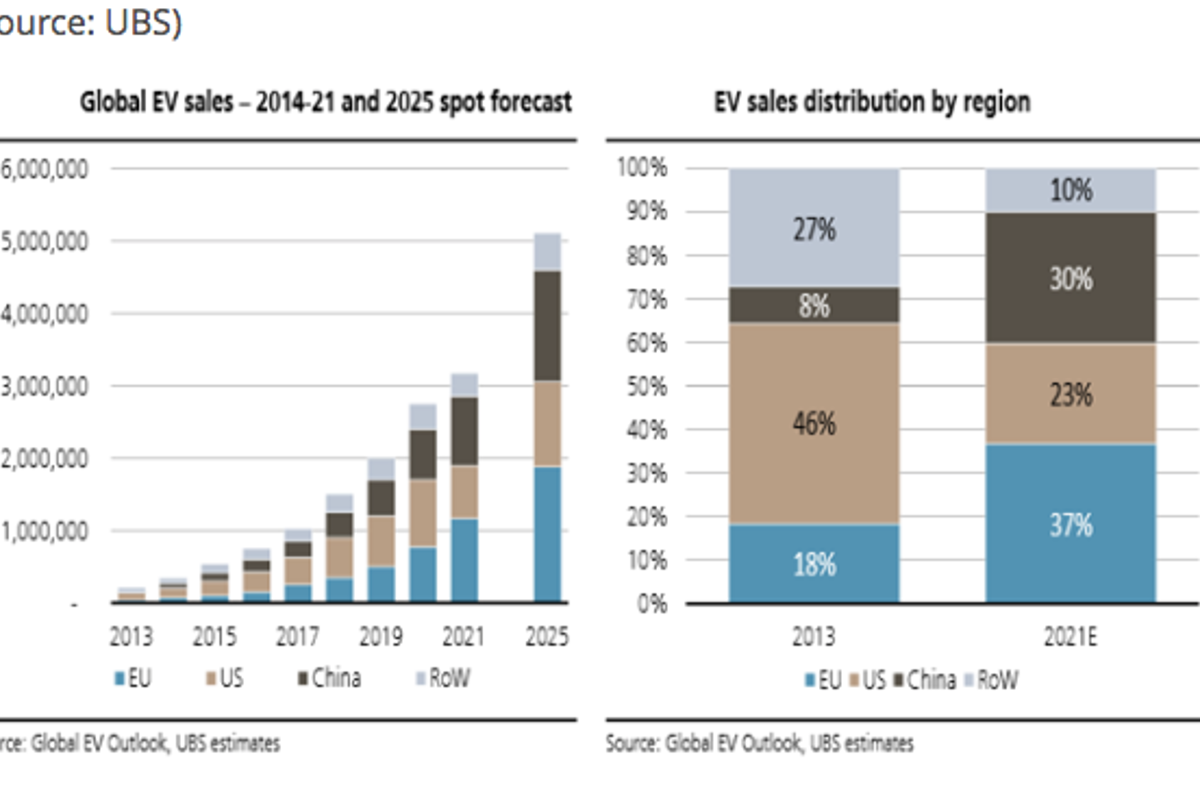
In the line of electromobility campaign in India, another Japanese carmaker Honda has recently announced plans to set up a lithium-ion battery manufacturing facility in India. Honda Cars India, the Indian arm of the Japanese automotive giant, is currently researching on the type of electric vehicles that would be best suitable for Indian roads.
According to an announcement by Honda earlier this year, electric vehicles will account for up to 65% of the company’s overall sales by 2030. Out of the electric vehicles, 15% would be pure electric and the rest would be hybrid, plug-in hybrid and fuel-cell powered cars.
Commenting on the strategy, Honda Cars India Senior Vice President Jnaneswar Sen said, “Recently, on the global front, Honda has tied up with Hitachi for electric motors and we will derive benefits from all those developments. Our India strategy has to align with Honda’s global strategy. We have been working on the electric vehicle strategy for quite some time now.”
In another development, Honda and Nissan have joined hands to build all solid-state batteries for electric vehicles. The development came after BMW inked a JV pact with US-based solid-state rechargeable battery manufacturer Solid Power to develop the next generation of EV batteries.
According to a government statement in March 2017, citing Power Minister Piyush Goyal, Indian government would take measures to ensure that by 2030 almost all vehicles in the country are powered by electricity in order to cut oil imports and pollution.

This brings about positive prospect for the aluminium producers and makers of aluminium parts and automotive body sheet in India. Aluminium is one of the most preferred metals to be used in electric cars for lightweighting and cosmetic benefits. In the line with Modi-led government’s mission to switch to all-electric cars by 2030, Honda is reported to be in the process of adopting an EV strategy for next 15 years.
Eleven cities across India to get of electric public transport soon
Next articleGermany’s aluminium stranded wire import grows in last three years
Grow with
AL Circle