Guinea’s EGA licence revocation - 2025’s most impactful move in global bauxite
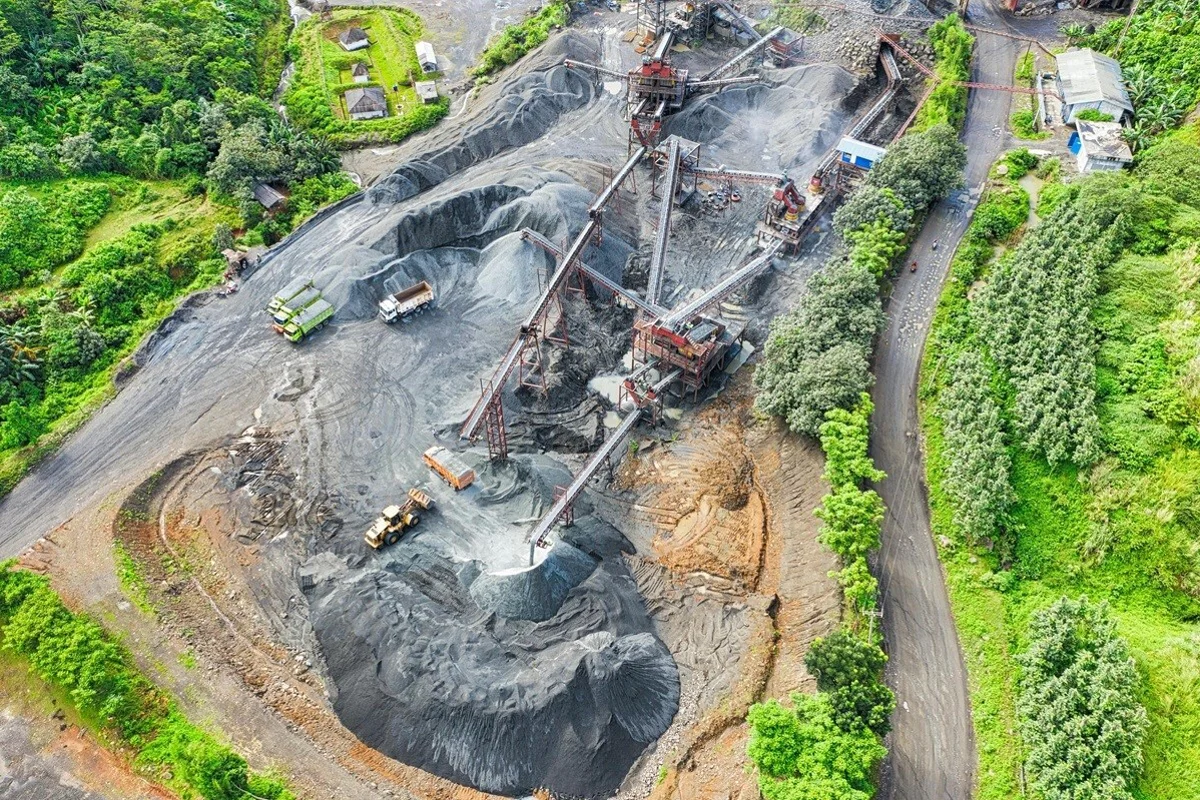
The bauxite industry this year has witnessed the biggest and most impactful development and that is the removal of the mining licence of Guinea Alumina Corporation (GAC), a subsidiary of Emirates Global Aluminium (EGA), in Guinea. The decision, formalised on August 6, 2025, has placed more than 2,000 direct and indirect jobs at risk and is expected to disrupt global bauxite supply chains. The move reflects Guinea’s firmer stance on controlling and managing its mineral resources.
A strategic asset under pressure
Since operations began in 2019, GAC has been one of Guinea’s largest bauxite producers, operating across a 690 km² concession in the Boké region. The mine holds hundreds of millions of tonnes of high-grade bauxite, supplying refineries and aluminium producers worldwide. Emirates Mining exports millions of tonnes of bauxite annually, making GAC an important part of EGA’s global supply network.
Explore- Most accurate data to drive business decisions with 50+ reports across the value chain
EGA invested heavily in transport corridors, port facilities, and processing infrastructure, positioning Guinea as a central pillar in its international aluminium value chain.
Beyond exports, GAC became a major local employer. Thousands of Guineans have worked directly at the mine, while contractors, transporters, and small businesses in Boké depended on its operations. Schools, clinics, and community projects funded by GAC helped anchor regional development, making the licence withdrawal far more than a corporate setback,it is a social and economic shock for local communities.
Why the licence was revoked
In May 2025, Guinea’s authorities initiated proceedings to revoke GAC’s mining licence, citing non-compliance with the country’s mining code, particularly the requirement to advance local value addition through the construction of an alumina refinery. On August 6, 2025, the government formally withdrew the licence and transferred the concession to Nimba Mining, a state-backed entity, without compensation.
Officials argue the decision enforces national law. Critics, however, see it as part of a broader recalibration of Guinea’s mining policy, aimed at reclaiming greater economic value from its vast natural resources.
EGA pushes back
EGA has responded with strong condemnation, stating that the revocation is illegal and violates contractual and investor protections. The company warned that such actions risk undermining transparency and investor confidence, not only in Guinea but across resource-rich African markets.
“Thousands of livelihoods are affected,” EGA has said, confirming that international arbitration proceedings are underway to seek redress for lost assets and investments.
Economic and social impact
Operations at GAC were halted following the licence withdrawal, leading to over 2,000 workers and contractors becoming redundant. The closure has rippled through the Boké region, where mining activity underpinned local commerce and employment.
Guinea’s economy is heavily dependent on mining revenues and exports, and the sudden revocation has intensified concerns about investment risk in a country that relies on foreign capital to develop its vast mineral resources.
Resource nationalism takes centre stage
Under President Mamadi Doumbouya, Guinea has accelerated a policy of resource nationalism, prioritising domestic control and local value creation. Mining companies are now expected to process more minerals domestically, invest in refineries, or partner with local firms, with failure to comply potentially leading to licence cancellation.
Several foreign-held permits and concessions have faced similar scrutiny, indicating a sector-wide policy shift rather than an isolated enforcement action.
Global aluminium market implications
Guinea supplies over half of the world’s seaborne bauxite, making any disruption globally significant. While EGA’s share alone may not dominate the market, the loss of a large, well-established concession adds pressure to an already tight aluminium supply environment, potentially pushing prices higher.
What happens next
Negotiations between EGA and the Guinean government are reportedly ongoing. One option under discussion is for EGA to source bauxite from state-owned producers rather than operating its own mine, though outcomes remain uncertain.
This episode is a test case for investment risk, legal certainty, and resource governance. It is not just a Guinea story, but a broader lesson in geopolitics, investor confidence, and the future of global mining partnerships.
Must read: Key industry individuals share their thoughts on the trending topics

OMC steps up its focus on sustainable mining during the Koraput visit
Next articleGuinea’s mining reset sparks high-stakes $28.9 billion arbitration case
Grow with
AL Circle





















