Bauxite-rich Guinea: national ambition under local strain
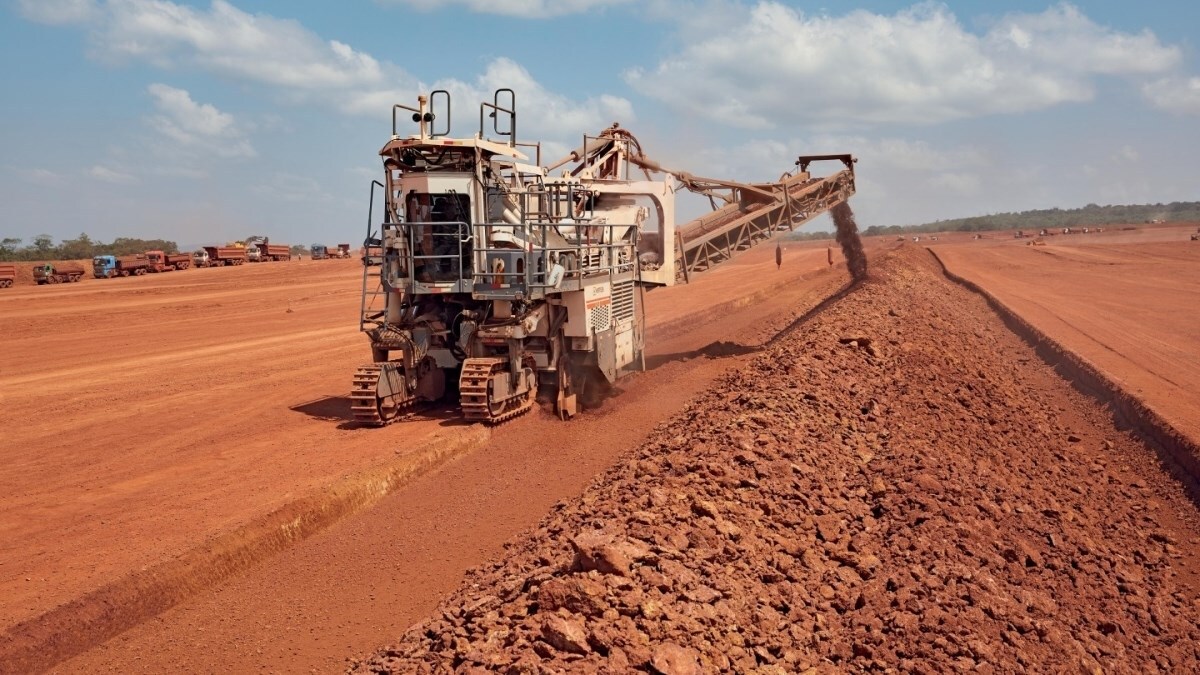
Guinea holds the largest bauxite reserves in the world, a crucial raw material for the global aluminium industry, which is gaining importance for global clean energy efforts. But, villages near mining operations, like Koussadji, are vocalising about the rising air and water pollution released by the activities of the firms, such as India-based Ashapura Minechem.
The residents of these nearby villages, including Tala Oury Sow, a farmer of rice, cassava and groundnuts, have shown an increased frustration due to the deteriorating living conditions within the area. There are many villagers who are highly reliant on the murky river water for everyday household needs and are unable to make extensive use and hold the mining activities responsible.
Also read: Guinea's increased bauxite exports to China lead to oversupply and an alumina price squeeze
Irrespective of the sector with high economic yield, the villagers are concerned about the least benefit they are receiving. This is mainly because of the pollution that they are facing, causing real harm to both their health and agricultural output.
The momentum for a greater domestic control over the mineral resources within Africa is steadily rising despite multiple obstacles remaining intact. During the recent COP30 UN climate talks, the issue of asserting a smooth and fair transition for regions that are rich in minerals is being overlooked.
On the contrary, the Guinean government is currently taking measures to encourage bauxite processing within the country, which is aimed at transforming these vital mineral resources into lasting, sustainable benefits for the nation.
Explore- Most accurate data to drive business decisions with 50+ reports across the value chain
_0_0.png)
Groundwater issues near Worsley bauxite mines reported – residents question South32
Next articleBauxite drives on the capesize demand, keeps the export ship afloat
Grow with
AL Circle