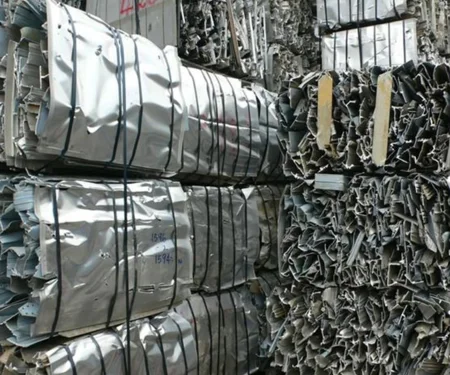
Guinea-Conakry limits its 2026 bauxite exports despite a 200 million tonne forecast
中文翻译附于新闻末尾,敬请继续阅读。
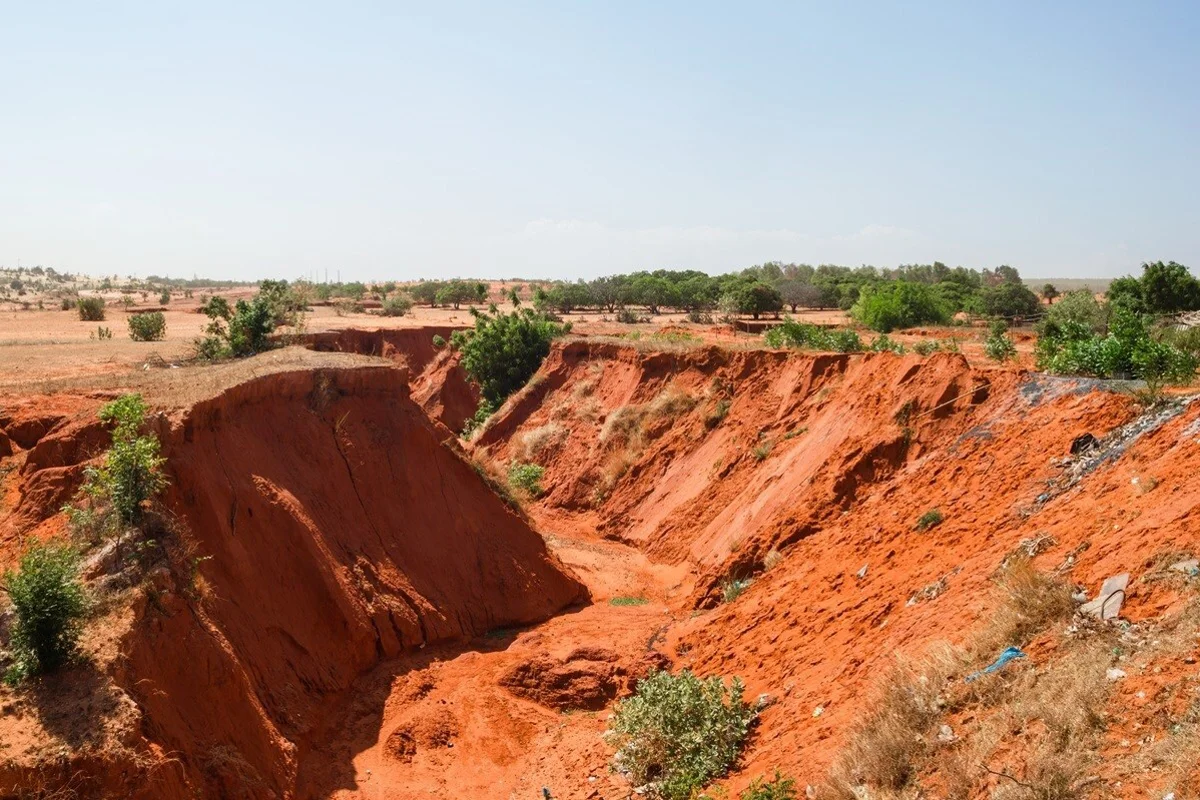
Guinea-Conakry is set to reduce its bauxite export volumes, starting from April 2026, to support prices and protect the smaller producers from collapsing due to volatile margins. This move comes due to the weak Chinese demand and higher freight rates because of the Middle East conflict squeezing the world’s top supplier.
Guinea-Conakry exported 183 million tonnes in 2025, which is up 25 per cent year over year, and shipments had been expected to reach 200 million tonnes in 2026, but due to the market crash, prices have fallen 25 per cent to 35 per cent from 2025 highs, while about 70 per cent of exports still head to the Chinese grounds.
For the global aluminium value-chain 2026 outlook, book our exclusive report “Global ALuminium Industry Outlook 2026"
Guinea-Conakry supplies more than 40 per cent of global bauxite and holds the largest reserves in the world. The aluminium chain is completely dependent on it. This level of dominance has created a massive export boom, with China engrossing 74 per cent of Guinea’s bauxite shipment. But this hasn’t protected the sector from market volatility at all.
Although aluminium above USD 3,000 per tonne has partially compensated royalty revenue, lower bauxite prices are already impacting business tax receipts.
In 2022, the government urged the miners to build processing plants locally for more of a push towards in-country value addition. The state wants five to six alumina refineries in place by 2030, with 7 million tonnes of annual capacity. Guinea-Conakry signed its first refinery agreement with SPIC for completion by 2027, and they are also talking with mining companies like Chinalco, Alteo, Compagnie des Bauxites de Guinee, and Alcoa. Also read: Guinea and EGA close a deal to resolve bauxite supply disruption
This move from Guinea-Conakry resembles a trend among African countries to reclaim control over their natural resources, especially in this era where important miners attract the attention of major global powers like China and the US.
Don’t miss out- Buyers are looking for your products on our B2B platform
The DRC, the world's biggest cobalt producer, also suspended its cobalt exports in February of 2025 after prices collapsed to a nine-year low of USD 10 per bound.
This initial shock worked in their favour, cobalt prices increased sharply by February of 2026, up to USD 57,320 per tonne. But the DRC also exposed the limits of blunt restrictions. Inventories outside the country still came out as equal as eight to ten months of global consumption in mid-2025. Glencore warned that much of the Congolese cobalt could remain unsold till the end of 2025.
Zimbabwe offers something different. In February of 2026, it shut down all of its exports of raw minerals and lithium concentrates, ahead of an earlier 2027 timetable. This produced an instant market reaction where China’s lithium carbonate futures jumped more than 6 per cent even after rising as high as 9 per cent.
This African trend where export is not just about restricting supply but also about supporting local value addition. Guinea-Conakry’s bauxite cuts could support prices if aligned with proper sustainable economic growth with a clear framework, strengthening both resilience and long-term development.
几内亚2026年铝土矿原定出口目标2亿吨,现出台政策收紧外销
受中国需求走弱、中东地缘冲突推高海运运价双重因素拖累,全球头号铝土矿供应国几内亚自2026年4月起着手压缩铝土矿出口量,意在托举矿价,避免中小矿山企业受盈利剧烈波动冲击而停产。
2025年几内亚铝土矿出口量达1.83亿吨,同比大涨25%,此前市场预估该国2026年出货量有望突破2亿吨。但受行情走冷影响,当前铝土矿价格较2025年高点大跌25%~35%;该国约七成铝土矿最终销往中国市场。
几内亚铝土矿储量位居全球首位,供应量占全球超四成,是全球铝产业链不可或缺的原料来源,中国采购量占到几内亚铝土矿总发运量的74%。即便手握资源垄断优势,当地矿业依旧难以规避大宗商品周期震荡带来的经营风险。
尽管铝价站稳3000美元/吨以上在一定程度上弥补了几内亚的资源特许权收益,但铝土矿售价下滑已造成当地企业税收收入缩水。
早在2022年,几内亚政府便引导本土矿企落地深加工项目,推动矿产本地增值。该国规划至2030年落地5~6座氧化铝厂,年设计产能合计700万吨。目前几内亚已与国家电投签约落地首座氧化铝项目,计划2027年建成投产,同时正与中国铝业、法国Alteo、几内亚铝土矿公司(Compagnie des Bauxites de Guinee)、美国铝业(Alcoa)等多家矿企洽谈新建炼厂事宜。
几内亚限制原矿出口的举措,契合非洲多国收紧本土矿产资源管控的大趋势。当前中、美等大国高度关注关键矿产资源,非洲资源国纷纷谋求自主掌控本土矿产开发权。
全球最大钴资源出产国刚果(金)便是先例:2025年2月钴价跌至九年低点后,该国紧急暂停钴矿出口。短期调控成效显著,至2026年2月国际钴价暴涨至57320美元/吨。不过粗放式出口管控弊端凸显,2025年年中境外钴库存可满足全球8~10个月消耗量,嘉能可警告称,刚果(金)的大部分钴到2025年底可能仍无法售出。
津巴布韦则采取另一套调控思路,该国原定2027年执行原矿禁出政策,却提前至2026年2月全面叫停原矿石、锂精矿出口。消息落地后,国内碳酸锂期货盘中最高冲高9%,收盘涨幅超6%,市场反应立竿见影。
综上,非洲各国管控原矿出口已不再单纯以缩减供给抬价为目的,核心诉求是倒逼矿产就地深加工、延伸产业链。几内亚若依托完善的制度框架,结合本土经济可持续发展落地减产举措,有望稳住铝土矿价格,夯实本国产业抗风险能力,助力行业长远发展。

Nigeria signs $1.3B deal for an alumina refinery to curb Africa’s raw bauxite exports
Next articleGuinea bauxite policy uncertainty and Hormuz disruption reshape alumina trade flows
Grow with
AL Circle