Govt. of India: Vehicle scrappage policy coming soon, aluminium recycling credible to drop the price of automobiles

On 7th May’20 the Minister of Road Transport and Highways, Govt. of India, Nitin Gadkari stated that the "vehicle scrappage policy" will be finalised and implemented very soon to stimulate the Indian automobile sector.
Gadkari said in a video conference with the members of SIAM (Society of Indian Automobile Manufacturers) Institute over the impact of COVID-19 on the automobile sector: "The scrapping policy will be finalised soon. It is going to boost the industry. It is going to reduce the production cost. Yesterday also, I discussed with the Secretary and we will make it as early as possible."
The Finance Minister of India in February’20 said: “A policy for the scrapping of old vehicles is in the works and will be announced after concerned ministries fine-tune it.”
The long time waiting for vehicle scrappage policy is anticipating final clearance from the Union cabinet that will pivot to eradicate the fleet of aged polluting commercial vehicles operating on the country’s roads.
The proposed policy once approved, will be applicable on all vehicles including two and three-wheelers. Earlier, the policy was sent for a fresh round of consultation with stakeholders on the direction of the Prime Minister's Office (PMO).

Nitin Gadkari, Union Minister for Road Transport and Highways, Govt. of India
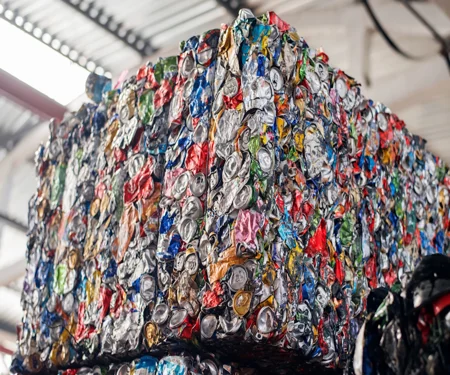
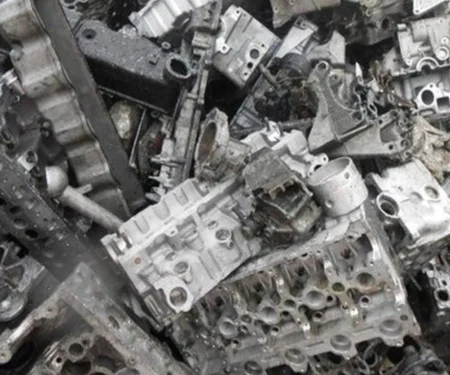
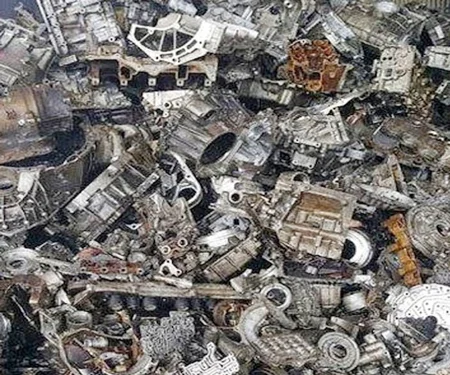
The Indian Transport Minister, Gadkari had earlier said that once the policy is approved, India could emerge as a hub for automobile manufacturing as key raw material available from scrapping is aluminium and other metal components are bound to be recycled. This can help to pull down the automobile prices by 20%-30%.
The government on July 26, 2019, had proposed amendments to motor vehicle norms to allow scrapping of vehicles older than 15 years in a bid to spur adoption of electrical vehicles. In a draft notification, the government proposed renewal of fitness certificates for vehicles older than 15 years every six months instead of the current time-frame of one year.
The notification also provided that the newly purchased motor vehicles will be exempted for payment of fees for a registration certificate and assignment of the new registration mark if the purchaser produces scrapping certificate of the previously-owned vehicle of the same category issued by the authorised scrapping centre/agency.
The minister also suggested exploring cheaper credits, including foreign capital for enhancing liquidity in the automobile manufacturing sector.

Mr Gadkari also advised focusing on enhancing liquidity in business saying ups and downs are common and urged the industry to convert COVID-19 into an opportunity of expanding global market share.
US aluminium scrap exports to China grow 8.6% M-o-M in February, but down 70% Y-o-Y
Next articleCOVID-19 Impact: China’s secondary aluminium operating rates shrink in April on slow resumption of demand
Grow with
AL Circle