Government to rescue the largest Australian aluminium smelter, chalks out long-term plans
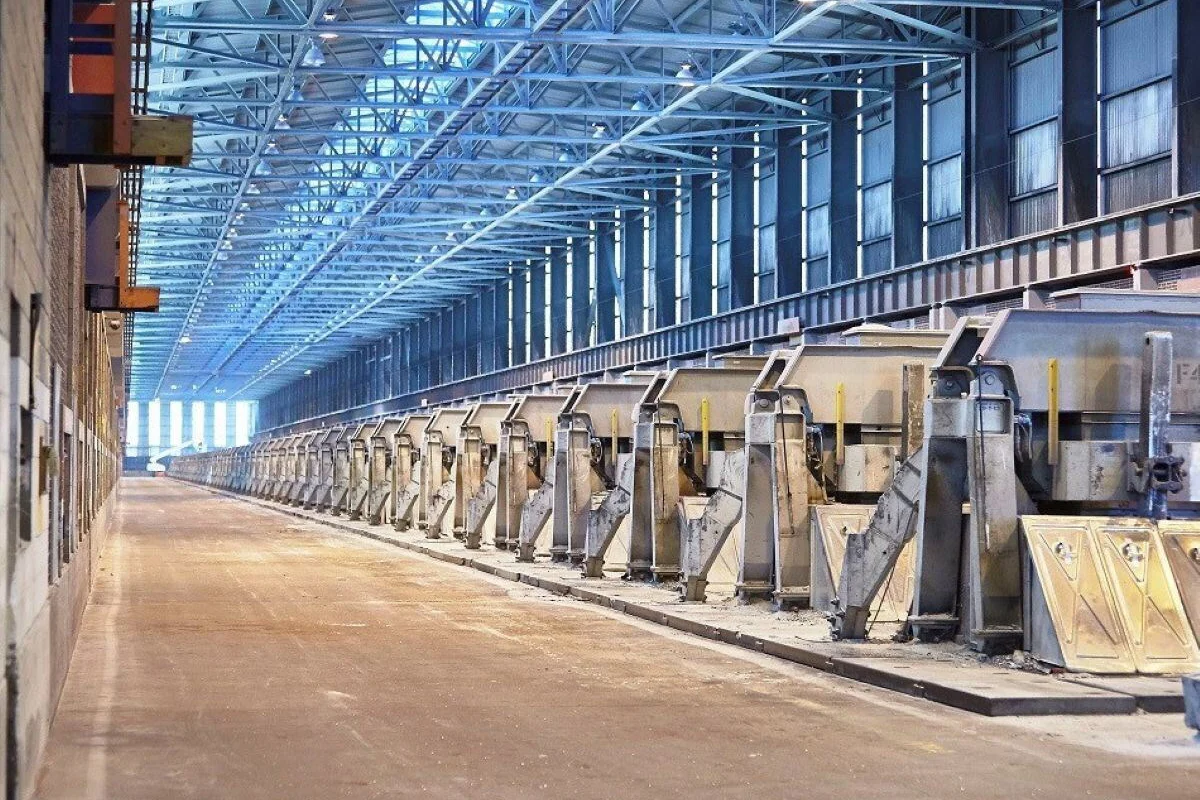
On December 12, Anthony Albanese, the Prime Minister of Australia, announced that Australia’s largest aluminium smelter at Tomago, Newcastle, which is majority-owned by the mining corporation Rio Tinto, is to remain open beyond the expiration of its contract in 2028.
Explore- Most accurate data to drive business decisions with 50+ reports across the value chain
Located in New South Wales (NSW), north of Sydney, Tomago Aluminium, which employs over 1,000 full-time workers and 200 contractors in the connected area, faced the potential risk of a shutdown post its inability to secure an affordable long-term energy supply. Moreover, in October, Rio Tinto warned that without new energy deals, the smelter was likely to shut down by 2025.
The government steps in
The Australian Prime Minister emphasised the growing importance of aluminium, noting that it was "increasingly a vital product" and the closure of Tomago could affect other industries as well. Visiting the smelter, he stated, "If Australia doesn't produce aluminium, then the knock-on effect in other industries is significant."
Tomago Aluminium is considering an agreement with the Australian federal and New South Wales governments to secure its future. Having long-term visions for the smelter, Albanese stated, “We are working with the New South Wales government to make sure there are long-term energy solutions to go forward beyond 2028.” Although yet to be finalised, the government mentioned that the contract would provide the smelter with long-term and fixed-price energy supply.
It also includes at least AUD 1 billion in capital and maintenance investments from Tomago for the next decade, the primary focus being decarbonization. Concessional financing will be provided by the federal government to speed up projects of renewable energy and storage, though, as per Industry Minister Tim Ayres, total costs remain under review.
Jerome Dozol, Tomago's chief executive, gave a statement, "We are grateful to both the federal and New South Wales governments," and expressed his anticipation for working alongside the government.
Also read: Glencore plans 1,000 jobs cuts, while Rio Tinto and BHP tighten workforces amid cost pressures
Stakeholders and industry respond
Rio Tinto CEO, Simon Trott, praised the deal, stating, "This progress reflects years of collaborative work between Tomago and its joint venture partners, including Rio Tinto, in addressing one of the most complex energy challenges facing Australian industry."
The Australian Workers’ Union consider this venture a turning point for manufacturing. Tony Callinan, the Secretary, welcomed the progress and added, "We now look forward to seeing the details of the rescue package and will continue working with all parties to ensure Tomago has a sustainable long-term future."
The Australian Aluminium Council, which represents bauxite mining, alumina refining, smelting, and downstream sectors, also endorsed the news of federal intervention. CEO Marghanita Johnson stressed that “competitive energy is the critical foundation that enables Australian businesses to succeed in global markets” and “The aluminium industry is no longer competing against foreign companies but against foreign governments writing the rules to their own advantage.”
She continued, “Today’s announcement represents a step in the right direction in creating the conditions needed to help restore Australia’s industrial competitiveness,” noting aluminium's role as Australia's top manufacturing export—supporting 20,000 jobs and adding USD 18 billion to the economy, mainly through exports.
This support is similar to recent government bailouts for other facilities such as Glencore's Mount Isa copper smelter and Townsville refinery, Trafigura's Nyrstar lead and zinc operations, as well as the Whyalla steel plant.
Must read: Key industry individuals share their thoughts on the trending topics

LME aluminium cash offer slips 0.64% to USD 2,845.5/t as warrants diverge
Next articleChina's Jan-Nov primary aluminium output rises 2.5% YoY
Grow with
AL Circle