Glencore plans 1,000 jobs cuts, while Rio Tinto and BHP tighten workforces amid cost pressures
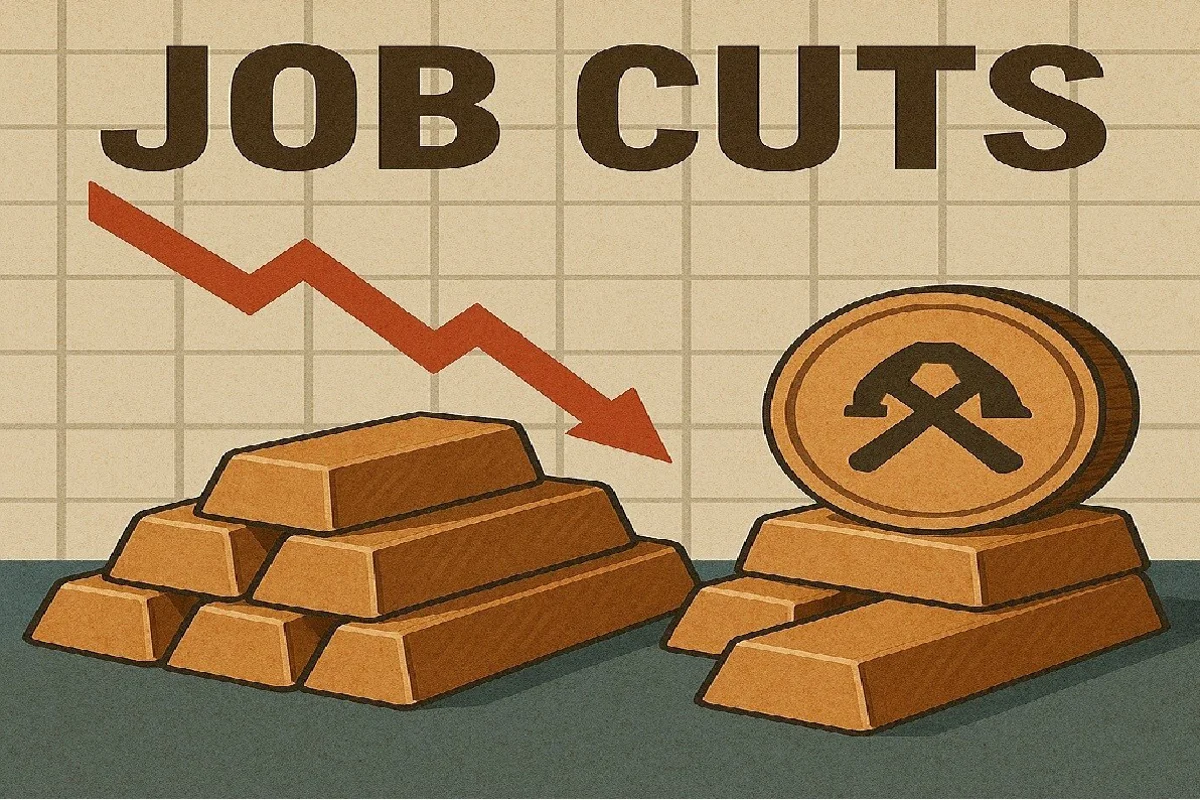
Glencore plans to cut about 1,000 jobs as it tries to get its costs back in check and reset the business. The decision comes at a time when big mining companies, including Glencore, are dealing with rising expenses and ageing mines that are becoming tougher and more expensive to operate.
At a capital markets day in London on Wednesday, chief executive Gary Nagle laid out a plan that puts copper firmly at the centre of the group’s future. He told investors that Glencore wants to become the world’s top copper producer by 2035, aiming for annual output of around 1.6 million tonnes. For now, the company ranks sixth globally based on this year’s production, though it remains the largest publicly traded coal producer.
Copper’s record prices have made the metal even more attractive, yet Glencore hasn’t been able to fully capture the upswing. Output has slipped in recent years, and the company ended up producing 18 per cent less copper than the 2025 goal it set three years ago. Much of the disappointment stemmed from weak performance at its operations in the Democratic Republic of Congo. Nagle acknowledged the concerns and said the company had also revised its 2026 outlook, with next year’s production now expected to come in about 10 per cent lower because of setbacks at the Collahuasi project in Chile.
To rebuild momentum, Glencore plans to restart Argentina’s long-idled Alumbrera copper-gold mine. The company said it could spend up to USD 23 billion to revive Alumbrera and expand other assets, describing most of the work as brownfield —projects that tend to be quicker and cheaper to develop. Glencore is also open to bringing partners into some of these ventures to spread financial and operational risk.
Alumbrera is scheduled to restart in the final quarter of 2026, with production expected in the first half of 2028. Once the mine is fully up and running, Glencore believes it could yield around 75,000 tonnes of copper, 317,000 ounces of gold and roughly 1,000 tonnes of molybdenum over a four-year period.
Behind the scenes, the company has been reworking its structure. The nickel and zinc arms have been folded together, and a series of smelter closures over the past year will be followed by two more shutdowns in South Africa in early 2026.
Other miners are also tightening belts. Rio Tinto, led by new chief executive Simon Trott, is preparing to outline additional cost measures at its own capital markets day on Thursday. BHP, meanwhile, has already trimmed about 750 jobs at its Queensland coal business this year.
Don't miss out- Buyers are looking for your products on our B2B platform

Pentagon supports ElementUSA to loosen China’s monopoly on critical minerals
Next articleGallium faces growing pressure as aluminium production shifts to recycling
Grow with
AL Circle