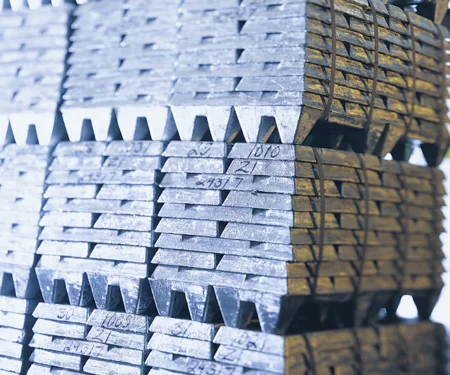
Global power crisis spins aluminium prices to cross $3,000 per tonne

The high power-intensive produced metal aluminium escalated to new heights since 2008, as the global power distress plunges the metal supplies utilized for the manufacturing of beverage cans to world-class mobile phones.
The metal aluminium consumes around 14-megawatt hours of power for one-tonne output, which is considered enough to ferry an average home in Britain for more than three years.
China initiated first to curb the aluminium production to restrict its industrial energy usage. However, ahead of the present energy crisis, China has placed a hard cap on the future capacity that assures to conclude years of over-expansion and augments the possibilities of a profound global shortfall. These days, with the soaring energy costs across Asia and Europe, there’s a looming threat of further supply slash.

On 11th October 2021, the London Metal Exchange witnessed the surge of aluminium price as it crossed the $3000 per tonne mark, the highest since July 2008.
The mounting pressure on the aluminium sector indicated, as the global metals world prepared to gather in London for the annual LME Week.
On 8th October 2021, the State Council of China declared that it will permit higher power prices in a bid to mollify the inflamed power crux. The only primary aluminium producer in the Netherlands, Aldel is halting its production because of the current rise in electricity prices.

Mark Hansen, CEO at Concord Resources Ltd., a London-based commodity merchant trader with a focus on non-ferrous metals and associated minerals said: “A number of aluminium plants in China are being mothballed and the country’s production has probably peaked, at least in the short term.”
“With the market in a deficit and needing to stimulate investment in new production outside China, prices could hit $3,400 a tonne in the next 12 months”, he added.
Goldman Sachs Group Inc. said: “There’s potential for Beijing to lower or remove the value-added tax rebates on exports to slow the flow of metal beyond its borders. With China likely to continue importing huge volumes of aluminium next year, that could leave the rest of the world desperately short, and raises the risk of a violent price spike.”

Concurrently, the aluminium prices got an extra encouragement on 11th October 2021, following the European Union’s imposition of anti-dumping duty on flat-rolled aluminium from China, although it excluded some vital material, including metal used by the drinks cans, car and aircraft industries.
LME aluminium price touches milestone at US$3,020/t; SHFE price surges by US$35
Next articleLME partners with Metalshub to develop digital metals spot market aiming ‘Green’ Aluminum
Grow with
AL Circle