Germany bets €1.5b on industry-led raw materials trading house to cut import dependence
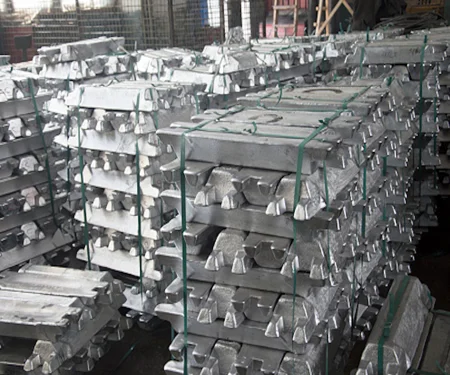
Stock image for referential purposes only
Germany is stepping up efforts to secure critical raw materials and reduce import dependence, with the government backing an industry-led trading house involving major companies such as BMW and Rheinmetall. The proposed platform will bring together joint procurement, strategic stockpiling and supply chain investments to strengthen access to essential minerals.
The initiative also aligns with the European Union’s wider efforts to diversify critical mineral supplies and build more resilient industrial supply chains, with preparations for the German trading house expected to be completed by mid-2027.
The initiative brings together industry associations and companies from the automotive, defence and machinery sectors, including the German automotive association VDA and machinery industry association VDMA. Under the proposed model, participating businesses will pool demand, jointly source raw materials, develop alternative supply channels and distribute procurement risks. The trading house is also expected to invest along supply chains and build strategic reserves.
To learn about the market potential of aluminium dross, explore "ALuminium Dross Processing: Generation, Recovery & Strategic Roadmap"
The plan addresses Germany and Europe’s dependence on imports of critical materials such as lithium, nickel, copper, cobalt and graphite, which are essential for automotive manufacturing, defence, electronics and clean energy technologies. Their concentrated supply base, coupled with China’s dominance in clean technology production and several critical mineral supply chains, has heightened concerns over geopolitical tensions, export restrictions and price volatility.
“Our dependence on a small number of supplier countries makes our supply chains vulnerable to geopolitical tensions, export restrictions and price spikes,” noted Hildegard Müller, head of the German automotive industry association VDA.
The proposed trading house is one of three pillars of the industry’s raw materials security framework. The other two involve a dedicated government raw materials agency and international financing and hedging arrangements. Industry representatives believe that better coordination between these mechanisms is necessary to address gaps in existing German and European initiatives.
Initiative receives federal backing
Germany’s Economy Ministry has endorsed the initiative, emphasising the need to diversify supply sources and reduce vulnerabilities arising from concentrated procurement.
“With the planned German raw materials trading house, industry is taking responsibility by pooling procurement, developing new sources of supply and thereby contributing to more resilient supply chains,” stated the Ministry Spokesperson Luisa-Maria Spoo.
To keep your aluminium operations running efficiently, explore essential consumables and connect with global suppliers on AL Biz.
Backing the effort, the government plans to expand its raw materials fund to up to EUR 1.5 billion (USD 1.64 billion). The fund provides equity investments in projects worldwide. It also intends to strengthen the role of the German Raw Materials Agency by creating a one-stop-shop to coordinate financing, guarantees and other support instruments for companies.
The initiative complements the EU’s Critical Raw Materials Act, which sets 2030 targets for diversifying imports and increasing domestic extraction of strategic materials. Germany has also secured eight of the 46 new projects designated strategic by the European Commission to strengthen supplies for batteries, magnets and other clean technologies. These include lithium mining in eastern Germany and recycling projects involving batteries and magnets used in wind turbines and electric motors.
Additionally, the renewed push comes after earlier warnings from industry groups that raw material shortages could become Europe’s “Achilles heel”. Industry representatives have called for closer government-industry cooperation, greater domestic extraction, recycling and new partnerships with resource-rich countries.
Nicolai Martin, Head of VDA’s committee for automotive supply chains, noted, “We are laying the foundations for pooling demand, tapping into new sources of supply and spreading the risks across multiple parties.”
With preparations for the trading house targeted for completion by mid-2027, Germany is seeking to turn its critical raw materials strategy into a more coordinated industry-led effort.
Unlock key insights from leading companies and experts across the aluminium ecosystem with our e-Magazine - Mine to Market: Aluminium Producers & Manufacturers 2026
Grow with
AL Circle













_md.webp)
_md.webp)