Germany and South Korea grapple with rare earth supply crunch as global race deepens
Germany, the wider European Union and South Korea are increasingly finding themselves on the back foot in securing rare earth supplies, even as countries like the United States and Japan move quickly to lock in access through strategic deals and investments. The imbalance is becoming more visible amid China’s prolonged restrictions on rare earth exports, which have tightened global availability over the past year.
Explore- Most accurate data to drive business decisions with Global ALuminium Industry Outlook 2026 across the value chain
“The EU and, in particular, Germany, and Korea are quite exposed, right? Where are they going to get their supply from?” stated Darryl Cuzzubbo, CEO of Arafura Resources, emphasising the urgency of the situation.
While Western economies are increasing their efforts in supply diversification, the US has adopted a more aggressive approach by backing projects and acquiring stakes in North American assets to reduce dependence on China. Such initiatives are expected to gradually strengthen its position after exports to the West were restricted by China.
In contrast, Europe and South Korea are still working to secure reliable alternatives. Arafura’s Nolans Project in Australia’s Northern Territory is emerging as one such option. The project is expected to produce around 4,440 tonnes of neodymium-praseodymium (NdPr) oxide annually from late 2029, accounting for about 4 per cent of global supply, marking an important contribution for industries such as automotive and defence that rely on permanent magnets.
Reflecting the current market dynamics, Arafura noted, “The current geopolitical and trade environment has created a favourable environment for the negotiation of the remaining offtake volumes… exposing vulnerabilities within the global supply chain.”
So far, the company has secured three binding offtake agreements, covering about 66 per cent of its targeted volumes. It is also working to allocate at least 500 tonnes per year of NdPr oxide to Germany and Europe, supported by the German Raw Materials Fund. Additionally, a 520 tpa agreement is already in place with Siemens Gamesa Renewable Energy.
At the same time, the US is also competing for the remaining supply, especially since its Critical Minerals Framework agreement with Australia in 2025, highlighting how rapidly the race for rare earth security is picking up pace.
With a drastic rise in demand and supply chains under pressure, Germany, South Korea and the EU may need to accelerate their efforts to avoid prolonged exposure to supply risks.
Don't miss out- Buyers are looking for your products on our B2B platform

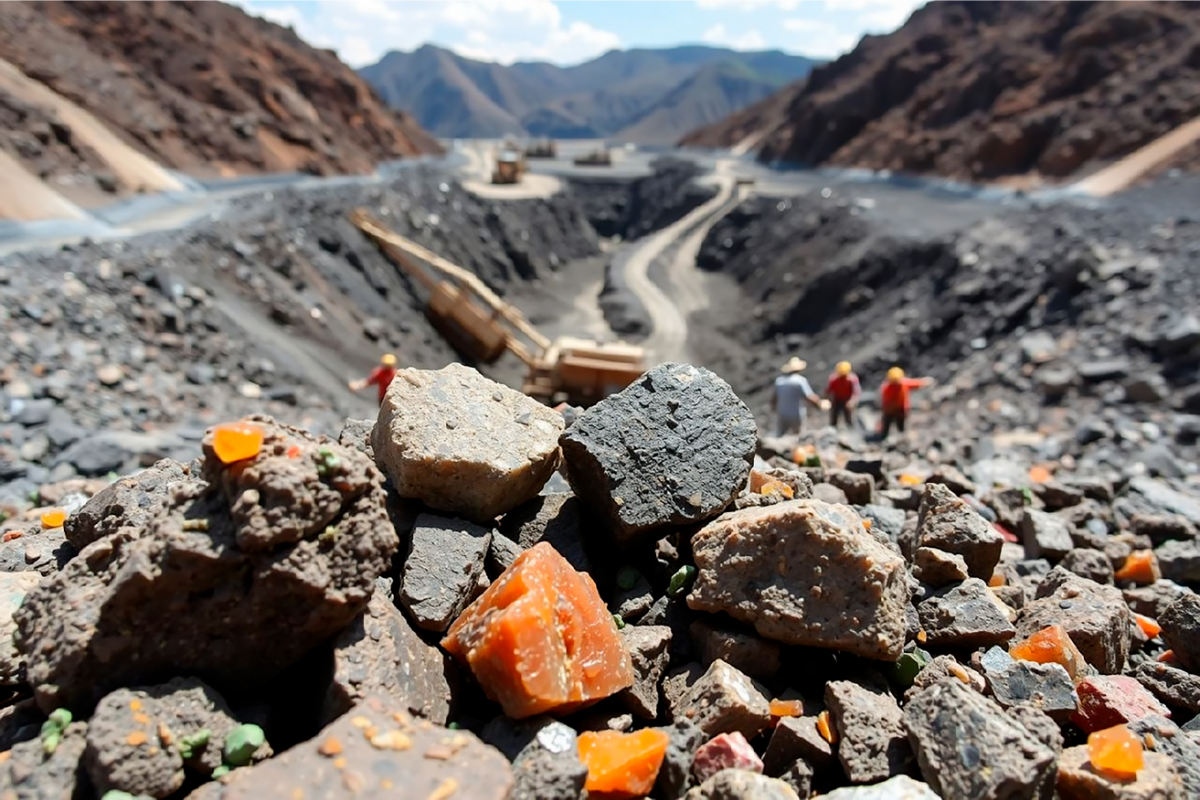
Image for referential purposes only.
GSIS solar loan programme draws strong demand for sustainability move
Next articleIndia hits a record with 30 operational mineral blocks in one fiscal year
Grow with
AL Circle