GCC's green investment drive may pave the way for a $13 trillion economy by 2050

According to a recent Gulf Investment Report 2023 published by Century International Holdings, investing in green and sustainable projects can boost the Gulf countries' gross domestic product (GDP) to $13 trillion by 2050. This figure is double the initially projected $6 trillion regional GDP. While the combined GDP of the Gulf Cooperation Council (GCC) states has already surpassed $2 trillion and is expected to reach $6 trillion by 2050, the new $13 trillion estimate could be attainable if these nations adopt a green growth strategy. Key areas of focus to realize this potential include the production of green and blue hydrogen.
The report highlights that the region could attract as much as $300 billion in foreign direct investment (FDI) if it takes swift action to position itself as the central hub for the restructured global value chains (GVC) focusing on durable and eco-friendly industries.
Issam Abou Sleiman, the Regional Director of the World Bank in the Middle East and North Africa (MENA) region, has highlighted that the Gulf Cooperation Council (GCC) experienced remarkable economic growth, with an average exceeding 7 per cent in the previous year. Saudi Arabia, as the largest economy in the region, played a pivotal role in driving this growth.
He emphasized that the shift towards a low-carbon economy has gained momentum, partly attributed to elevated oil and gas prices and the imperative of bolstering energy security following the Russia-Ukraine conflict. Sleiman anticipates that the renewable energy sector will attract substantial investments, amounting to trillions of dollars, along with promising prospects in both upstream and downstream industries.
Moreover, he stressed the potential of the GCC to become a leading producer of green and blue hydrogen. Achieving this potential requires the implementation of appropriate regulations, policies, and investments to support this transition. By doing so, the GCC nations have the opportunity to foster more robust, sustainable economies that can generate rewarding employment opportunities.
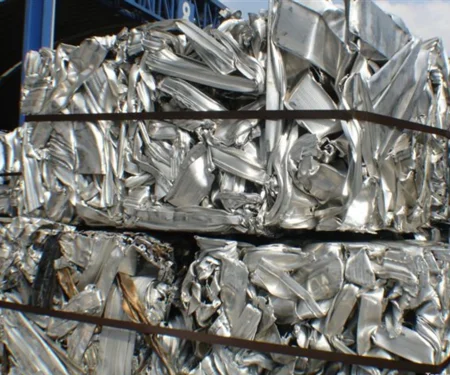
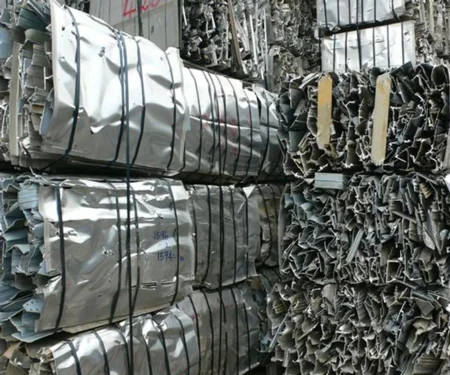
The United Arab Emirates (UAE) of the GCC region is renowned as a prominent exporter of oil and gas, and it has also positioned itself as the fifth-largest producer of aluminium globally, manufacturing one tonne out of every 25 produced worldwide. The export of UAE-produced aluminium generates billions of dollars in revenue, significantly contributing to the diversification of the country's economy. This contribution is a source of pride for the UAE, underscoring its substantial role in the aluminium industry.
Emirates Global Aluminium has also emerged as a key player in the UAE's efforts to achieve its net-zero targets, further amplifying its significance. The increasing demand for aluminium is driven by its economic contributions and its vital role in fostering sustainability. The use of aluminium actively promotes decarbonization across various sectors, exemplified by its application in lighter electric vehicles and its usage in the construction of wind farms.
GCC smelters rank among the world's leaders in technologically advanced, environmentally clean, and cost-efficient aluminium production at the forefront of sustainable aluminium manufacturing.
Several countries in the region are actively pursuing green and sustainable initiatives to reduce carbon emissions. The United Arab Emirates (UAE) stands out, having dedicated over $40 billion to clean energy projects in the past 15 years. Furthermore, the UAE has ambitious plans to invest an additional $163.5 billion in clean and renewable energy sources over the next three decades. Just this month, the UAE inaugurated the operations of its inaugural utility-scale wind farms, capable of providing electricity to approximately 23,000 households.
To gain a deeper understanding of sustainable investments and green financing within the context of the global aluminium industry, we recommend delving into AL Circle's latest industry-focused report titled "Sustainability in the Global Aluminium Industry." This exclusive report offers comprehensive insights and detailed information on the subject.
Sustainability Recap: ASI certifies Hindalco’s Renukoot downstream facility; Volvo & Audi strive to reduce Co2 emissions from operations
Next articleCircular economy breathes new life into e-waste: Dell Technologies
Grow with
AL Circle