From waste to energy: GeT Metal Group transforms tyres into fuel for aluminium production
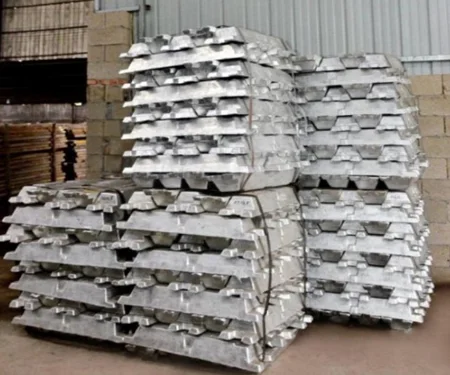
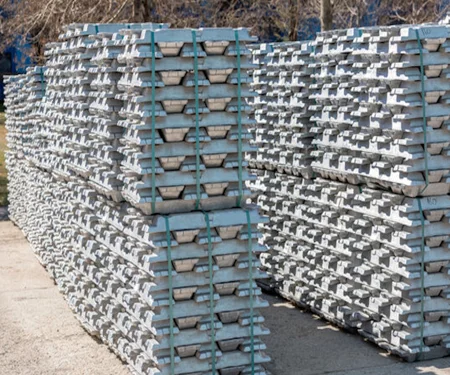
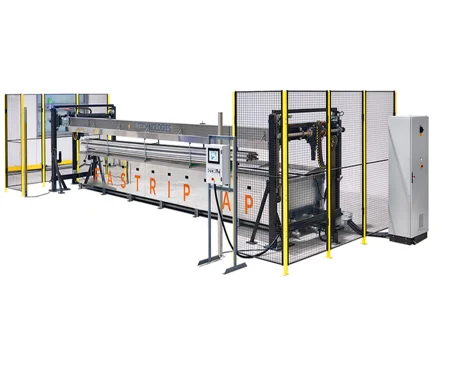
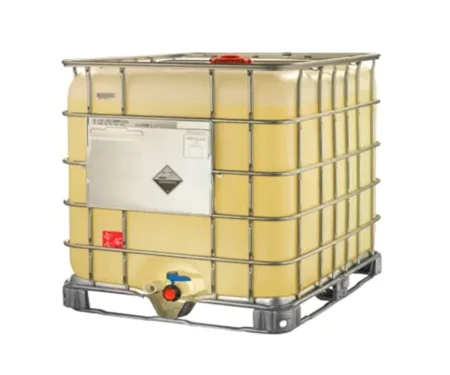
Stock image for referential purposes only
South Africa-based GeT Metal Group and its subsidiary GeT Alloys have launched a waste-to-energy initiative aimed at eliminating fossil fuel use in aluminium melting operations by converting end-of-life tyres into industrial fuel.
The project is designed to process around 150,000 waste tyres annually, producing approximately 1.44 million litres of industrial fuel. The fuel will replace conventional heavy fuel oil previously used in GeT Alloys’ aluminium recycling operations, helping address South Africa’s growing tyre waste challenge while reducing the carbon footprint of industrial production.
According to the company, the initiative will displace about 1.44 million litres of heavy fuel oil each year and deliver greenhouse gas savings of roughly 720 tonnes of carbon dioxide. The emissions reductions were calculated using methodologies developed by the Intergovernmental Panel on Climate Change (IPCC) and the Greenhouse Gas Protocol, accounting for avoided emissions associated with crude oil extraction, refining and transportation.
The programme will also divert nearly 12,500 waste tyres per month from landfills, stockpiles and illegal dumping sites, supporting South Africa’s Extended Producer Responsibility (EPR) regulations and creating a stable end-market for end-of-life tyres.
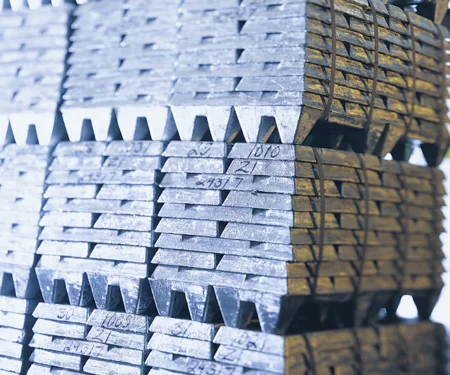
GeT Alloys, which recycles around 350 million used beverage cans, packaging materials and post-consumer aluminium scrap each year into aluminium ingots, has fully replaced its monthly consumption of 120,000 litres of conventional heavy fuel oil with tyre-derived fuel following the project’s implementation.
The fuel is produced through an oxygen-free thermal conversion process that transforms waste tyres into usable fuel oil. Carbon black generated during the process is used in the company’s aluminium dross recovery operations, while recovered steel wire is supplied to GeT Steel for the production of steel billets for domestic and export markets.
The company said the initiative demonstrates a circular economy model in which waste tyres provide both the energy source and supporting materials required for aluminium and steel production. The integrated recycling and manufacturing value chain has also created 32 direct jobs across collection, processing and manufacturing activities.
"We wanted to look beyond simple emissions reductions and demonstrate true circular economy principles in action," said GeT Metal Group director Ebrahim Khan.

EGA, where one in every four supervisory roles are held by women, celebrates International Women in Engineering Day
Next articleWoodside to supply natural gas to Alcoa’s Western Australia alumina refineries till 2030
Grow with
AL Circle