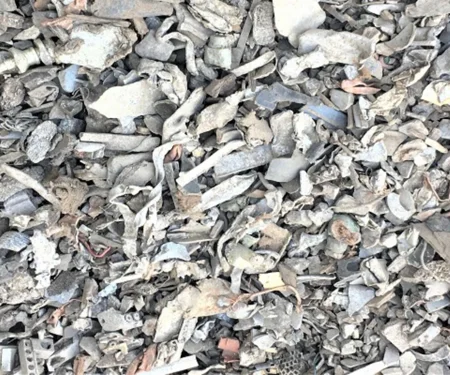
Four designers from London transform toxic red mud into ceramic tableware pieces

According to a recent report, four designers from London’s Royal College of Art have made a series of terracotta-hued cups, bowls, and teapots with toxic red mud residue from aluminium production.
This project, called ‘From Wasteland to Living Room’, displays an exalted transformation of red mud into different functional ceramic tableware pieces.
Red mud is a by-product of refining bauxite ore into alumina to make aluminium. The material mainly consists of iron oxide, which grants it a vibrant, rusty colour.
The four designers named Guillermo Whittembury, Joris Olde-Rikkert, Kevin Rouff, and Luis Paco Bockelmann dove into this project mainly because they want to realign the perception of common people towards waste.
"Having a cup of tea from industrial waste may seem odd to some," said Olde-Rikkert. "But we need to re-evaluate the stigma around the term waste."
"We want to bring the material to your hands – to bring it from the backstage of wastelands into your living room," he added.
The designers sourced red mud from an alumina refinery in south France and carried out hundreds of tests to develop clay bodies, slips, glazes, and concretes. They also worked closely with material scientists and ceramicists for exploring the potential of materials.
Red mud was also used to make the glazes, which produced surprising results each time due to the abundance of metal oxides in its composition.

"Most surprising, perhaps, was the variety of body colour by firing temperature, ranging from a soft terracotta red, through to purple, and eventually black," said the designers.
This project was shortlisted for last year’s Dezeen Awards. This year again it will take place in a panel of highly esteemed judges including Winy Maas, Marc Newson, and Imogen Heap.
Birmingham-based aluminium windows and doors maker appoints new Managing Director
Next articleŠKODA introduces its latest electric bike made from an aluminium frame
Grow with
AL Circle