Okay, first things first to be straightened out — the US aluminium and steel tariff implemented is not the only tariff that businesses have to pay while exporting commodities to the nation’s backyard. If a country was paying a 10 per cent tariff to export aluminium goods to the US, they are now not paying 25 per cent but a 35 (10+25) per cent tariff for the good. All of the secrets lie in the word 'additional'!
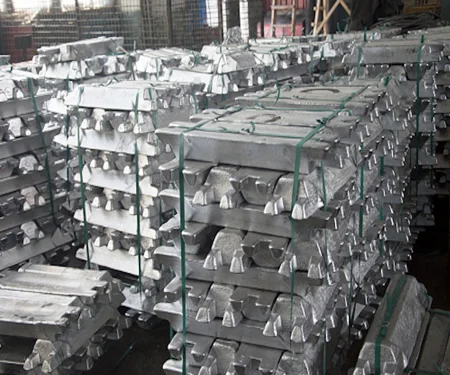
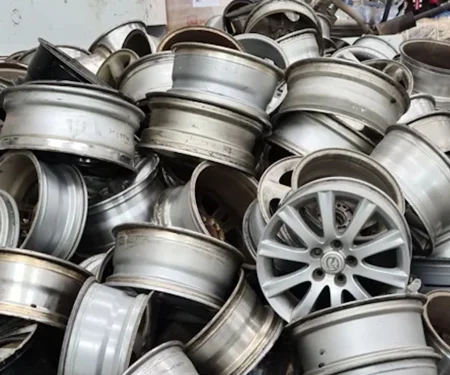
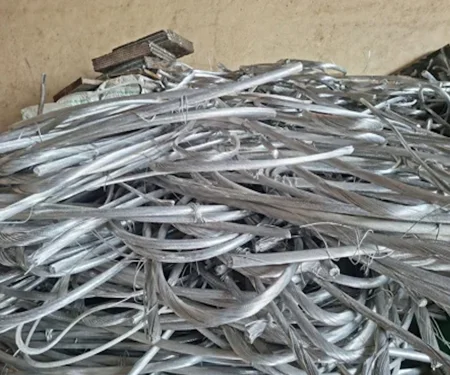
Image for representational purposes only
In February 2025, the US administration reinstated and broadened Section 232 tariffs, imposing a flat 25 per cent ad valorem duty on all steel and aluminium imports, effective from March 12, 2025. The tariffs were imposed through Presidential Proclamations 10895 and 10896, signed on February 10, 2025.
The updated tariffs now encompass both primary steel articles and a broader category of downstream ‘derivative’ items. These derivatives include manufactured steel goods such as structural components, fasteners, and other hardware. Similarly, primary aluminium articles and certain aluminium derivatives are also subject to the additional 25 per cent duty.
According to President Trump, “Tariff is the most beautiful word in the dictionary.” Throughout his presidential campaign, Trump promised to use tariffs as a central part of his foreign policy strategy. His America First Trade Policy memorandum also directs the administration to review various tariff- and tariff-adjacent levers the United States could use to further its new trade policy.
The policy change significantly affects US neighbours Canada and Mexico, as all prior benefits under agreements like the USMCA have been terminated. The new proclamations set the tariff rates for these countries at 25 per cent, with the potential for these tariffs to layer with pre-existing measures, resulting in an effective rate of upto 50 per cent for certain products.
The administration has also signalled an intention to implement a reciprocal tariff scheme. This means that if trading partners impose tariffs or other trade barriers on US goods, the United States will respond with equivalent duties on their imports. While this could protect domestic production by levelling the playing field, it may also introduce supply chain challenges and cost pressures as manufacturers adjust to higher input prices and potential retaliatory measures.
As of the latest updates, along with aluminium and steel, copper has become part of an investigation to determine the necessity of imposing tariffs. The probe targets raw and processed copper imports, with countries like Chile, Canada, and Mexico being significant suppliers. The policy framework aims to reduce China’s dominance in the sector, even though the examination includes derivative copper goods.
Comparison of steel and aluminium tariff impositions: 2018 vs 2025
The tariff landscape for steel and aluminium has evolved significantly from the 2018 Section 232 tariffs to the newly imposed 2025 regulations. The classification of products affected by tariffs has expanded, indicating a broader scope of trade restrictions.
Under the 2018 Section 232 tariffs, the focus was primarily on raw and semi-processed materials essential to industrial supply chains. The primary tier included aluminium ingots, steel billets, and aluminium billets—key inputs for further processing. The secondary tier covered processed but unfinished materials such as flat-rolled steel, structural shapes, extrusions, tubes, bars, and sheets. These products were essential for various manufacturing industries but had not yet reached their final consumer-ready form.
The 2025 tariff impositions extend beyond the raw and semi-finished categories to include tertiary products, which are more refined and closer to end-use applications. New additions to the tariff structure include aluminium castings, beverage cans, automotive components, structural and fabricated components, machinery parts, and electrical enclosures. This expansion suggests a strategic shift towards protecting domestic manufacturers that rely on these advanced materials.
The primary distinction between the 2018 and 2025 tariffs is the broadening of the tariff scope. While 2018 primarily targeted base and semi-finished materials, 2025 includes a greater number of finished and near-finished goods. This move could have wider implications for industries such as automotive, construction, and consumer goods manufacturing, which rely on imported steel and aluminium products. The inclusion of specialised fasteners and fabricated components in the 2025 tariff structure indicates an effort to curb foreign competition at more advanced production stages, ensuring greater market share for domestic producers.
In summary, the shift from 2018 to 2025 represents a more comprehensive protectionist approach, extending beyond raw and semi-processed materials to impact a wider array of industries. The long-term effects will depend on how industries adapt to these evolving trade policies and whether domestic production can scale to meet demand efficiently.
Tariff amendment pursuant to proclamation updates (original verses from White House included)
In accordance with the revisions to Proclamation 9980, subchapter III of chapter 99 of the Harmonized Tariff Schedule of the United States (HTSUS) is hereby modified as provided in Annex I and Annex II to this amendment. Effective 12:01 a.m. (Eastern Time) on March 12 2025, the additional ad valorem duty rate on derivative aluminium articles shall be revised to 25 per cent, in addition to all existing duties, fees, and charges applicable to such imports. These tariffs shall apply to all countries, except Russia, for derivative aluminium articles specified in Annex I.
Scope of tariff application
For any derivative aluminium article identified in Annex I that is not classified under Chapter 76 of the HTSUS, the additional 25 per cent ad valorem duty shall apply exclusively to the aluminium content of the derivative article. For example, all imports of derivative aluminium articles originating from Russia or containing primary aluminium smelted or cast in Russia shall be subject to the 200 per cent ad valorem duty as per Proclamation 10522, effective from the Commerce certification date.
Termination of product exclusion process
Effective March 12 2025, the Secretary shall cease to consider new product exclusion requests under previous proclamations, including Proclamation 9704, Proclamation 9776, and Proclamation 9980. Existing product exclusions shall remain valid until their expiration date or until the total approved import volume is met, whichever occurs first. To prevent high import volumes from undermining domestic industry objectives, all generally approved exclusions shall be deemed ineffective from March 12 2025. A formal notice will be published in the Federal Register to confirm this action.
Inclusion of additional derivative aluminium articles
Within 90 days from the date of this amendment, the Secretary shall establish a process for the inclusion of additional derivative aluminium articles within the tariff scope. This process shall allow domestic producers or industry associations to submit requests for inclusion, provided they can demonstrate that increased imports pose a risk to national security or undermine prior proclamations. The Secretary shall issue a determination within 60 days of receiving such requests.
Compliance and enforcement measures
The United States Customs and Border Protection (CBP) shall prioritise classification reviews of imported aluminium and steel derivative articles. In cases of misclassification resulting in revenue loss, monetary penalties at the maximum allowable rate shall be imposed. Additionally, any evidence of attempts to evade tariffs through processing or alteration of aluminium articles before importation shall be reported to the Secretary for immediate action.
No tariff drawback or reimbursement shall be granted for the duties imposed under this amendment.
Implementation and HTSUS revision
The United States International Trade Commission, in consultation with the Secretary of Commerce, the Commissioner of CBP, and relevant executive departments, shall revise the HTSUS within 10 days of this amendment to reflect the modifications and effective dates prescribed herein.
Supersession of inconsistent provisions
Any previous proclamation, executive order, or regulation that conflicts with this amendment shall be deemed superseded to the extent of such inconsistency.
Recommendations for businesses
Given these developments, businesses are advised to:
- Assess supply chains: Identify products affected by the new tariffs and explore alternative sourcing options to mitigate cost increases.
- Review contracts: Examine existing agreements with suppliers and customers to understand the implications of tariff-induced price changes.
- Stay informed: Monitor ongoing trade policy developments, especially concerning reciprocal tariffs and potential new tariffs on other commodities like copper.
- Consult experts: Engage with trade compliance specialists to navigate the complexities of the new tariff landscape and ensure adherence to regulations.
By proactively addressing these speedbreakers, businesses can better position themselves to adapt to the evolving trade environment and minimise potential disruptions.












_md.webp)
_md.webp)
_md.webp)