Amid mounting tensions between Russia and European Union (EU) EU nations, recent revelations about Finnish aluminium exports doubling to Russia have stirred debates over sanction compliance. A family business from Turku, an international manufacturer of studs for winter tyres, is responsible for the export boost. This report came as Finland's broader trade with Russia kept witnessing a steep plunge, falling by nearly 69 per cent over two years due to stringent sanctions and shifting geopolitical dynamics.
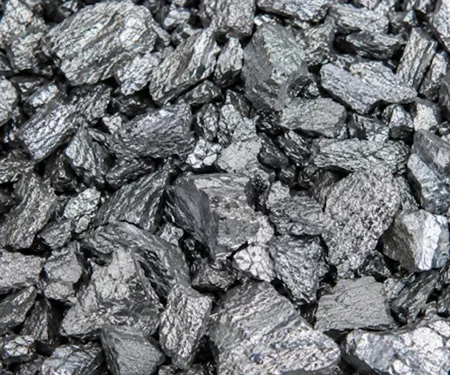
Image Source: https://www.transmico.com/
The contradiction: aluminium exports vs. overall trade decline
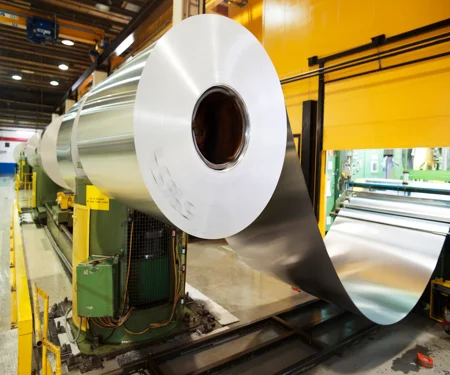
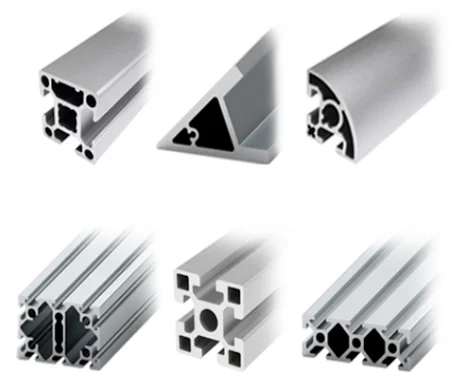
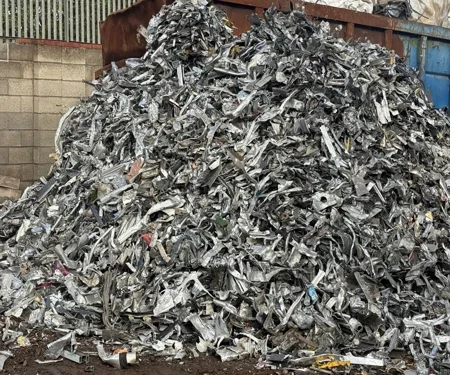
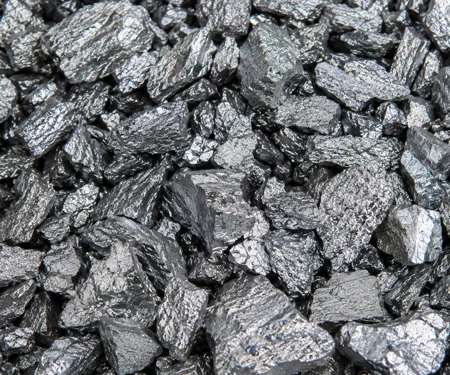
While most Finnish companies have reduced their trade with Russia, a select few have capitalised on exceptions in EU sanctions. These loopholes allow the export of non-restricted items, such as winter tyre studs, creating an avenue for increased aluminium trade. The export swell is vividly owed to Turvanasta, a family-owned company established in the 1980s that produces these studs. One of Turvanasta's co-owners is Ia Adlercreutz, wife of Education Minister Anders Adlercreutz, who also chairs the Swedish People's Party (SPP). Only Turvanasta, out of the three companies producing these items, exports to Russia.
In the first three quarters of this year, the value of aluminium exports to Russia exceeded €23 million. In a similar duration of 2023, it totalled only over €11 million, according to Finnish customs data. Aluminium products are exported across the country's eastern border directly by ship or through the Baltic countries.
Critics argue that such exports, though technically legal, may inadvertently bolster Russia's industrial capabilities. The surge in aluminium exports is particularly striking against the backdrop of Finland's otherwise consistent alignment with EU sanctions. Between 2021 and 2023, Finnish exports to Russia plummeted from €3.9 billion to just €1.2 billion, highlighting the broader trend of disengagement. This reduction to Finland's proactive stance is credited to sanctions enforcement, yet the aluminium anomaly raises questions about regulatory gaps.
Concerns over sanction evasion
Observers warn that increased aluminium exports could undermine the effectiveness of EU sanctions. Finnish authorities have been urged to investigate and potentially tighten restrictions to prevent indirect support of Russian industries. This issue has also reignited discussions about how international trade sanctions can be exploited through legal loopholes, complicating border enforcement.
The export of aluminium studs raises apprehensions about the products used in Russia's war efforts. "Winter tyres are used in various vehicles needed on the front lines for different transportation purposes in military operations. There is a risk that the products could end up being used for military purposes," said Pia Sarivaara, who deals with sanctions at the ministry.
However, the CEO of Turvanasta, Mikko Salakari, said the company cannot impact where customers ultimately deliver their orders. "If we wanted to prevent our products from ending up in Russia, we wouldn't be able to take any orders from our customers," Salakari said.
The Finnish government faces a delicate balancing act — maintaining compliance with EU sanctions while addressing these concerns. The doubling of aluminium exports to Russia highlights the importance of comprehensive measures to close regulatory gaps and uphold Finland's commitment to sanctions. According to customs office statistics, at the end of 2021, over 900 companies were in business export relations with Russia across the eastern border. After Russia's warfare on Ukraine, the number of enterprises automatically decreased, and currently, fewer than 50 companies assert exports. The situation is similar regarding imports of goods from Russia. Currently, a dozen or so companies are engaged in this, while three years ago, there were nearly 500.
This exclusive calculation underscores the intricate dynamics of international trade under sanctions, where legal technicalities can have far-reaching geopolitical implications.












_md.webp)