Europe’s aluminium scrap market in Q1 2026: Exports outpace imports & Russia’s share continues to remain small
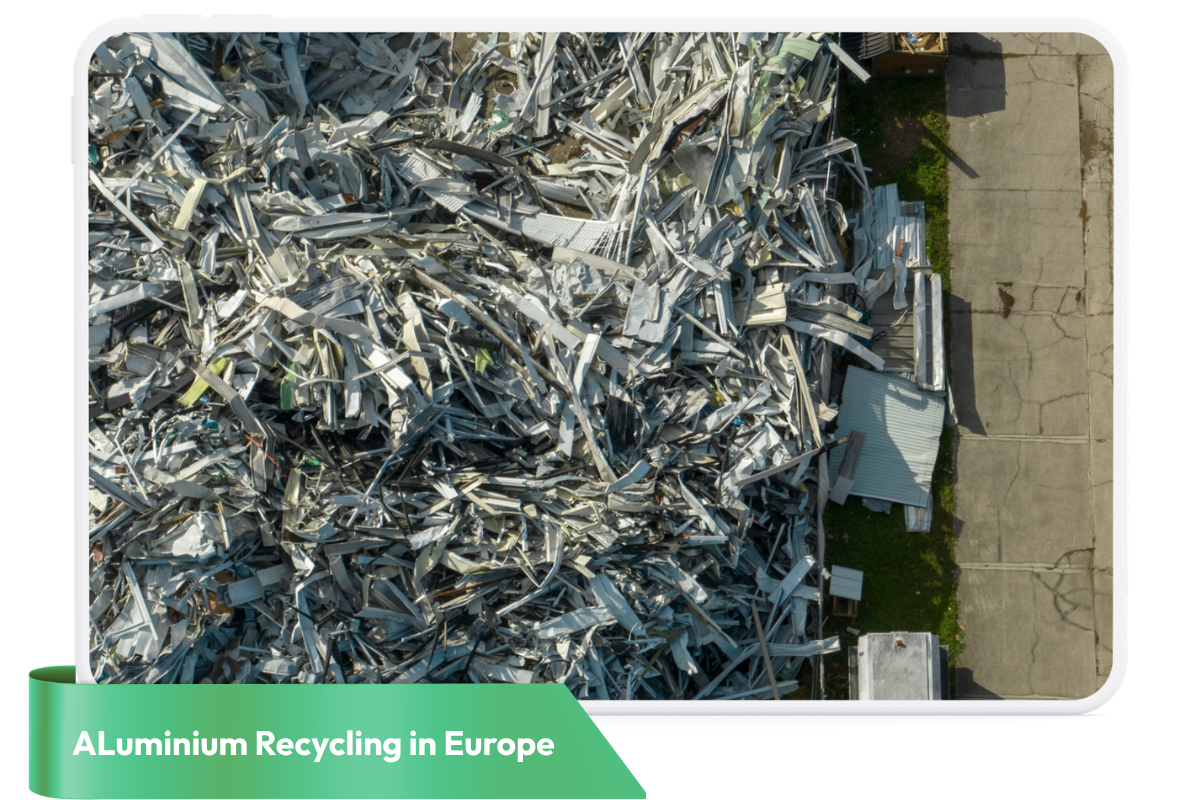
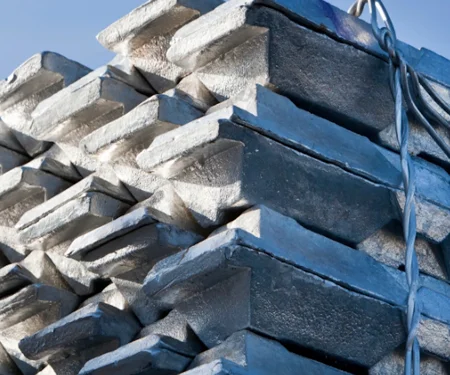
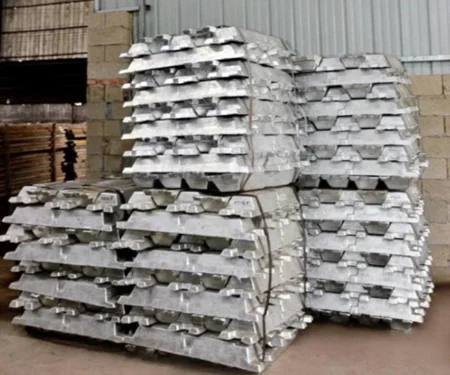
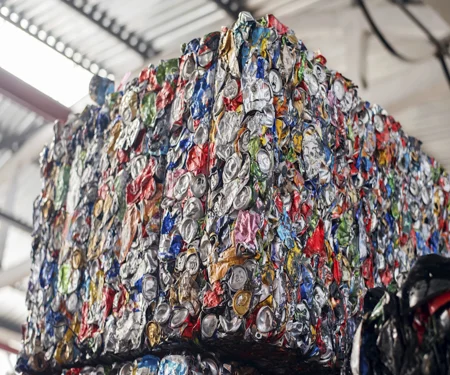
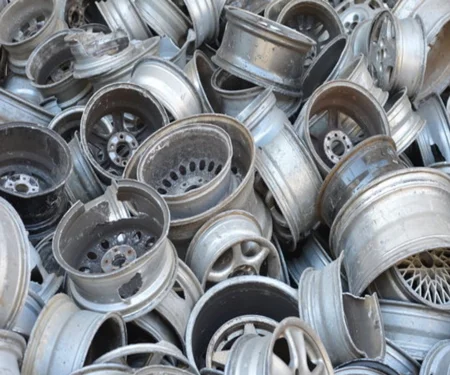
Stock image for referential purposes only
Europe remained a major supplier of aluminium scrap to the global market during the first quarter of 2026. Although discussions on retaining more scrap within the region continued, export volumes remained much higher than imports. Demand from overseas secondary aluminium producers, together with Europe's well-developed recycling industry, kept scrap moving out of the region throughout the quarter.
Eurostat data (HS/CN 7602) show that the EU-27 imported 168,346 tonnes of aluminium waste and scrap from countries outside the bloc during January-March 2026. Imports remained almost unchanged during the first two months of the quarter. January imports stood at 54,817 tonnes, followed by 54,658 tonnes in February. Volumes increased slightly in March to 58,870 tonnes, making it the strongest month of the quarter.
Exports were considerably higher than imports
During the same period, the EU-27 exported 345,908 tonnes of aluminium waste and scrap to countries outside the European Union. Exports increased every month, rising from 101,233 tonnes in January to 113,955 tonnes in February and 130,720 tonnes in March. Overall, exports exceeded imports by around 177,500 tonnes, showing that the region remained a net exporter of aluminium scrap.
The export market continues to depend largely on overseas buyers. India and Turkey remain among the biggest destinations for European aluminium scrap. Malaysia, Pakistan, the United Arab Emirates and several Southeast Asian countries also import significant volumes. These countries use scrap as a raw material for secondary aluminium production because recycling aluminium requires far less energy than producing primary metal.
Attend the webinar Hedging for recyclers - Become an expert in 6 hours to learn metal price risk management for recycling
Within Europe, different countries play different roles in the scrap market
Germany remains the region’s largest aluminium scrap processor and secondary aluminium producer. The country handles large volumes of extrusion scrap, cast scrap, wheel scrap and mixed grades before supplying both domestic remelters and export markets. German recyclers such as TSR Recycling, Scholz Recycling and EMR are among the major companies operating in this segment.
Italy has one of Europe’s strongest secondary aluminium industries. Its foundry and extrusion sectors consume large quantities of scrap, making the country both a major recycler and an important buyer of aluminium scrap within Europe.
The Netherlands acts mainly as a trading and logistics hub. Via the Port of Rotterdam, aluminium scrap collected across Europe is sorted and shipped to overseas markets, while Belgium serves a similar role as a key centre for collecting, sorting, and redistributing non-ferrous scrap.
France generates substantial volumes of aluminium scrap from its automotive and manufacturing industries. Poland has expanded its secondary aluminium sector in recent years as automotive production in Central and Eastern Europe has grown. The Nordic countries, including Sweden and Finland, continue to supply clean industrial scrap recovered through highly automated recycling systems.
Explore: The most comprehensive and forward-looking industry-focused report “World Recycled ALuminium Market Analysis Industry forecast to 2032”
The debate over keeping more aluminium scrap within Europe continued during the quarter
European aluminium producers want more scrap to stay in Europe so it can be recycled locally. They argue this would strengthen domestic recycling and reduce reliance on imported primary aluminium. Recycling companies and scrap traders, however, have maintained that Europe does not yet have enough processing capacity for every grade of scrap collected, especially lower-grade mixed scrap. They argue that exports remain necessary until additional recycling capacity is developed.
This discussion has become more important after the introduction of the European Union’s Carbon Border Adjustment Mechanism (CBAM). Recycled aluminium requires up to 95 per cent less energy than primary aluminium production and produces much lower carbon emissions. At present, post-consumer aluminium scrap is not included in CBAM’s embedded carbon calculation. Some European producers believe this gives overseas processors an advantage because scrap can be exported, melted outside the EU and later returned as secondary aluminium.
The European Commission examines measures to reduce aluminium scrap exports
Industry groups remain divided over the proposal, and implementation of the planned export restrictions has been delayed until September 2026. As a result, trade flows during the first quarter were largely unaffected.
Russia's share of the European aluminium scrap market remained small during the period. According to Global Scrap Monitor (Russia Mirrored), Russian aluminium scrap exports reached 1,938 tonnes in the first quarter of 2026. This was an improvement from 535 tonnes in Q1 2025 and 1,526 tonnes in Q1 2024. In comparison, exports were 251 tonnes in Q1 2023 and 2,795 tonnes in Q1 2022.
Although Russian exports increased compared with the previous year, they remained very small compared with the volumes traded by the EU-27. Based on the available data, Russia accounted for well below 1 per cent of the combined external aluminium scrap exports from Europe during the first quarter. This shows that the European scrap market is still dominated by the EU recycling network rather than Russian exports.
For forward-thinking aluminium market insights amidst supply chain and price challenges, read "ALuminium LeaderSpeak 2026"
Another factor affecting the market during the quarter was global trade
Shipping disruptions in the Middle East pushed freight costs higher, while elevated energy prices in Europe made recycled aluminium more attractive than primary metal. Together, these factors supported demand for aluminium scrap both within Europe and abroad.
The first quarter also highlighted the gap between scrap generation and scrap processing in Europe. While the region has a strong collection network and produces large volumes of aluminium scrap each year, not all of it is processed locally. Germany and Italy have extensive secondary aluminium industries, while countries such as the Netherlands and Belgium play a larger role in collecting, sorting and exporting material. This has created different views within the industry over whether export restrictions are the right solution or whether more investment should instead be directed towards expanding European recycling capacity.
First-quarter data shows the EU-27 remained a net exporter of aluminium scrap, with exports exceeding imports throughout the quarter. Russia’s scrap exports also rose year over year but stayed far below EU-27 levels, and proposed EU export measures are still under discussion, with implementation currently slated for September 2026.
AL Circle analysis: Trade policies, carbon costs, supply trends shape aluminium scrap market outlook
Next articleMRAI urges government to remove import duty on aluminium scrap
Grow with
AL Circle