European aluminium can recycling rate shows stability at 75.8% for 2019; aims to achieve 100% by 2030

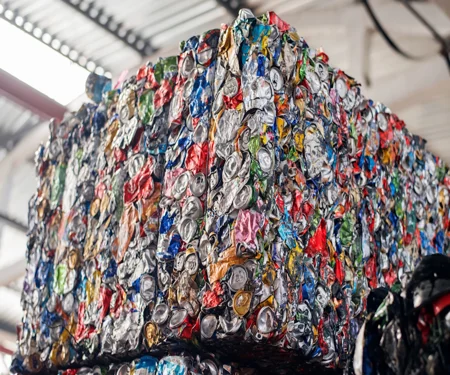
A recent report released by Metal Packaging Europe and European Aluminium reveals that the overall recycling rate of aluminium beverage cans in the European Union, Switzerland, and Iceland remained stable in 2019 at 75.8 per cent. In line with the increase in aluminium can consumption, the production of aluminium from recycled cans reached a record level of 488,000 tonnes, saving 4 million tonnes of CO2 emissions (equivalent to the amount of GHG emissions produced by a European town of 440,000 inhabitants like Bratislava, Tallinn or Murcia.
Can manufacturers, members of Metal Packaging Europe, and their aluminium suppliers, members of European Aluminium, welcomed the new report but added that the recycling rates could go even higher with a little more effort.
In March 2021, the two industry associations jointly launched a roadmap towards 100 per cent aluminium can recycling by 2030. This ambitious target can only be achieved by further improving the existing packaging collection systems in Europe or replacing them with well-designed deposit return systems for beverage cans and other relevant beverage containers.
“With an increasing demand for fully circular packaging systems, the aluminium beverage can, which is made from an endlessly recyclable material, is the ideal alternative to less sustainable packaging options,” said Léonie Knox-Peebles, CEO of Metal Packaging Europe. “We now need to work together to make sure that even more used cans are correctly disposed of and recycled so that we reach our ambitious 2030 goal. We are confident that the credentials highlighted in our Metal Recycles Forever logo will incite consumers to do just that.”

“We would like to see more countries moving towards modern and well-designed deposit return systems, allowing for an optimal use of the high scrap value and quality of the collected aluminium cans,” Maarten Labberton, Director Packaging Group at European Aluminium, stressed. “Although used cans are also recycled into a wide range of other valuable end-use products like bikes or electric vehicles, the most efficient solution is to use them again for the production of new cans. No other type of beverage packaging can reach such high recycling rates whilst using so little primary material, resulting in product circularity as well as carbon emissions reductions.”
US aluminium scrap exports to Thailand surges by 5.90% Y-o-Y in September 2021
Next articleEvery Can Counts initiative programme welcomes Brazil in its recycling drive
Grow with
AL Circle