EU unveils made in Europe plan for aluminium and clean-tech sectors
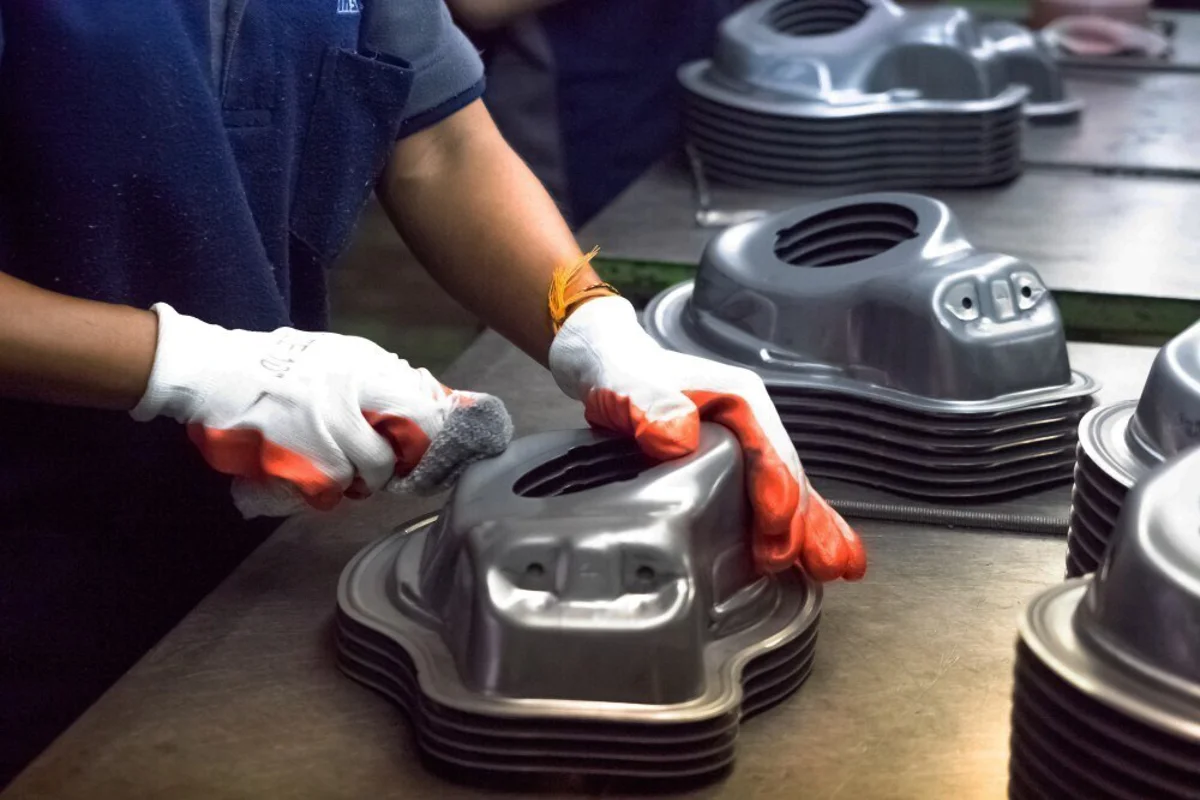
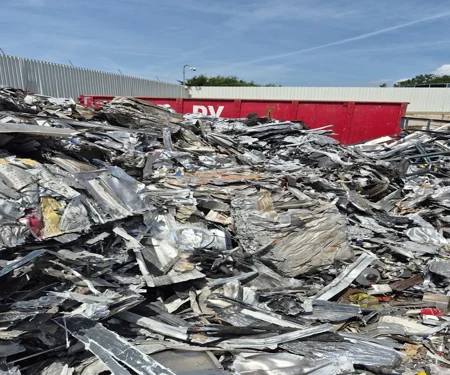
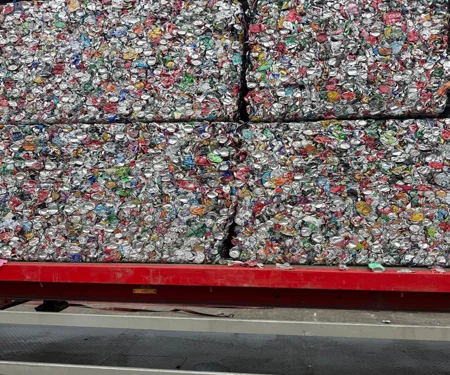
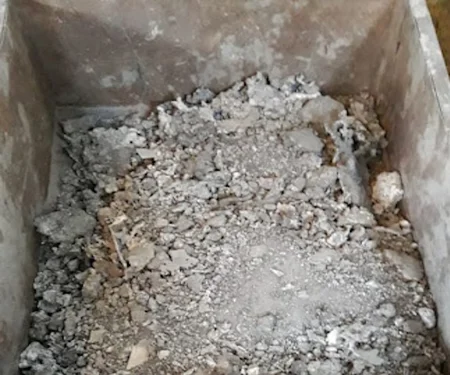
Stock image for referential purposes only
The European Commission has proposed a new law to increase the use of European-made aluminium, steel and clean-tech products in projects receiving public funding.
Known as the Industrial Accelerator Act (IAA), the proposal covers sectors including aluminium, steel, cement, batteries, solar power and electric vehicles. Under the draft rules, a portion of the aluminium used in public procurement projects would need to be both low-carbon and produced within the European Union, while certain clean-tech products would face new sourcing requirements.
The legislation would also seek to reduce dependence on a single overseas supplier for clean-tech products and key components. In certain public procurement projects, no more than 50 per cent of the value of a clean-tech product or its key components could come from a single third country.
According to the European Commission, the proposal comes as manufacturing's share of the EU economy has declined over the past two decades. The bloc aims to increase manufacturing's contribution to GDP from 14.3 per cent in 2024 to 20 per cent by 2035.
The proposal has attracted attention because of its potential implications for Chinese manufacturers. European Commission data cited in the legislation indicates that China accounts for around 80 per cent of global battery and solar manufacturing capacity.
Explore: The most comprehensive and forward-looking industry-focused report – Global Bauxite & Alumina Market Forecast to 2036: Supply–Demand, Trade Flows & Price Outlook
China's Ministry of Commerce has criticised the proposal, arguing that it could undermine fair competition.
The legislation remains at an early stage and must be approved by both the European Parliament and EU member states before it can become law.
The proposal has also sparked debate over costs. Some industry groups support measures designed to strengthen domestic manufacturing, while others warn that stricter sourcing requirements could increase project costs.
The European Commission has acknowledged that some European-made products may be more expensive than imported alternatives but argues that the overall impact on project costs is likely to be limited.
The proposal also introduces new requirements for foreign investment in strategic sectors such as batteries, electric vehicles, solar power and critical raw materials. Investments exceeding EUR 100 million could face additional conditions related to local employment, partnerships and research activities.
Industry observers say the measures could encourage more overseas manufacturers to establish production facilities within Europe rather than relying solely on exports to serve the market.
If approved, the legislation could increase the importance of local manufacturing and regional supply chains across a range of industrial and clean-tech sectors, including aluminium.
Explore our e-magazine ALuminium LeaderSpeak 2026 for the latest industry insights and trends.

New Zealand opens safeguard investigation into aluminium extrusion imports
Next articleHindalco aims for INR 10 billion in revenue from aluminium window business by FY29
Grow with
AL Circle