As of July 1, 2025, the European Commission has fired the starting gun on what could be one of the most consequential trade decisions for the European aluminium industry in recent years. The Commission has issued an official notice of impending expiry for the anti-dumping duties currently levied on aluminium extrusions imported from the People’s Republic of China. In turn, the retraction can conceivably trigger a sharp recalibration of regional manufacturing strategies and market dynamics.
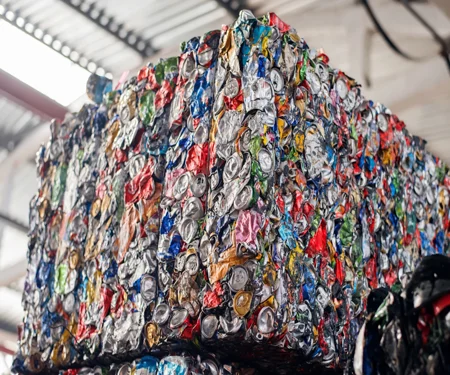
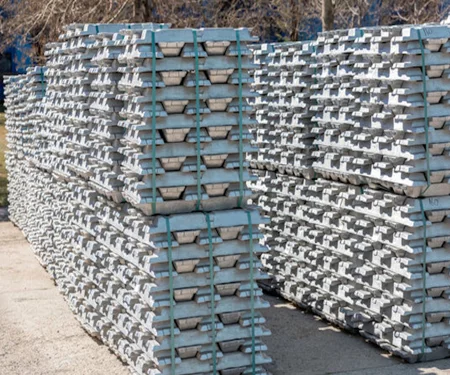
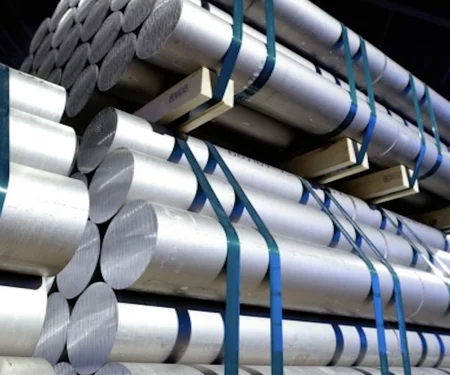
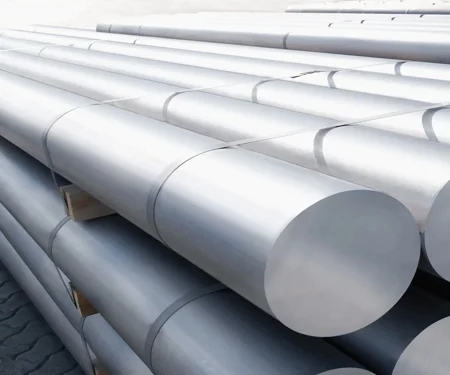
Image for representational purposes only
Unless a formal review request is submitted by EU producers before the end of 2025, the anti-dumping measures will lapse at midnight on March 31, 2026, as stipulated in Regulation (EU) 2016/1036 and documented in Notice C/2025/3573, published in the Official Journal of the European Union on July 1, 2025.
Why the EU locked China out in 2021
The current measures were first imposed through Commission Implementing Regulation (EU) 2021/546 of March 29 2021, after a detailed investigation found that Chinese aluminium extrusions were entering the EU market at dumped prices, causing material injury to domestic producers.
The EU initiated an anti‑dumping probe in February 2020, followed by temporary duties in October 2020 (30–48 per cent) and final duties in March 2021 (21–32 per cent)
The aluminium extrusions’ anti-dumping duty levied on a critical part of supply chains for construction, automotive, renewable energy, and consumer electronics was to shield Europe’s aluminium extrusion sector from what the Commission described as “unfair competition” backed by Chinese state subsidies and production overcapacity.
At the time, European Aluminium, the region’s primary industry association, hailed the duties as “essential to prevent further injury and loss of production capacity,” underscoring the long-term risks of inaction.
What’s on the Line in 2026?
With the expiry window now officially open, European producers have until the end of December 2025 (three months before the expiry date) to submit a request for an expiry review. To trigger a review, producers must provide “sufficient evidence that the expiry of the measures would likely result in a continuation or recurrence of dumping and injury”.
If no such review is initiated, the duties will automatically expire. For some, this may seem like the lifting of a bureaucratic burden — but for many EU producers, it could open the floodgates for another wave of Chinese imports at prices they cannot match.
The stakes are high: in 2020, China exported over 101,400 tonnes of aluminium extrusions to the EU, but before the duties were slashed, that volume had dropped drastically by 2022. A return to pre-duty volumes could once again swamp the market, depress prices, and challenge the survival of smaller EU manufacturers. Chinese customs data for March 2021 indicated just 3,500 tonnes for that month, a 65 per cent drop year-on-year.
The China factor: Excess capacity meets global ambition
According to AL Circle’s prior research, there are more than 500 aluminium extrusion companies in China with a total capacity of more than 30 million tonnes. China Zhongwang, with an annual production capacity of around 850,000 tonnes, is the largest manufacturer in China. The sector benefits from lower energy prices, subsidies, and production incentives under China’s broader industrial policy framework, including the “Made in China 2025” initiative.
Even as the country works to decarbonise its aluminium smelting base and consolidate capacities, Chinese exporters are seeking new markets in anticipation of slower domestic growth and mounting global trade barriers. With the US retaining its own Section 232 tariffs and anti-dumping duties, Europe could become a primary export target — if left unshielded.
Indeed, the US International Trade Commission (USITC) has extended anti-dumping and countervailing duties on Chinese extrusions well into 2026, citing the continued risk of material injury to domestic producers.
The end of anti-dumping duties could have mixed effects across the aluminium ecosystem in Europe:
- Downstream Sectors such as construction and automotive may benefit from cheaper Chinese imports, easing cost pressures amid post-COVID inflation and raw material volatility.
- Primary and Midstream Producers fear margin compression and declining volumes. As European production costs (particularly energy and labour) remain higher, the return of low-cost imports could erode domestic competitiveness.
- Green Aluminium Advocates warn that lifting duties could undermine the region’s push toward sustainable production. Often coal-intensive in origin, Chinese aluminium may offset gains made by EU producers using hydro or renewables.
It’s worth noting that the European Green Deal and the upcoming Carbon Border Adjustment Mechanism (CBAM) could interact with anti-dumping frameworks. However, CBAM currently does not cover semi-finished aluminium products like extrusions in its first phase.
Near-term procedural path
If Union producers choose to act, they must submit review requests to the Commission’s Directorate-General for Trade (Unit G-1), with evidence on the likelihood of recurrence of dumping, the ongoing or expected injury to the EU industry if measures are lifted and relevant market share, pricing, and cost data.
The Commission then opens a formal investigation, typically taking 9 to 12 months, during which importers, exporters, and governments can submit rebuttals or supporting material.
If no review is requested, or if the Commission finds insufficient evidence, the duties will lapse, and China’s access to the EU extrusion market reopens fully on April 1, 2026.
Ideally, what could the industry players do?
For now, the ball is squarely in the court of European aluminium producers. They must make a strategic decision: either prepare for open competition or fight for continued protections.
At the same time, EU policymakers face a larger philosophical question: should the bloc continue to protect its industrial base through defensive trade policy, or should it embrace global competition as a lever for consumer and market efficiency?
For businesses operating in downstream applications, now is the time to scenario-plan: reassess sourcing strategies, pricing models, and supplier portfolios depending on whether duties stay or go.












_md.webp)
_md.webp)
_md.webp)