EU reviews alumina trade rules amid supply chain questions
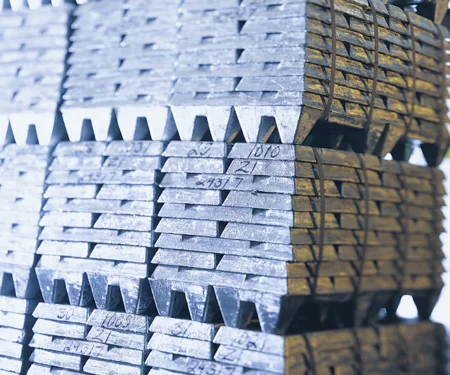
The European Union (EU) has been discussing some changes around how its rules apply to aluminium and alumina trade, especially when it comes to how materials actually move across supply chains. At the moment, restrictions are in place for certain aluminium imports, but alumina, which is used to produce aluminium, is still being traded. This difference has started to raise questions about whether the current setup fully reflects how the industry operates in practice.
One part of the discussion links back to the Aughinish Alumina refinery in Ireland. It is the largest alumina refinery in Europe; it processes bauxite into alumina, which goes into production.
Some reports mention that a share of alumina from this facility has been supplied to Russian smelters, including those linked to Rusal. After that stage, the material is processed into aluminium and becomes part of wider global supply chains. This kind of cross-border flow is not unusual in the aluminium industry, where production steps are often spread across different regions. Also read: European aluminium premium reaches a record $472/t in March - is it a build-up from last year or the Hormuz crisis?
There have also been references to intermediaries, such as a Moscow-based company called Aluminium Sales Company (ASK). Material moving through such channels may eventually reach different industrial users. That said, once materials pass through multiple stages, it is not always easy to track exactly where they end up.
As things stand, these transactions are understood to be within EU rules. The EU has restrictions on importing Russian aluminium, but it has not placed the same limits on alumina exports. So, raw materials can still move under the existing framework.
Explore- Most accurate data to drive business decisions with Global ALuminium Industry Outlook 2026 across the value chain
Because of this, some policymakers have started to question whether the rules need a closer look. The discussion is more about how supply chains function overall, rather than focusing on any specific company.
Companies involved have said they are operating in line with regulations. The Irish refinery has stated that it complies with EU sanctions and export controls and that it follows internal processes to monitor supply chains.
The topic has also come up among EU Member States. Some are open to reviewing alumina-related provisions, while others appear more cautious, pointing to the need to keep trade flows stable.
In a broader sense, this situation shows how complex aluminium supply chains can be. Even when rules clearly cover finished products, earlier stages like alumina can sit in a bit of a grey area simply because of how interconnected global production is.
Don't miss out- Buyers are looking for your products on our B2B platform

DAILY: China's spot alumina prices maintain uptrend
Next articleAlumina Ltd down 1.7%: heavy volumes push AWC among ASX’s most active stocks
Grow with
AL Circle