EPA finalises $57.6M cleanup agreement for former Columbia Falls Aluminium smelter
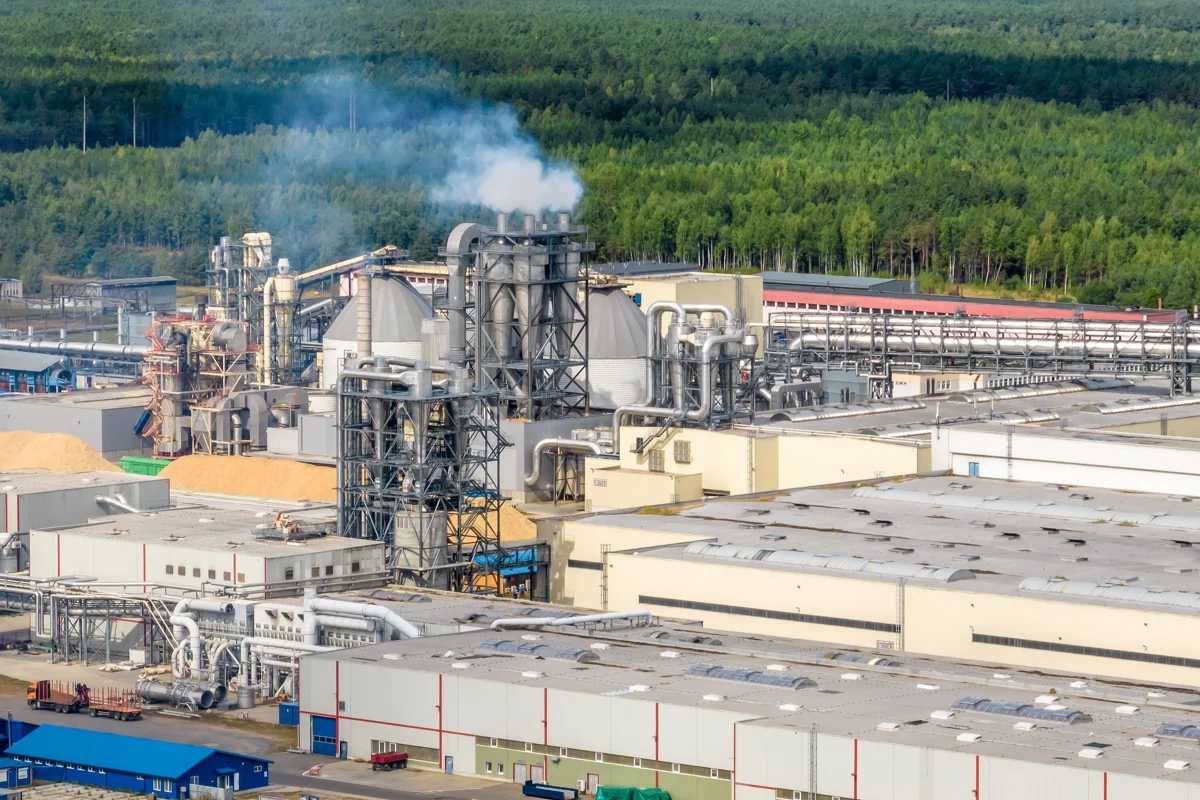
Stock image for referential purposes only
The US Environmental Protection Agency (EPA) has announced that Columbia Falls Aluminum Co. (CFAC) has agreed to carry out a cleanup of its former aluminium plant north of the Flathead River under a consent decree valued at about USD 57.6 million.
The agreement, reached with Glencore and Atlantic Richfield Co. (ARCO), a subsidiary of BP America, requires CFAC to reimburse the EPA for past response costs and undertake the cleanup work at the site. The EPA has also opened a public comment period on the proposed consent decree, which will run until August 6.
EPA Region 8 Administrator Cyrus Western said the agreement is an important step towards completing the cleanup and supporting future redevelopment of the site. He added, “In coordination with our federal, state, local, and industry partners, EPA is advancing effective, protective solutions that safeguard human health and the environment.”
After the public comment period ends and the court approves the decree, CFAC will prepare the cleanup design and carry out the remedial work under the supervision of the EPA and the Montana Department of Environmental Quality (DEQ).
Cheryl Driscoll, President of Glencore Ltd., CFAC's parent company, said the start of active cleanup work reflects the joint commitment of the company and federal, state and local authorities to address environmental issues at the site and support its long-term reuse.
A consent decree is a legal agreement between the EPA and parties responsible for contamination that establishes the framework for environmental remediation. The proposed decree has been filed with the US District Court for the District of Montana.
Under the agreement, CFAC will reimburse the EPA USD 1.8 million for past response costs and cover future response costs incurred by both the EPA and the Montana DEQ.
The cleanup programme will address contamination from arsenic, cyanide, fluoride and polyaromatic hydrocarbons (PAHs). The estimated USD 57.6 million remediation plan is based on the Record of Decision signed by the EPA and the DEQ in January 2025.
The 423-page Record of Decision followed a proposed plan issued in 2023 and outlines the strategy for managing contaminated waste buried at the former aluminium plant, which has remained closed since operations ceased in 2009.
The plan is to contain the contamination at the former aluminium plant rather than move the waste off-site. It calls for slurry walls, improved waste covers, an on-site landfill, and long-term monitoring to track cleanup performance.
The EPA’s plan has drawn criticism because it focuses on containing contamination rather than fully removing it. Residents and a watchdog group say the agency did not give enough weight to community concerns and was too focused on lowering corporate costs, while the EPA says it chose the option using an objective ranking system based on several factors.
Explore our e-magazine “Sustainability & Recycling: Aluminium's Dual Commitment” for the latest industry insights and trends.
The remediation process has also attracted attention following Glencore's sale of around 2,000 acres of the former CFAC property to developer Mick Ruis for residential and commercial projects. Glencore retained ownership of a 211-acre section containing the highest levels of contamination, including the landfill where the underground slurry wall will be constructed.
Last month, the Columbia Falls City Council approved Ruis' proposal to build a 421-unit residential development on about 80 acres along Aluminum Drive. The project, the largest residential subdivision approved by the city, received objections from local residents and some council members over health and safety concerns. This is because of its location next to an active Superfund site. Some residents asked the council to postpone approval until remediation work was completed, but the council proceeded after the EPA confirmed in its Record of Decision that the land was suitable for development.
Hydro signs 10-year renewable power agreement with Eviny to support low-carbon aluminium production
Next articleBALCO warns stakeholders against cyber fraud and impersonation attempts
Grow with
AL Circle