Egypt signs 5.6 GW renewable energy and storage agreements
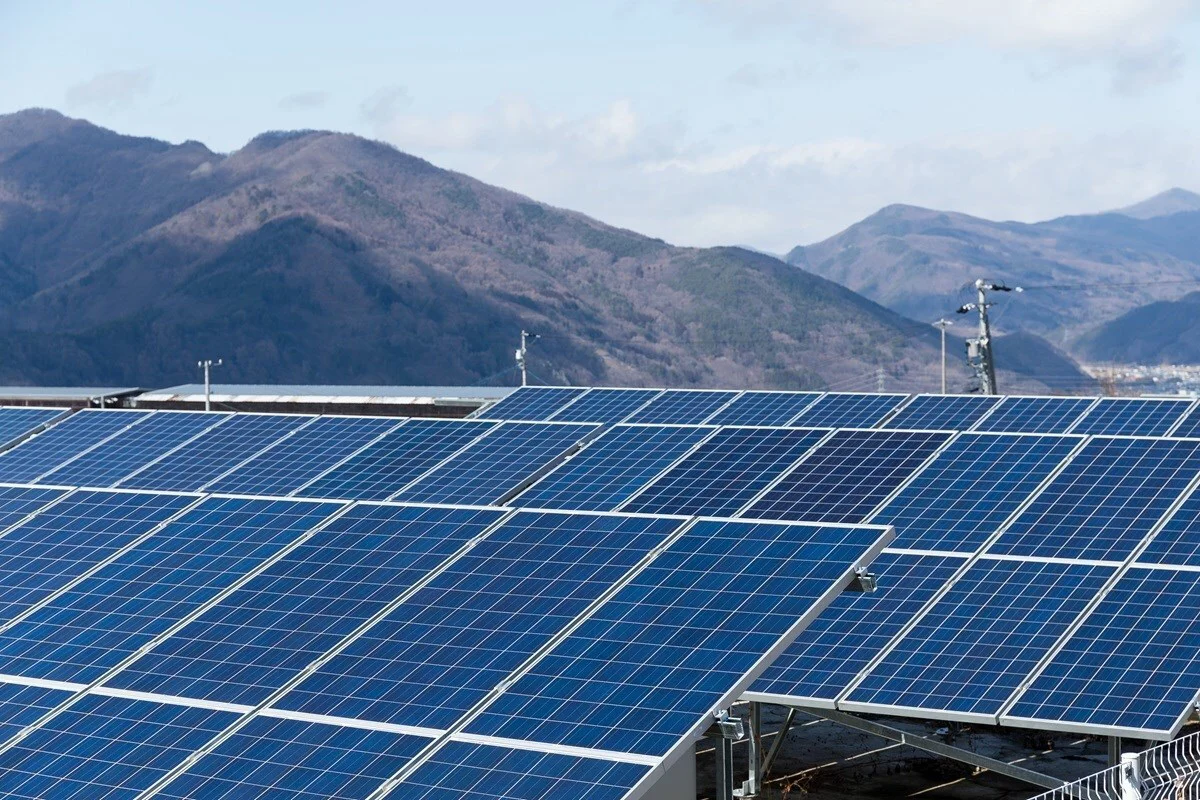
The government of Egypt has signed three agreements covering renewable energy and battery storage projects with a combined capacity of 5.62 GW.
The agreements were concluded under the supervision of Prime Minister Mostafa Madbouly. Minister of Electricity Mahmoud Esmat said the developments are in line with the country’s energy roadmap.
For the global aluminium value-chain 2026 outlook, book our exclusive report “Global ALuminium Industry Outlook 2026"
The deals span wind and solar power installations alongside a standalone battery storage system. The projects will be implemented through collaborations between domestic and international developers.
Wind project anchors first agreement
One of the key agreements involves a land lease for a 900 MW wind power project in Ras Shukeir. The project will be developed by a consortium comprising Orascom Construction, Engie, and Toyota Tsusho through its subsidiary Alifos.
The partners will operate under Shukeir Wind Energy. A separate power purchase agreement has also been signed.
Projects involving solar and storage increase pipeline
A third agreement with Egypt United for National Industries (Kemet Group) covers multiple projects. These include a 2,000 MW solar plant in Nagaa Hammadi and a 2,000 MWh standalone battery storage facility. Additional solar projects of 320 MW and 400 MW are planned in El Oweinat.
Esmat said the projects are part of diversifying electricity sources and integrating storage technologies into the grid.
“The new projects will support efforts to reduce reliance on fossil fuels, cut carbon emissions, and enhance grid stability through battery storage systems,” he said.
“These projects come within the framework of the state’s plan to increase the share of renewable energy in the energy mix to more than 42 per cent by 2030 and 65 per cent by 2040,” Esmat said.
The country accelerated investments in power infrastructure after experiencing supply shortages around 2014.
Large-scale projects such as the Benban Solar Park have set benchmarks for renewable development. The capacity for this project is 1.6 GW, which is developed with the help of multiple international investors.
Don't miss out- Buyers are looking for your products on our B2B platform
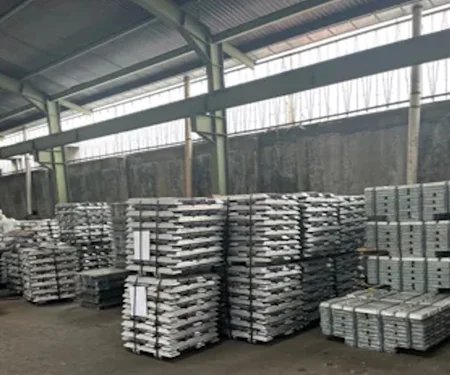
Authorities continue to adopt similar models, enabling private developers to build and operate projects while supplying electricity to the national grid under long-term agreements.The growing renewable energy pipeline could also strengthen demand for locally produced materials, particularly aluminium used in solar module frames and electrical infrastructure.

The Union Coal and Mines Minister of India is to launch the 7th critical mineral auction tranche to boost mineral access
Next articleLyra Energy’s 255 MW Thakadu Solar Project to support South Africa’s power supply
Grow with
AL Circle