CPCB releases guidelines for safe handling and storage of solar panel waste as volumes rise in India
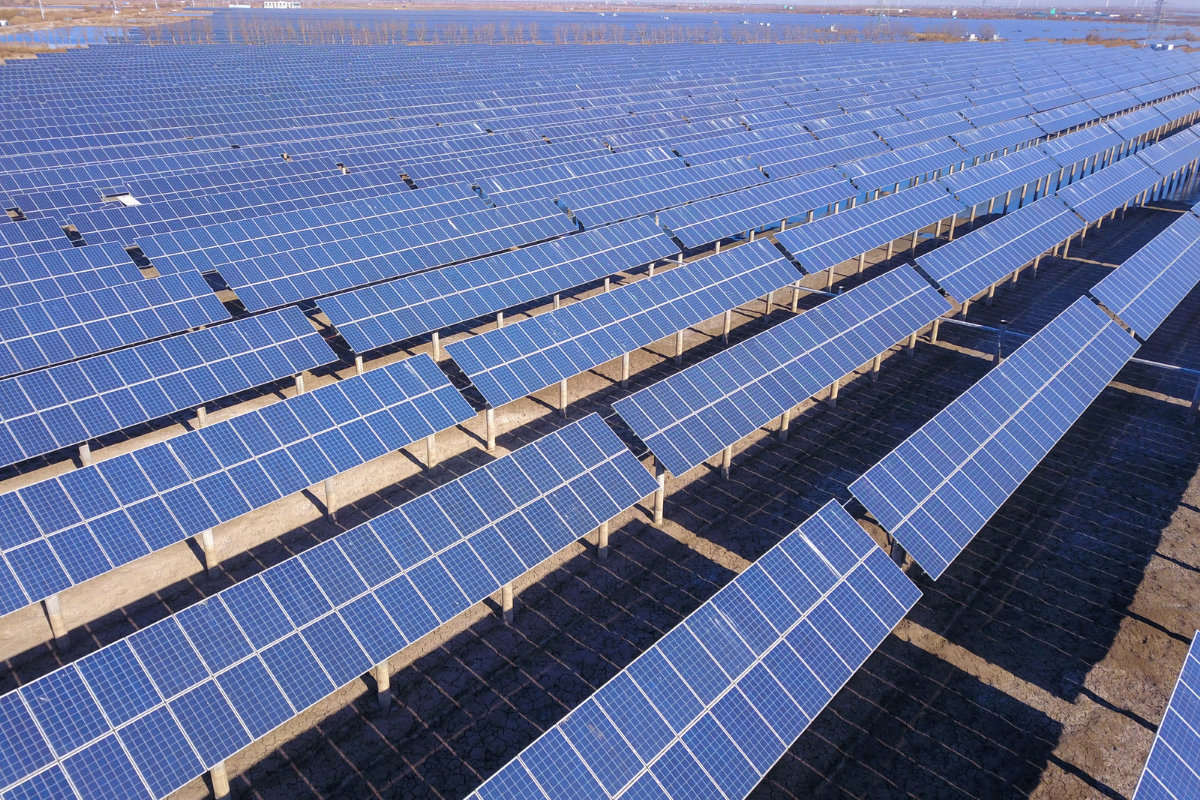
The Central Pollution Control Board (CPCB) released new guidelines in March 2026 for handling and storing waste from solar panels. These rules are issued under the E-Waste (Management) Rules, 2022. The aim is to manage the rising amount of solar waste in a safe way.
As solar energy use has increased over the years in India, more panels reach the end of their life. Solar panels contain useful materials like glass and aluminium. They also contain deleterious substances such as lead, cadmium, and arsenic. If not handled properly, these can pollute soil and water.
For the global aluminium value-chain 2026 outlook, book our exclusive report “Global ALuminium Industry Outlook 2026"
Under the new rules, solar waste is placed in the category CEEW 14. CEEW stands for “Category of Electrical and Electronic Waste”, and ‘14’ is the specific code assigned to solar photovoltaic waste, including panels, modules, and cells.
There are no fixed recycling targets yet. However, producers and recyclers must follow rules. They must register with authorities, keep records, and submit annual reports. Waste panels must be stored safely until 2034-35.
The guidelines state that solar waste must not be dumped in open areas or landfills. Waste should only be sent to authorised recycling facilities. Companies must also set up systems to collect used panels. They should inform users where to return old panels.
Transport rules are also defined. Waste panels must be moved in covered vehicles. This reduces damage and exposure during transport. At storage sites, care must be taken to avoid breakage.
Storage conditions are clearly defined. Waste must be kept in dry, covered, and ventilated spaces. Floors must be designed to prevent leakage into the ground. Broken panels must be stored separately in strong, labelled containers.
Don't miss out- Buyers are looking for your products on our B2B platform
The rules also focus on worker safety. Facilities must provide protective equipment, such as masks and safety shoes. They must also install fire safety systems and prepare emergency plans. Inspections must be carried out every month. Records of storage, safety checks, and waste levels must be maintained.
All records must be available for checking by CPCB or SPCB authorities. These steps aim to ensure that the growth of solar energy is supported by safe waste management practices.

Note: The image used in this article is generated with an AI tool and does not depict any real-time moment
ASI certifies Hindalco Industries Ltd (Hirakud Power and Smelter) against Performance Standard V3.1 with Provisional status
Next articleMidal Cables achieves EcoVadis platinum rating, ranking among top 1% globally
Grow with
AL Circle