COVID-19 impacts: Rio Tinto’s Q2 aluminium production declined to 0.8 million tonnes due to the curtailment of the fourth pot line at NZAS
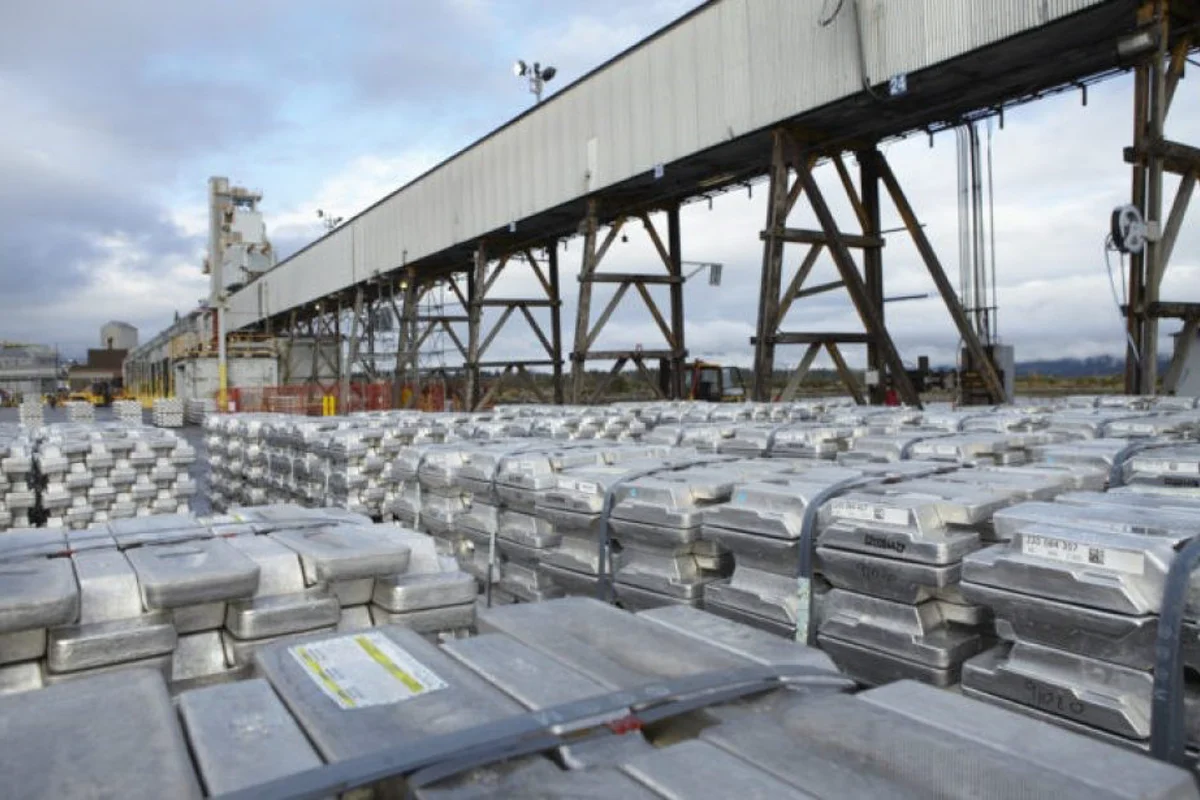
Rio Tinto announced production results for the second quarter of 2020. Aluminium production stood at 0.8 million tonnes, 2% lower than the second quarter of 2019 (flat on the prior quarter), primarily due to pot relining at Kitimat, the decision to operate the ISAL smelter in Iceland at 85% of its capacity, and the curtailment of the fourth pot line at NZAS on 3 April 2020 due to COVID-19 impacts.
“This has been partly offset by the non-managed Becancour smelter which has reached 93% capacity, following its ramp-up after a lock-out in 2019.”
Aluminium production stood at 1.56 million tonnes in the first half of 2020, down 2% year-on-year.
The company VAP sales also dropped significantly to 40% of primary metal sold in the first half of 2020 (first half 2019: 54%) in line with the market, but this was substituted by sales of standard ingot products (P1020).
“The aluminium industry continues to face challenging conditions in global markets and policy uncertainty, exacerbated by the impact of COVID-19,” Rio Tinto said.

“We continue to actively work on enhancing the competitiveness of our smelters, including discussing energy pricing with stakeholders, to ensure the sustainability of our smelters in Australia and Iceland. Work on the strategic review of the ISAL smelter in Iceland announced in February 2020 is ongoing, to determine the viability and competitive position of the operation considering all options including closure.”
Vedanta reduces aluminium ingot price by 1.50% to INR140000-153000/t w.e.f July 17
Next articleReimplementation of 10% tariffs on Canada’s unalloyed aluminium exports would be a wrong move by US: Kirsten Hillman
Grow with
AL Circle





















