Engineeringnews.co.za
Conversion to aluminium beverage cans to facilitate job
Edited by : AL CIRCLE
3 min read
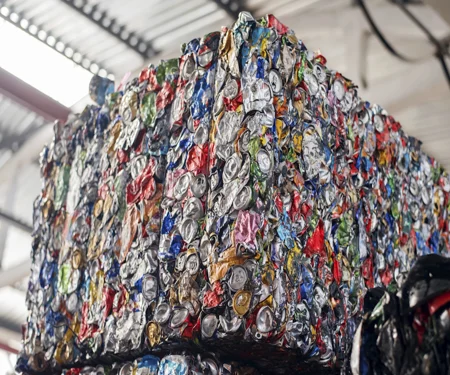
Between R100-million and R200-million a year will flow into the scrap metals and recycling industry as a result of the conversion from tin-plated steel cans to aluminium cans, providing an additional 2 000 to 3 000 people a source of income from collecting and selling used cans, estimates South Africa’s sole beverage can manufacturer Nampak Bevcan.
“The value of used aluminium cans is much higher than that of tin-plated steel cans. The conversion will, therefore, be a more economically viable option for informal can collectors to earn a living or supplement a low income, which will ultimately result in an increase in recycling volumes,” says can recycling and recovery initiative Collect-a-Can public relations and marketing manager Zimasa Velaphi.
Currently, the recycling rate of all beverage cans recycled in South Africa is estimated at 72%, significantly more than any other beverage container format in South Africa, he adds.
South African consumers will be seeing new developments in the beverage market as aluminium cans are introduced, in addition to the traditional tin-plated steel beverage cans currently on the market, over the next 18 months, Bevcan reported in July.
“Aluminium is already the preferred medium for beverage cans internationally. Globally, 85% of all beverage cans are made from this material,” says Bevcan MD Erik Smuts.
The new aluminium can lines at the Bevcan Springs Nuffield plant will be capable of running eight can sizes and produce cans at speeds of up to 3 000 cans a minute, as opposed to the 1 600 steel cans currently produced a minute.
“The decision to move to aluminium-bodied cans was a natural progression, owing to the inherent advantages the conversion holds for the economy, the beverage industry, consumers and the environment,” says Smuts.
The expansion has already had a positive impact in the Ekurhuleni metropolitan region, with more than 40 new jobs being created owing to the first aluminium line installation, with two more existing tinplate lines still to be converted to aluminium.
The benefits of aluminium as opposed to steel are that, owing to the ability to hedge aluminium, it could be a far more stable commodity; the material cost is transparent, whereas the steel price is more volatile with price fluctuations. Aluminium also weighs 60% less than steel, which will result in reduced transportation costs.
The conversion to aluminium will also result in a significantly improved carbon footprint status. An estimated 10% less energy will be used in the manufacturing process as no external coating is required. Therefore, only one bank of spray machines and one oven is used, and conveying in the production line is reduced by two-thirds, which will also save electricity, says Bevcan.
Previous article
21st International Recycled Aluminium Conference in Dubai to highlight sustainable development
Next articleAlupro to use RWM 2013 show to promote the recycling of aluminium and metal packaging
Grow with
AL Circle