Aluminium packaging coatings and circular economy: A forecast in metal packaging till 2033
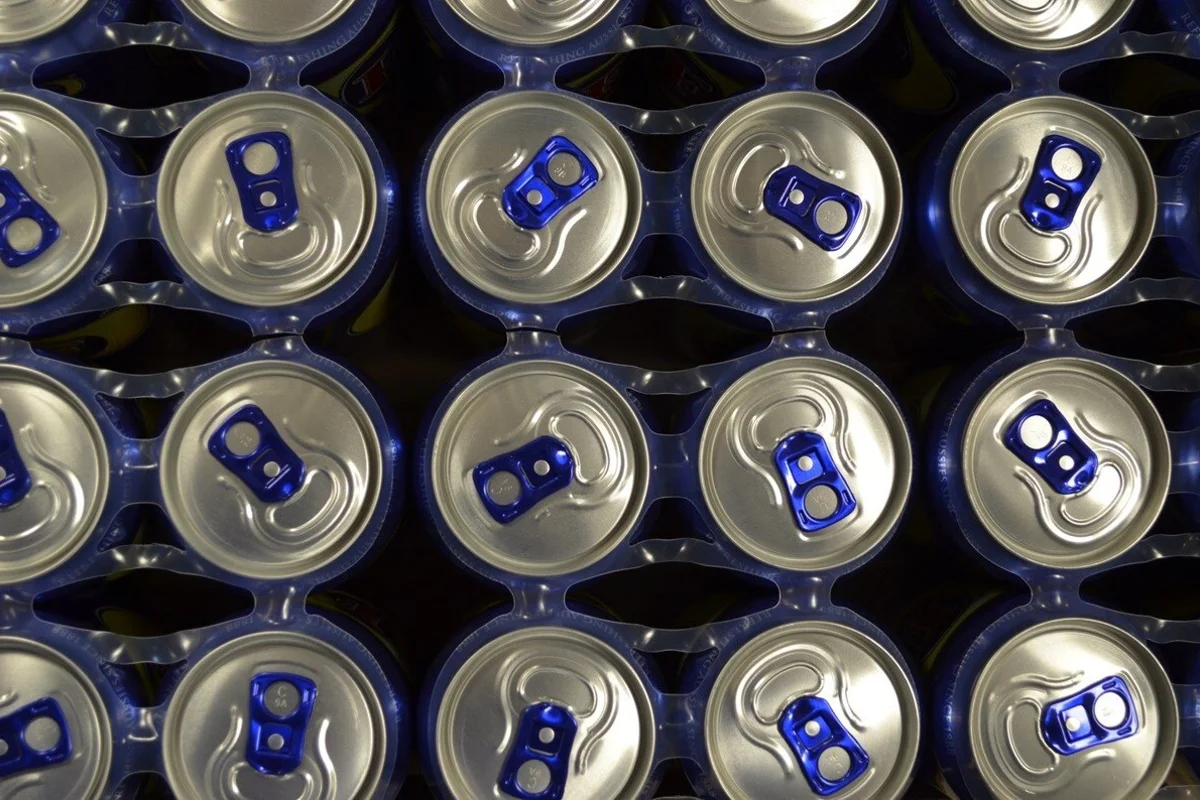
The global metal packaging coatings market in 2024 was valued at approximately USD 3.4 billion. It is forecast to rise to USD 5.1 billion by 2033, reflecting a compound annual growth rate of 4.5 per cent between 2025 and 2033. The global market is set to expand steadily over the coming decade, supported by growing demand for packaging solutions that balance safety, durability, and environmental responsibility.
To know more about the global primary aluminium industry 2026 outlook, book the report “Global ALuminium Industry Outlook 2026"
This upward trend is being driven by wider adoption of metal packaging in food and beverages, pharmaceuticals, personal care products, and industrial applications, combined with tighter regulatory oversight and sustainability expectations. Alongside, new findings from Research Intelo indicate that coatings are becoming increasingly central to how metal packaging performs across a wide range of industries.
Coatings as the enabler of metal packaging reliability
Metal packaging has long been associated with durability and easy recycling, but people working closely with these materials will tell you that the coating often matters just as much as the container itself. Without the right protective layer, metal can corrode, react with what it holds, or fail under the high temperatures used during filling and processing.
As expectations around food safety, product lifespan, and appearance have risen, coatings have moved out of the background. They are no longer seen as a minor technical detail but as a core element that directly affects how well a package performs from factory floor to store shelf.
Innovation shapes market direction
Technological development remains a defining feature of the sector. Epoxy-based coatings continue to hold a leading position due to their proven durability and resistance, particularly in demanding food and beverage applications. At the same time, manufacturers are investing in reformulated and alternative chemistries to align with evolving safety and compliance standards.
Alongside epoxy systems, polyester coatings are being used to improve flexibility and surface appearance, acrylic coatings are favoured for their clarity and rapid curing, and oleoresinous coatings remain relevant for specific food-related uses. Rather than abandoning established technologies, the industry is refining existing formulations to deliver higher performance while meeting regulatory expectations.
Regulation as a catalyst for progress
Stricter rules governing food contact materials, emissions, and chemical usage are reshaping the metal packaging coatings landscape. These requirements are pushing manufacturers to rethink formulations at a core level, instead of slowing innovation.
This has resulted in safer raw material choices, enhanced traceability across supply chains, and greater investment in testing and validation. As a result, coatings are becoming more consistent, reliable, and globally compliant, providing added confidence for packaging producers and brand owners alike.
Sustainability moves to the forefront
Environmental considerations are now central to competitive positioning within the market. Coating technologies are increasingly designed to complement, rather than compromise, the recyclability of metal packaging.
Recent developments include ultra-thin coating layers that reduce material use, water-based and low-VOC formulations, energy-efficient curing processes, and coatings capable of withstanding repeated recycling cycles. These advances reinforce metal packaging’s role as a viable long-term solution within circular economy models.
Don't miss out- Buyers are looking for your products on our B2B platform
Diverse applications support market stability
Several end-use sectors continues to support the growing market’s resilience. Food and beverage containers need more shelf life and protection from contamination, which makes aerosol cans a great fit. These containers can withstand pressure and chemical exposure. On the other hand, pharmaceutical containers demands high purity standards, and industrial containers face harsh operating conditions.
Each of these cans needs precise tailoring of coating properties which include flexibility, adhesion, and resistance, thus encouraging a balanced collaboration between metal packaging manufacturers and coating suppliers.
Expertise defines market leadership
Success in metal packaging coatings is driven less by volume and more by technical capability. Leading suppliers distinguish themselves through deep formulation expertise, strong partnerships with packaging producers, responsiveness to regulatory change, and sustained investment in application-specific research and development.
Digital technology is starting to shape how coatings are applied and managed on the production line. Many manufacturers now rely on live process data to keep coating thickness within tight limits, spot defects as they occur, and anticipate maintenance issues before they disrupt operations. These changes are helping plants run more smoothly while cutting down on material loss and rew.
Competitive landscape
Key companies active in the global metal packaging coatings market include Akzo Nobel N.V., PPG Industries, Inc., Valspar Corporation (Sherwin-Williams Company), BASF SE, Axalta Coating Systems Ltd., Henkel AG & Co. KGaA, Jotun Group, Kansai Paint Co., Ltd., RPM International Inc., Tiger Coatings GmbH & Co. KG, Wacker Chemie AG, Hempel A/S, Beckers Group, Sika AG, Nippon Paint Holdings Co., Ltd., Teknos Group, Berger Paints India Limited, Shalimar Paints Limited, Clariant AG, and Sonneborn LLC.
Outlook: A more visible role for coatings
Based on Research Intelo’s assessment, the role of coatings is set to extend well beyond surface protection. Decisions around coating selection are likely to have a direct impact on how quickly packaging clears regulatory checks, how reliably products meet safety standards, and how brands are perceived on environmental responsibility.
As packaging formats and supply chains continue to change, coatings are moving into a more visible position. What was once treated as a technical afterthought is becoming a foundational element that supports the wider metal packaging system.
Must read: Key industry individuals share their thoughts on the trending topics

RUSAL develops first ultra-strong composite material for 3D printing
Next articleRio Tinto launches ‘Forged Here’ campaign to promote Québec-made aluminium
Grow with
AL Circle