Coastal erosion affecting bores at Tiwai Point aluminium smelter, shows environmental monitoring reports
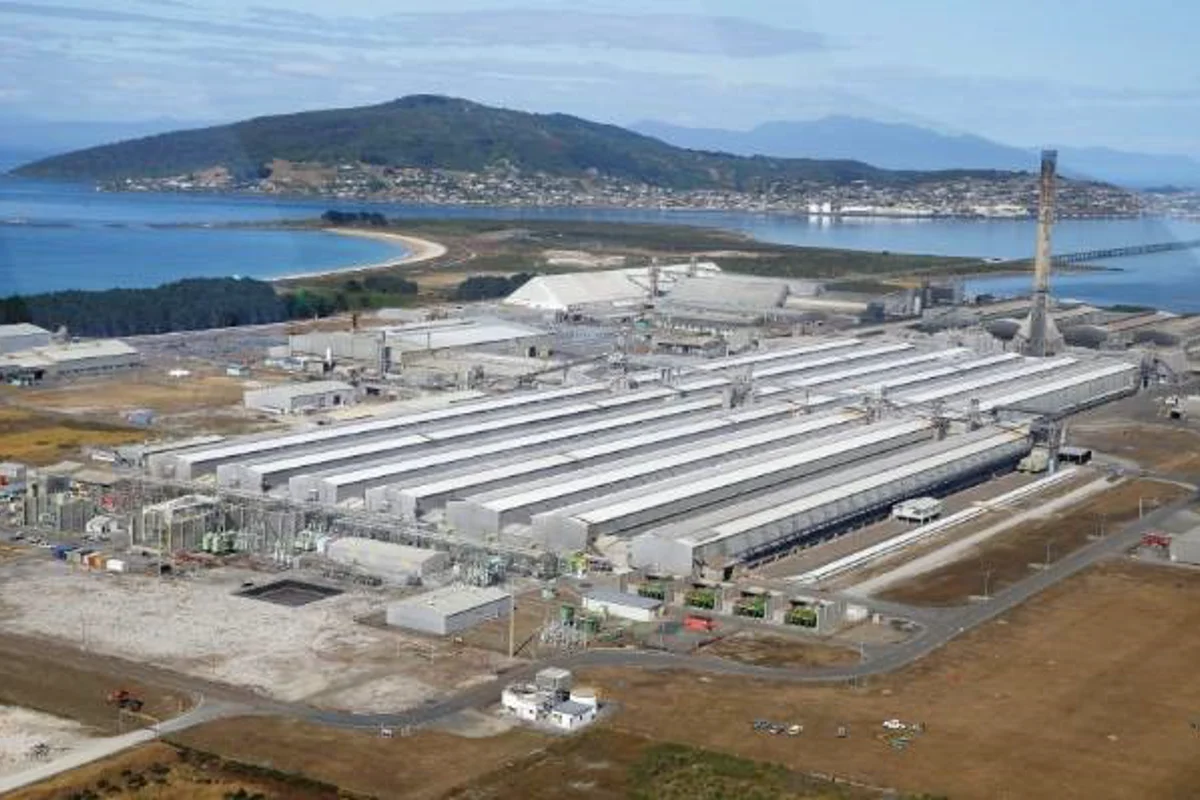
New Zealand Aluminium Smelters Limited (NZAS) has reported that coastal erosion is starting to threaten bores used for monitoring groundwater at its site at Tiwai Point. The company has shown in its reports that how seawater has begun affecting an area near which NZ Aluminium Smelter stores a highly toxic substance.
The rate of coastal erosion is being monitored since 2017. The SCL Groundwater Status 2020 report says the seawater intrusion started to occur in early 2020 because of coastal erosion of the southern coast.
As the aluminium producer has decided to close its smelter at Tiwai Point in 2024, it has begun a closure study to determine what is needed to clean up the site before the company leaves. It has also released a host of reports that contain results of extensive environmental monitoring conducted at Tiwai Point, along with detailed plans for further monitoring.
The reports contain assessments of groundwater surrounding the landfill site and spent lining storage facilities, and also a sampling plan developed by GHD, an international environmental consultancy, to assess if there is any potential contamination across the site.
Based on all the studies and review work, chief executive and site general manager Stew Hamilton believes that NZAS is so far compliant with all the environmental obligations.

Hamilton said, “We want to make sure our community and the local and government officials who monitor our performance understand our planning process and the importance we place on our environmental performance.”
He also said, “As the closure study progresses we will continue to release information and upload it to our website so everyone who is interested can see first-hand our approach to environmental monitoring and the closure process.”
China’s primary aluminium inventories decline to 1.14 million tonnes on April 22
Next articleELLWOOD Aluminum completes construction of its Hubbard plant
Grow with
AL Circle