The Indonesian Navy has expressed strong objections to the planned USD 4.9 billion alumina refinery on Singkep Island in Indonesia’s Riau Islands province.
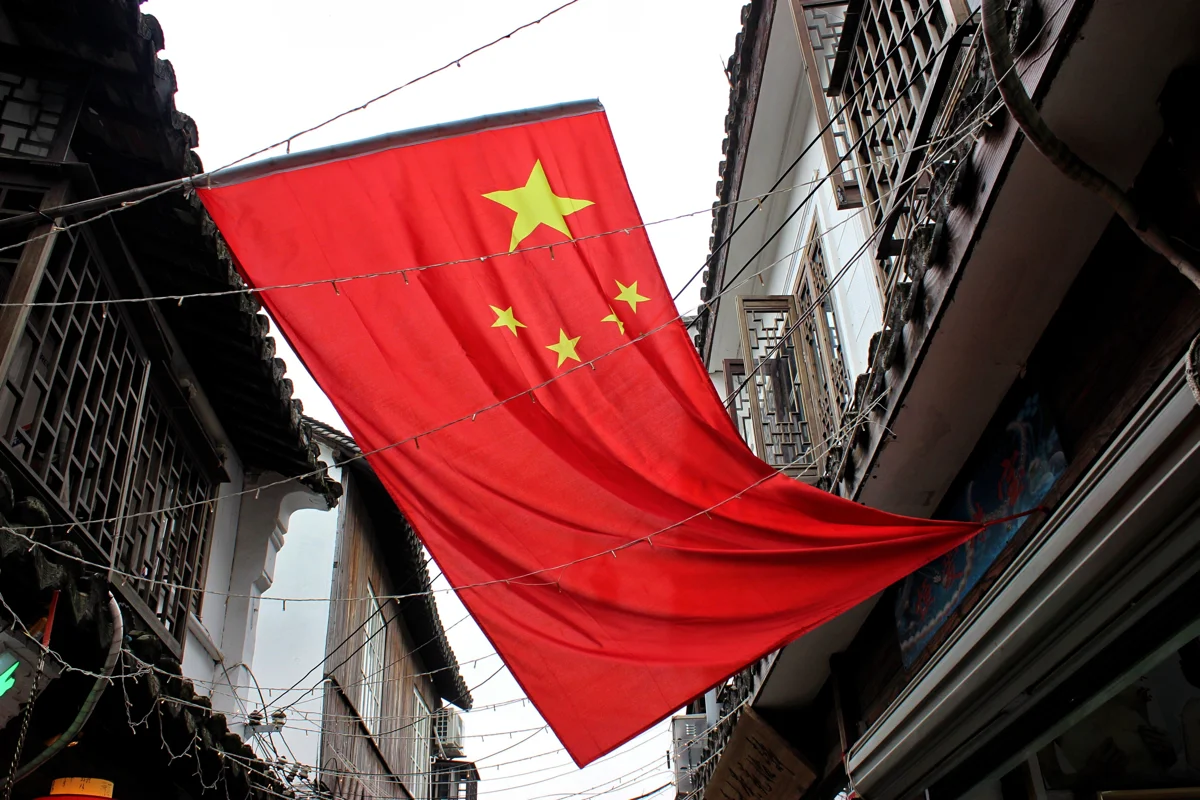
Image for referential purposes only
The project is being developed by China’s Tianshan Aluminium through its local subsidiary, Tianshan Alumina Indonesia, and has been granted National Strategic Project (PSN) status under the government’s mineral downstreaming agenda.
The navy’s concerns stem from the project’s proposed location, which overlaps with a 400-hectare military training zone that has long supported operational readiness.
The area has hosted major defence exercises, including the US-led Super Garuda Shield and joint amphibious drills with Australian forces.
Navy spokesperson First Admiral Tunggul stated that the site remains critical for national defence operations and warned that industrial encroachment could compromise its strategic utility.
In response, the navy has lodged formal objections with the Ministries of Defence, Environment, and Agrarian Affairs.
It is seeking the establishment of a buffer zone and shared land management rights to ensure the continued use of the training ground.
These concerns were also presented during a high-level meeting with the Presidential Staff Office in June.
Defence analyst Alman Helvas Ali supported the navy’s stance, “The Indonesian navy must have a training area—don’t let it be sacrificed for other interests. Currently, land in the regions is increasingly scarce, so getting a large training area is not easy.”
The Presidential Staff Office acknowledged the strategic importance of the site in a statement on June 19.
It described Singkep as having “a strategic position for the national and operational defence of the Navy” and committed to balancing national security priorities with economic development.
The navy had previously raised the issue with top officials, including former maritime affairs and investment minister Luhut Pandjaitan.
Industrial strategy driving friction
The proposed smelter forms a part of Indonesia’s broader downstreaming strategy, launched to build domestic processing capacity and reduce dependency on raw commodity exports.
Following its 2020 nickel ore export ban, Jakarta extended restrictions to raw bauxite in June 2023, pushing international investors especially Chinese aluminium companies—to establish local refining and smelting operations.
Tianshan’s project is one of several large-scale Chinese investments in the aluminium sector across Indonesia, alongside those by Chalco, Nanshan Group, and Hongqiao in Bintan and West Kalimantan.
According to the US Geological Survey (January 2025), Indonesia exported 32 million tonnes of processed bauxite in 2024, making it the world’s fifth-largest supplier.
The deepening trade relationship between China and Indonesia is underpinned by agreements such as the China–ASEAN Free Trade Agreement and the Regional Comprehensive Economic Partnership (RCEP).
These frameworks have accelerated bilateral investment in critical minerals, even as they raise concerns over sovereignty, land use, and strategic autonomy.
Meanwhile, China’s aluminium exports have surged.
In March 2025, exports of primary aluminium reached 9,000 metric tonnes up 153.9 per cent month-on-month and 643.0 per cent year-on-year.
Cumulative Q1 exports stood at 21,000 tonnes, an 857.4 per cent increase year-on-year, according to Chinese customs data.
National priorities at a crossroads
In March 2025, Prabowo launched Daya Anagata Nusantara (Danantara) a new sovereign wealth fund backed by an initial USD 20 billion to consolidate investment in state-owned enterprises and strategic sectors, including mineral processing.
As Indonesia seeks to secure its place in global supply chains, tensions like the one unfolding in Singkep Island underscore the need for clearer coordination between economic development and national defence.
Whether the government can maintain this balance will likely shape future investment frameworks in sensitive strategic zones.













_md.webp)
_md.webp)







