China’s aluminium production slightly down MoM in July, but up YoY

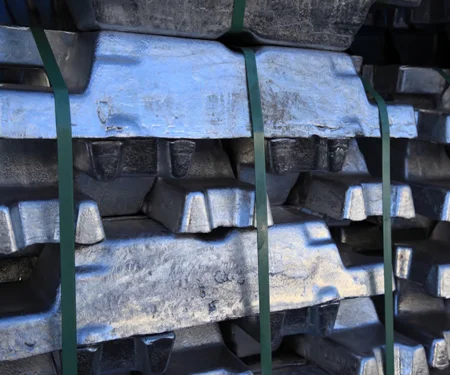
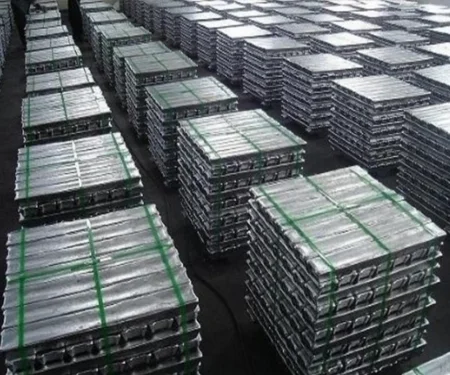
China’s production of aluminium declined for the third month in a row due to power shortages. The primary aluminium output came in at 3.26 million tonnes in July, an increase of 7.4% year-on-year, according to the National Bureau of Statistics. On a monthly basis, the production reduced by 0.9% from June’s output of 3.29 million tonnes.
On a daily basis, primary aluminium production works out at 105,161 tonnes per day, from 109,700 tonnes in June, according to Reuters’ calculations.
“Entering July, the country’s tight electricity supply situation become more severe,” said metals consultancy Mysteel. “In the current power shortage environment, the commissioning of new electrolytic aluminium projects in Yunnan, Guangxi, Guizhou and other places will inevitably be postponed.”
The country’s aluminium exports were the highest since March 2020 at almost 470,000 tonnes despite tight domestic supply.

China’s output of 10 nonferrous metals - including copper, aluminium, lead, zinc and nickel – stood at 5.37 million tonnes in July, the statistics bureau said, down 2.1% from 5.49 million tonnes in June but up 7.1% year-on-year.
Rusal reports a Y-o-Y rise in revenue by 36% to US$5,449 million despite flat aluminium production in 1H2021
Next articleA00 aluminium ingot price in China dips by RMB20/t to stand at RMB20230/t; Caustic soda price inches down by RMB5/t
Grow with
AL Circle