China’s aluminium exports gain momentum as global markets tighten

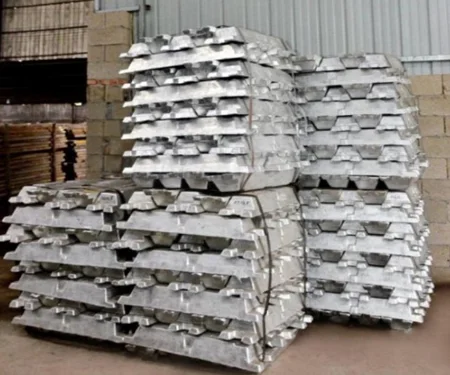
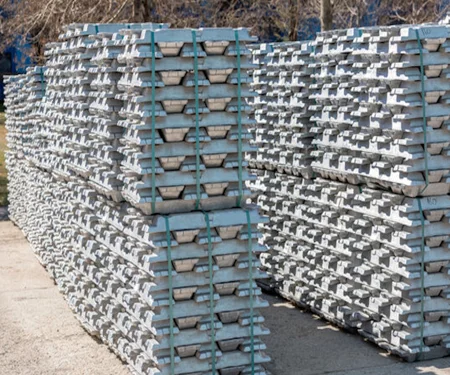
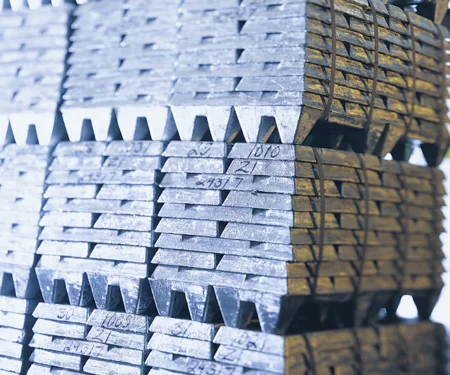
Stock image for referential purposes only
Trade flows across China’s major industrial commodities presented a mixed picture in May, with aluminium standing out as the strongest performer. Exports of aluminium and related products climbed to 632,000 tonnes, marking a 16 per cent increase compared with the same month last year and reaching their highest level since November 2024, according to data published by Morgan Stanley on Tuesday.
The strength in aluminium exports appears to have been supported by disruptions to supply chains in the Middle East, which tightened availability in markets outside China. This helped push up prices on the London Metal Exchange, creating more attractive export opportunities for Chinese aluminium producers. At the same time, China domestic aluminium stocks have begun to ease, a trend that has been in line with rising shipments of semi-finished products abroad.
To know the long-term upstream market forecast, book our comprehensive report: “Global Bauxite & Alumina Market Forecast to 2036: Supply–Demand, Trade Flows & Price Outlook”
Steel exports moved in the opposite direction on an annual basis, slipping 2 per cent from May 2025 levels. Nevertheless, outbound shipments reached 10.3 million tonnes during the month, representing a 9 per cent improvement from April. The monthly rebound is likely linked to a weaker comparison base in the previous month. Looking at the year so far, China exported 44.6 million tonnes of steel between January and May, an 8 per cent decline from the corresponding period last year.
In the copper market, import volumes remained relatively stable. China brought in 446,000 tonnes of copper and copper products in May, a figure that was 1 per cent lower than in April but 4 per cent higher than a year earlier. Physical demand also appeared resilient, with the Yangshan premium holding within a range of USD 60 to USD 75 per tonne.
Meanwhile, imports of iron ore totalled 98 million tonnes in May. This represented a 6 per cent fall from the previous month, although volumes were broadly unchanged compared with a year ago. Coal imports reached 33 million tonnes, rising 1 per cent month-on-month but remaining 8 per cent below May 2025 levels. Cumulative coal imports for the first five months of 2026 stood at 183 million tonnes, down 3 per cent year-on-year.

BLT drives the engineering validation of advanced aluminium AM alloys
Next articleAPAA celebrates one year of President Trump's 50 per cent Section 232 aluminium tariff and historic investments in US manufacturing
Grow with
AL Circle