01 AUGUST 2013Reuters
China to shut excess aluminium production capacity by September
Edited by : AL CIRCLE
3 min read

China's edict to more than 1,900 companies to shut excess production capacity by September is the latest effort to slim down bloated industries, but in the key steel, aluminium and cement sectors the cuts are just a fraction of their surpluses.
Broader efforts, including credit curbs, raising environmental standards and energy efficiency will help slow the expansion of these sectors, but Beijing's push towards industry consolidation will be slow to materialise, analysts said.
Premier Li Keqiang has vowed to curb overcapacity as part of efforts to shift the economy away from investment in heavy industries, a move that could dampen its appetite for raw material imports such as iron ore, coal, copper and bauxite.
Beijing's latest orders suggest less than 1 percent of steel and aluminium production capacity will shut by September, which analysts said will still leave a significant surplus. In cement, the shutdown will cover about 3 percent of production capacity, also only denting the excess.
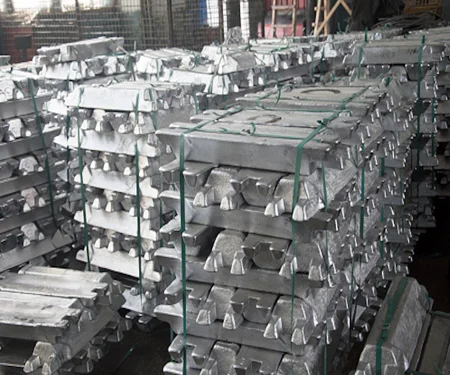
It has ordered 260,000 tonnes of excess aluminium output to be shut when smelting capacity is 27 million tonnes and demand is about 21 million tonnes.
Many smelters ordered to shut were already running at production rates as low as 20 percent and the impact of the shutdowns will be offset by some 2 million tonnes of new projects due to start by the end of 2013, analysts said.
China has said 92 million tonnes of excess cement production must be phased out. Capacity is now about 3 billion tonnes a year and demand is 2.2 billion tonnes.
More broadly, analysts have said that for now Li will avoid radical macro reforms out of concern it could weigh too heavily on growth in the world's second-biggest economy.
Beijing's previous efforts to rein in "blind expansion" in some sectors have been thwarted by local governments that have offered cheap land, tax deductions, subsidies and loans to attract investment, the People's Daily said on Tuesday, citing a spokesman for Ministry of Industry and Information Technology.
Of the 18 million tonnes of aluminium capacity added in recent years, only 800,000 tonnes were approved by the central government, the paper reported, adding that China also has 800 million tonnes of unapproved cement capacity.
In a sign of Beijing's resolve to fix the problem, the State Council has talked about limiting credit and blocking approval of new projects. New and existing projects must include stricter rules on environmental protection and power consumption.
It has already issued tougher standards for the aluminium sector and similar rules are expected for steel, cement and other industries.
Broader efforts, including credit curbs, raising environmental standards and energy efficiency will help slow the expansion of these sectors, but Beijing's push towards industry consolidation will be slow to materialise, analysts said.
Premier Li Keqiang has vowed to curb overcapacity as part of efforts to shift the economy away from investment in heavy industries, a move that could dampen its appetite for raw material imports such as iron ore, coal, copper and bauxite.
Beijing's latest orders suggest less than 1 percent of steel and aluminium production capacity will shut by September, which analysts said will still leave a significant surplus. In cement, the shutdown will cover about 3 percent of production capacity, also only denting the excess.
It has ordered 260,000 tonnes of excess aluminium output to be shut when smelting capacity is 27 million tonnes and demand is about 21 million tonnes.
Many smelters ordered to shut were already running at production rates as low as 20 percent and the impact of the shutdowns will be offset by some 2 million tonnes of new projects due to start by the end of 2013, analysts said.
China has said 92 million tonnes of excess cement production must be phased out. Capacity is now about 3 billion tonnes a year and demand is 2.2 billion tonnes.
More broadly, analysts have said that for now Li will avoid radical macro reforms out of concern it could weigh too heavily on growth in the world's second-biggest economy.
Beijing's previous efforts to rein in "blind expansion" in some sectors have been thwarted by local governments that have offered cheap land, tax deductions, subsidies and loans to attract investment, the People's Daily said on Tuesday, citing a spokesman for Ministry of Industry and Information Technology.
Of the 18 million tonnes of aluminium capacity added in recent years, only 800,000 tonnes were approved by the central government, the paper reported, adding that China also has 800 million tonnes of unapproved cement capacity.
In a sign of Beijing's resolve to fix the problem, the State Council has talked about limiting credit and blocking approval of new projects. New and existing projects must include stricter rules on environmental protection and power consumption.
It has already issued tougher standards for the aluminium sector and similar rules are expected for steel, cement and other industries.
Previous article
Alba achieves first-half profit growth
Next articleCentury Aluminum reports $34.6 million loss for 2nd quarter
Grow with
AL Circle