China to EU: Stand-alone EV talks could undermine broader trade relations

China has issued a renewed warning to the European Union (EU), cautioning that any separate discussions with individual electric vehicle (EV) companies outside ongoing bilateral negotiations could harm the trust underpinning broader trade relations. The statement from China's Ministry of Commerce, released on October 28, 2024, follows similar remarks made earlier this month, emphasising that such unilateral moves by the EU could disrupt the ongoing dialogue and mutual understanding essential to trade negotiations, as reported by Reuters.
This latest caution from Beijing comes just days after both parties agreed to continue technical discussions to find alternatives to potential tariffs on Chinese EV imports. While both sides have publicly confirmed that price commitments remain the preferred pathway to resolving the dispute, China's recent remarks underscore its concern about the EU's engagement with EV companies outside these official talks.
As a next step in the negotiations, China's Ministry of Commerce indicated that further consultation sessions have already commenced. On October 25, 2024, the ministry also invited EU representatives, urging them to visit China "as soon as possible" to advance discussions. This call for expediency underscores Beijing's intention to reach an equitable resolution, with both sides focused on maintaining stability in a trade relationship that has increasingly focused on the EV market.
The ongoing discussions are part of a larger effort to manage trade tensions and secure balanced agreements, reflecting the growing importance of the EV sector in EU-China relations.
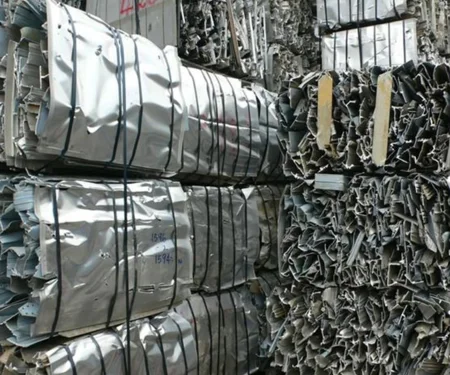
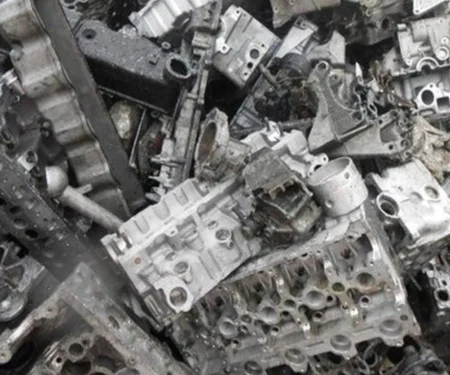
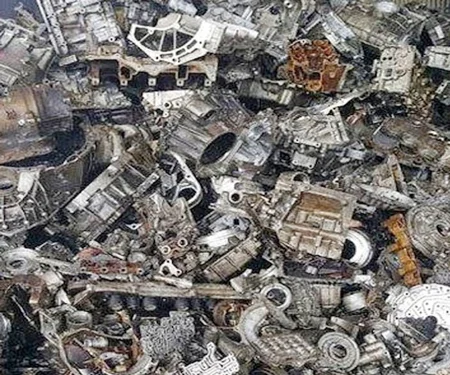
Aluminium plays a pivotal role in the electric vehicle (EV) sector, mainly due to its lightweight, corrosion-resistant, and recyclable properties, which help enhance vehicle efficiency and range. By reducing overall vehicle weight, aluminium components support the extended driving ranges that consumers seek, which is especially crucial in EV battery performance. Applications range from body structures and battery enclosures to wiring and other components, where its thermal properties and strength add functional advantages. As the world’s largest EV market and a top aluminium producer and processor, China is essential to this transformation. Its policies, investments, and innovations significantly impact global aluminium supply chains, shaping trends in sustainable production and integrating aluminium in EV manufacturing worldwide.
Image credit: South China Morning Post (SCMP); Reuters
Nokia X60 Pro: The ultimate 5G smartphone crafted from aerospace-grade aluminium & other recycled materials
Next articlePakistan Aluminium Beverage Cans Ltd posts strong fiscal performance for Q3 2024, with net profit growing 15%
Grow with
AL Circle