China's focus on hybrid auto technology drives Toyota's plan to triple China car output by 2030
China’s once-booming car market is slowing down, in part because of escalating trade tensions with the U.S. Auto sales registered a growth of just 3 per cent in 2017, the slowest rate in recent years and a similar growth is forecasted for the current year, according to China Association of Automobile Manufacturers.
However, as a part of its plan to improve its manufacturing sector and control the overcapacity of metals in the country, China has been working towards developing the domestic auto sector and opening up its market. The country has slashed car import duties to 15 per cent from 25 per cent last month. It is also starting to ease rules limiting foreign ownership of joint ventures. A few new joint ventures have already been announced. Whereas in another big market, the U.S., President Donald Trump's administration is considering as much as 25 per cent tariffs on imported cars, despite a shrinking market.
According to a report from Automotive News China, Toyota Motor Corp. is aiming to triple car production in China by as soon as 2030 in order to repair the lost ground in the world's biggest market.
Sources said, Asia's largest automaker is aiming at producing 3.5 million vehicles annually in China around 2030, while boosting imports to the country to half a million vehicles. Toyota currently produces about 1.16 million cars in China annually, and sold 1.3 million there last year for a 4.5 per cent share of the market. Volkswagen AG and General Motors delivered more than 4 million vehicles each.
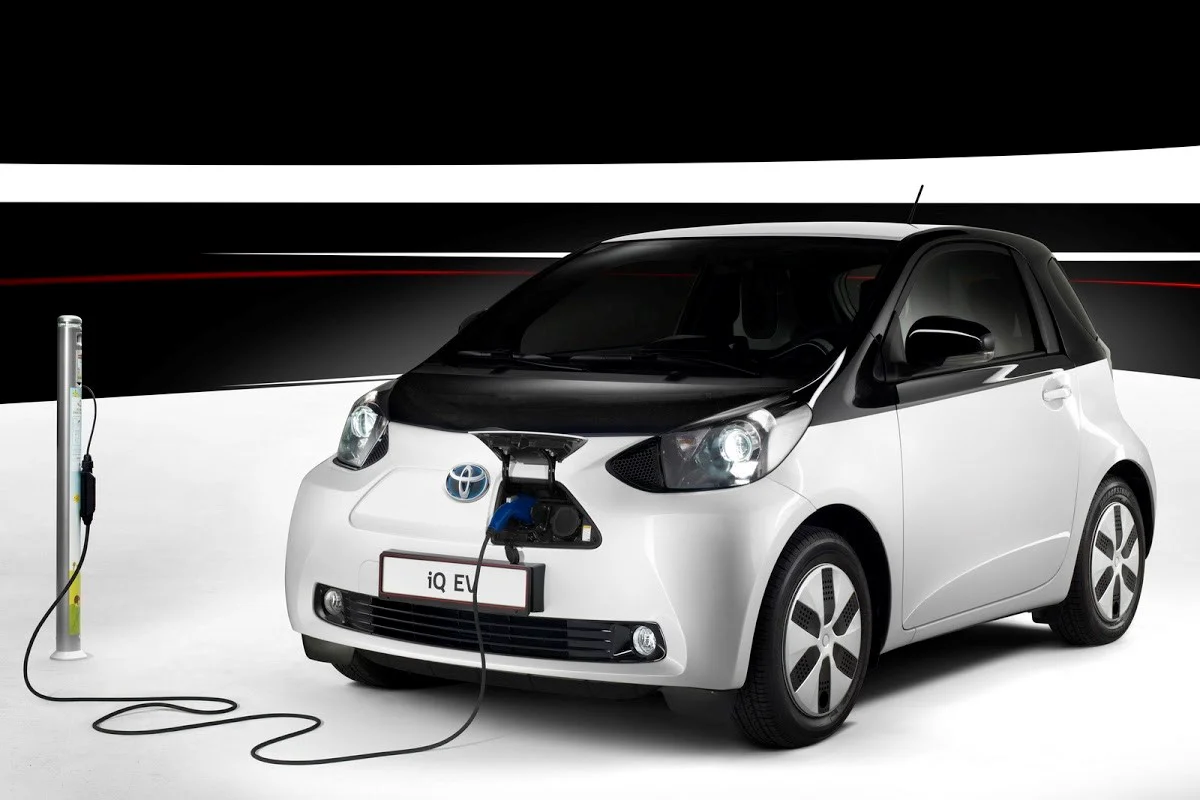
The plan is an outcome of Chinese officials’ focus on hybrid technology that Toyota pioneered with the Prius, in order to achieve Beijing's ambitious environment targets. The government is aiming for a fifth of car sales by 2025 to be so-called New-Energy Vehicles, including pure EVs and plug-in hybrids. Stringent quotas for NEV production will be implemented from next year.

Toyota is competing with VW, GM and local manufacturers such as Geely Automobile Holdings in the plug-in vehicle segment. Toyota had to delay the introduction of a plug-in hybrid Corolla until next year and the EV version of its compact crossover C-HR until 2020.
The company aims to boost Chinese capacity to 2 million vehicles annually by the early 2020s in order to achieve its target. Toyota sold more than 2.4 million vehicles in the U.S. last year, almost twice as many as in China.
Production is NEVs is expected to dramatically boost the use of aluminium. Analysts project that aluminium demand for EVs in 2018 (without taking into account charging infrastructure) is expected to be around 250,000 tonnes, assuming average aluminium content of around 250 kg per vehicle. The content of rolled and extruded aluminium products in EVs will remain significantly higher while the use of cast products will see some drop.
By 2030 aluminium demand from EVs will reach 10 million tonnes, a ten-fold increase on 2017 figures. The number of electric cars on roads will be boosted by supportive policies and cost reductions, according to a recent report from the International Energy Agency.
The world’s biggest economies (China, the U.S. and Europe), will boost demand for NEVs while planning to stop the sale of fossil-fuel vehicles. China is expected to continue to be the largest EV market in the world through 2040. Lightweighting with aluminium still remains important for hybrid cars, as it can offset the weight of the heavy batteries required. Reducing the weight of the EV allows auto makers to either reduce the size (and cost) of the battery pack or increase the size of the battery pack and thereby extend the vehicle’s range. Aluminium is still expected to benefit greatly from the electric and hybrid vehicle revolution, especially from hybrids as they boast two engines and automakers as well as aluminium part makers are leveraging on the growth
Barrio Brewing set to introduce environmentally-friendly aluminium canned beer
Next articleFord drops the plan to bring in SUV model from China in wake of US automobile tariffs
Grow with
AL Circle