China pushes stricter lithium battery recycling to support EV lifecycle management
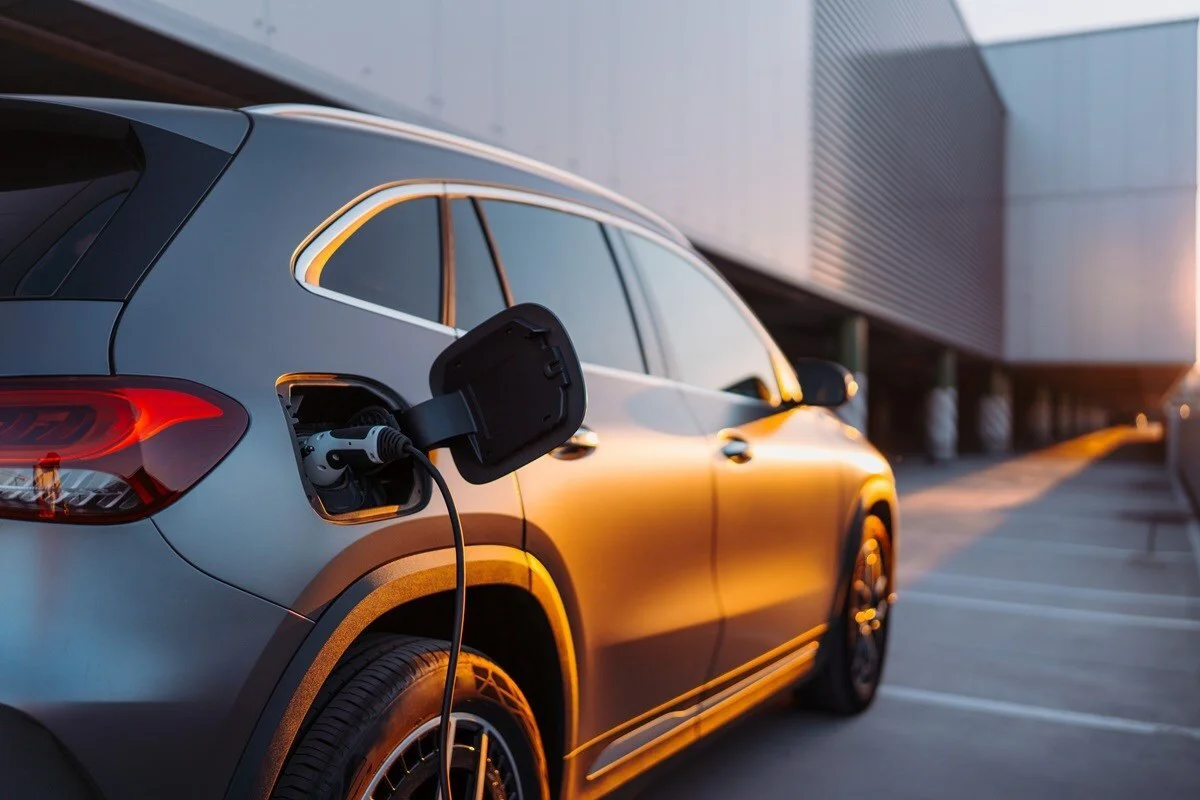
China is taking further steps to bring order to lithium-ion battery recycling, with a new policy issued by the Ministry of Industry and Information Technology together with the All-China Federation of Supply and Marketing Cooperatives. Published on April 3 and reported by IT-Home, the guidance builds on a growing body of regulation that now covers much of the electric vehicle (EV) battery lifecycle.
For the global aluminium value-chain 2026 outlook, book our exclusive report “Global ALuminium Industry Outlook 2026"
The document sets out several priorities: expanding collection networks, supporting larger recycling firms, and improving oversight through digital systems. In tone and structure, it follows recent policy developments seen in the EV battery space.
One of the central ideas is to tie recycling more closely to manufacturers. Lithium batteries and electric bicycle producers are being encouraged to work directly with the recycling companies to produce networks for collection and short-term storage.
This reflects a broader direction in China’s EV industry, where manufacturers and battery suppliers are increasingly expected to take responsibility for batteries once they reach the end of their usable life. The role of major recycling companies is also given importance. This policy highlights China Recycling Group as a model, urging it to increase its processing capacity while tailoring its approach to suit varying regional conditions.
This aligns with an ongoing shift in the EV sector, where large, centralised players are taking on a greater share of battery recovery and processing.
Alongside these physical systems, the authorities are placing emphasis on digital tracking. Platforms are to be used to record where batteries come from, how many are handled, and where they go at each stage of the recycling process.
This sits alongside a wider effort to build a full lifecycle management system. On April 1, a national traceability platform for power batteries was introduced, requiring companies to upload data covering production, use, and recycling. Each battery is given a unique digital identity, allowing it to be tracked throughout its lifespan within a central system. The platform establishes a closed-loop system for oversight by bringing together battery manufacturers, EV producers, maintenance providers, and recycling companies.
The latest recycling policy effectively adds the on-the-ground infrastructure needed to support that system, particularly by expanding collection points and bringing greater consistency to recycling channels.
Responsibility for putting these measures into practice will be shared. Local authorities are tasked with implementing uniform technical standards and creating scalable models, while oversight of progress will rest with central government bodies. These reflect a familiar pattern in China’s EV regulation, where coordination between regulators and industry is a key feature.
The changes also sit within a broader push towards closed-loop battery management. China has already signalled tougher rules coming into force in 2026, which will require automakers and battery producers to take greater responsibility for used batteries and to establish proper recycling networks. These rules are intended to strengthen formal recycling systems and improve oversight, particularly as the number of retired batteries continues to grow.
Don't miss out- Buyers are looking for your products on our B2B platform
Note: Image for referential purposes only

ORIX group pioneers aluminium window horizontal recycling at Suginoi Hotel’s Naka Kan demolition
Next articleColumbia Falls community launches aluminium recycling drive during Earth Month
Grow with
AL Circle