China builds a green energy backbone across industry, AI and fuels
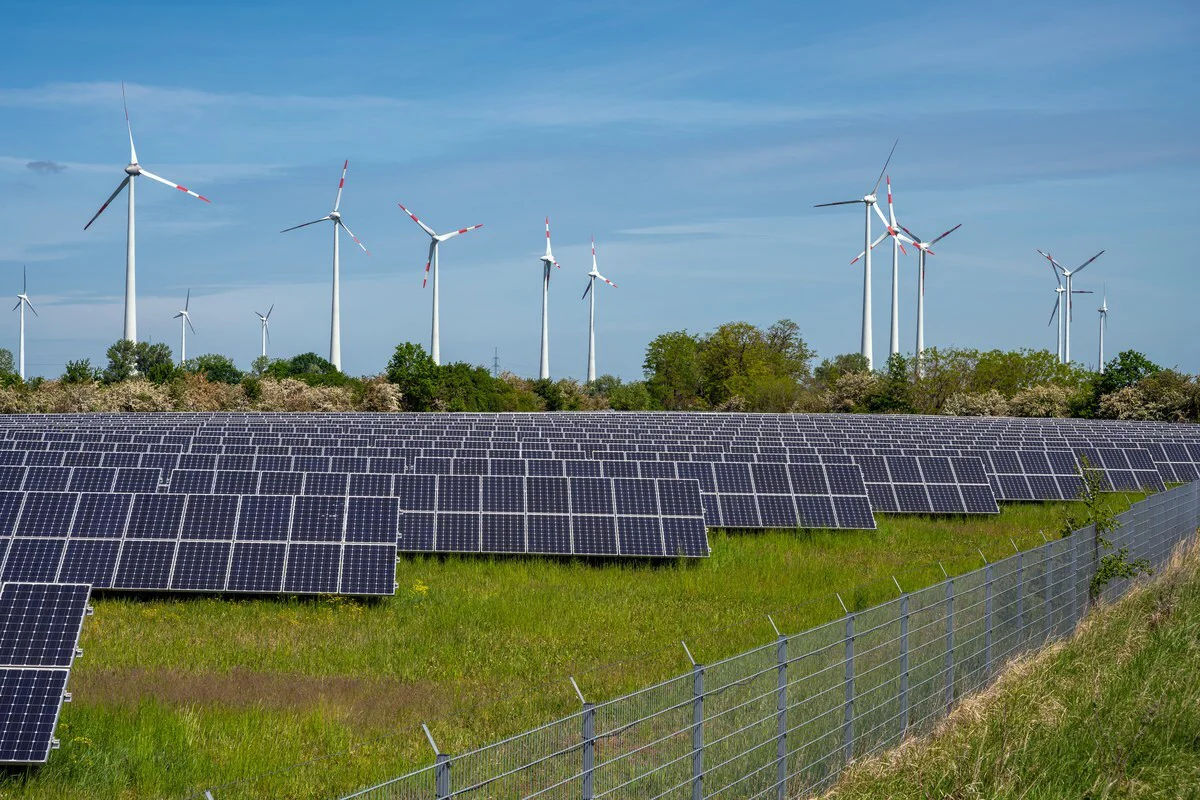
China has become a major driver of renewable energy growth after years of investment and new technology. Even as global oil markets face uncertainty, the country’s green energy sector continues to expand.
Renewable energy is no longer just a backup. It is now being used as a main power source in industries and new sectors like data centres and artificial intelligence (AI).
For the global aluminium value-chain 2026 outlook, book our exclusive report “Global ALuminium Industry Outlook 2026"
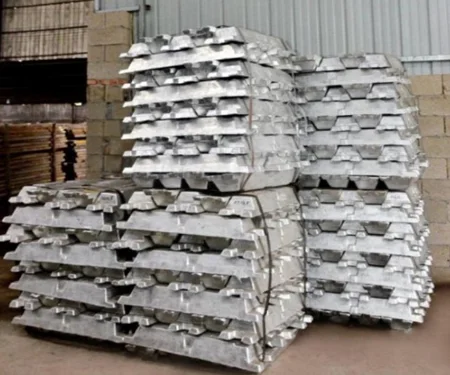
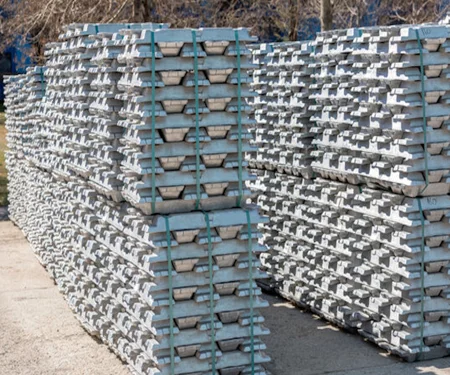
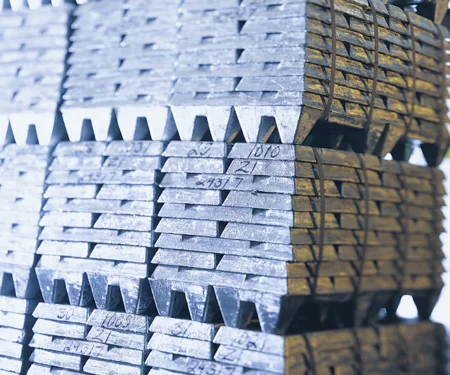
In Inner Mongolia, wind and solar resources are widely used. The region holds about 57 per cent of China’s wind and 21 per cent of its solar potential. In the city of Holingol, aluminium production once depended on coal power; today, it uses wind energy managed through modern grid systems.
In 2025, Holingol produced around 6.5 billion kWh of green electricity. This saved about 1.95 million tonnes of coal and cut 5 million tonnes of carbon emissions. The cost of green power is low, around CNY 0.15 to 0.18 (USD 0.02) per kWh, which has attracted companies to set up operations there. The city now has a full aluminium supply chain, from raw metal to finished products.
Renewable energy is also supporting data centres. In Hohhot, a large data centre cluster runs mainly on wind power. It includes more than 50 data centres, with about 88 per cent of their electricity coming from green sources. These centres support AI training, data storage, and digital services across major regions, boasting a computing power of 20,100 petaflops.
The Centre’s deputy general manager, Li Chenggui, said, “We provide server leasing, model training, and data storage services for more than 100 clients, supporting massive computing power demands in the Beijing-Tianjin-Hebei and Yangtze River Delta regions."
Xuanwu Intelligent Computing, based in Beijing, has established a 30,000-GPU cloud rendering facility in the Horinger cluster.
China is also using renewable energy to produce cleaner fuels. In Chifeng, a project produces 320,000 tonnes of green ammonia each year using wind and solar power. This initiative was taken by Envision Energy.
Don't miss out- Buyers are looking for your products on our B2B platform
The hydrogen expert Zhang Jian says AI quickly stabilises wind and solar power for industry use. Green electricity then produces hydrogen from water, which makes green ammonia. The project won COP28's Energy Transition award and two International Sustainability and Carbon Certification acknowledgements.
In February, the company shipped the world's first batch of green synthetic ammonia to South Korea
Must read: Key industry individuals share their thoughts on the trending topics
Another project in Ordos will produce 100,000 tonnes of green methanol annually and use 150,000 tonnes of carbon dioxide. It is a project by China Coal’s local unit and the Dalian Institute of Chemical Physics.
These developments show how China is using renewable energy in industry, digital services, and fuel production, helping reduce emissions while supporting economic growth.

Sharp Q2 price hike by China Northern Rare Earth reshapes cost outlook for miners
Next articleIndia's power equipment sector enters growth cycle on renewable push
Grow with
AL Circle