India’s wind capacity crosses 56 GW after a 6.05 GW addition, with a 46% growth
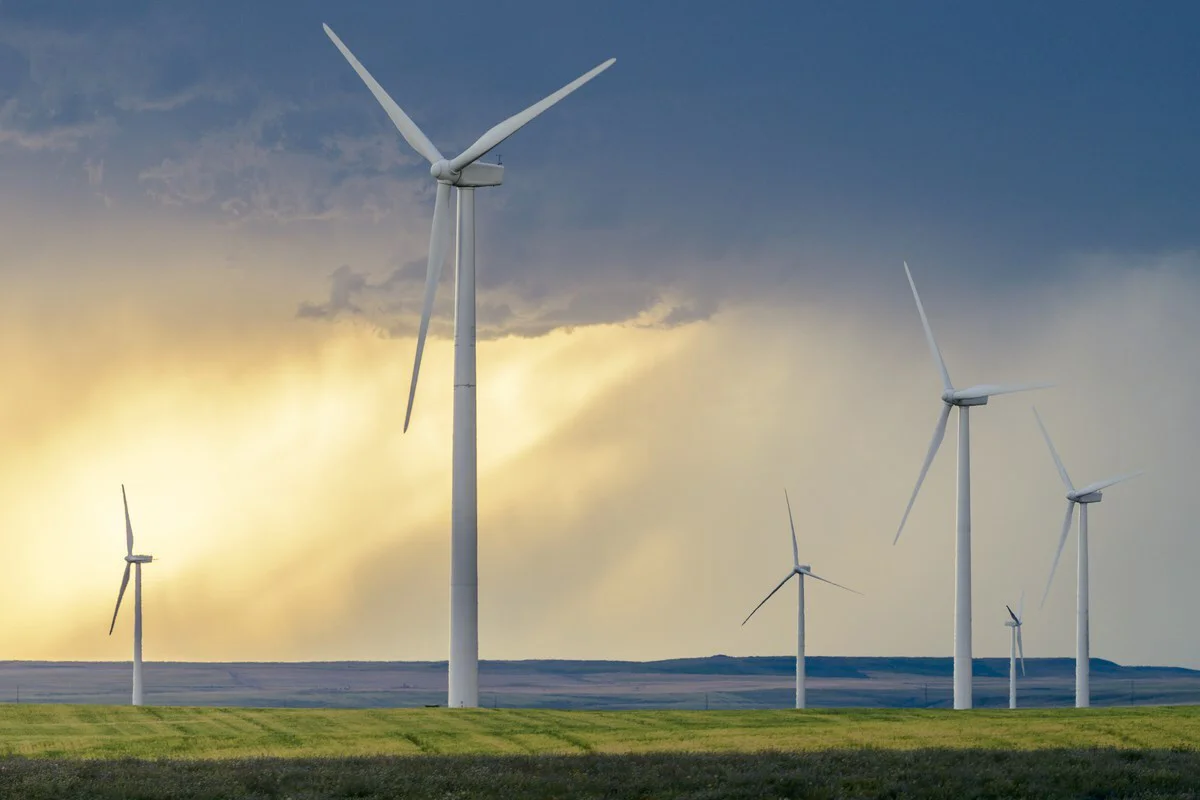
In FY2025-26, India hit its record wind power addition of 6.05 GW. This represents a 46 per cent increase compared to the previous year and exceeds the earlier peak recorded in FY2016-17.
With this, the country’s total installed wind capacity reached over 56 GW.
For the global aluminium value-chain 2026 outlook, book our exclusive report “Global ALuminium Industry Outlook 2026"
India’s wind capacity growth aids its drive for non-fossil fuels. The 2030 goal is 500 GW, with wind joining solar and other renewables.
The government is supporting the wind sector through several measures. It lowered customs duties on turbine parts and raw materials. It offered phased waivers on inter-state transmission charges (ISTS) until June 2028. There is a usage of competitive bidding for project allocation. A separate renewable consumption obligation (RCO) has been introduced for wind energy. The National Institute of Wind Energy also provides technical support.
States like Gujarat, Karnataka, and Maharashtra took hold of most of the new capacity. They attract investment because of strong winds and good infrastructure.
New data shows wind power growth is increasing again after slowing down in recent years.
Sustaining this will hinge on smooth project delivery, grid preparedness, and steady policies.
Don't miss out- Buyers are looking for your products on our B2B platform
The Indian wind energy program started in the early 1990s. Now it has become a grid-connected system with the help of strong policy frameworks.
FY26 data reveal a clear boost in wind installations, signalling steady sector momentum without big structural shifts.

Breakthrough in raw material extraction from incinerator bottom ash
Next articleIndia’s 500 GW clean energy goal faces a critical mineral challenge
Grow with
AL Circle