CEM’s Thor project: Is Canada eyeing an alumina abundance to reduce bauxite import dependence?
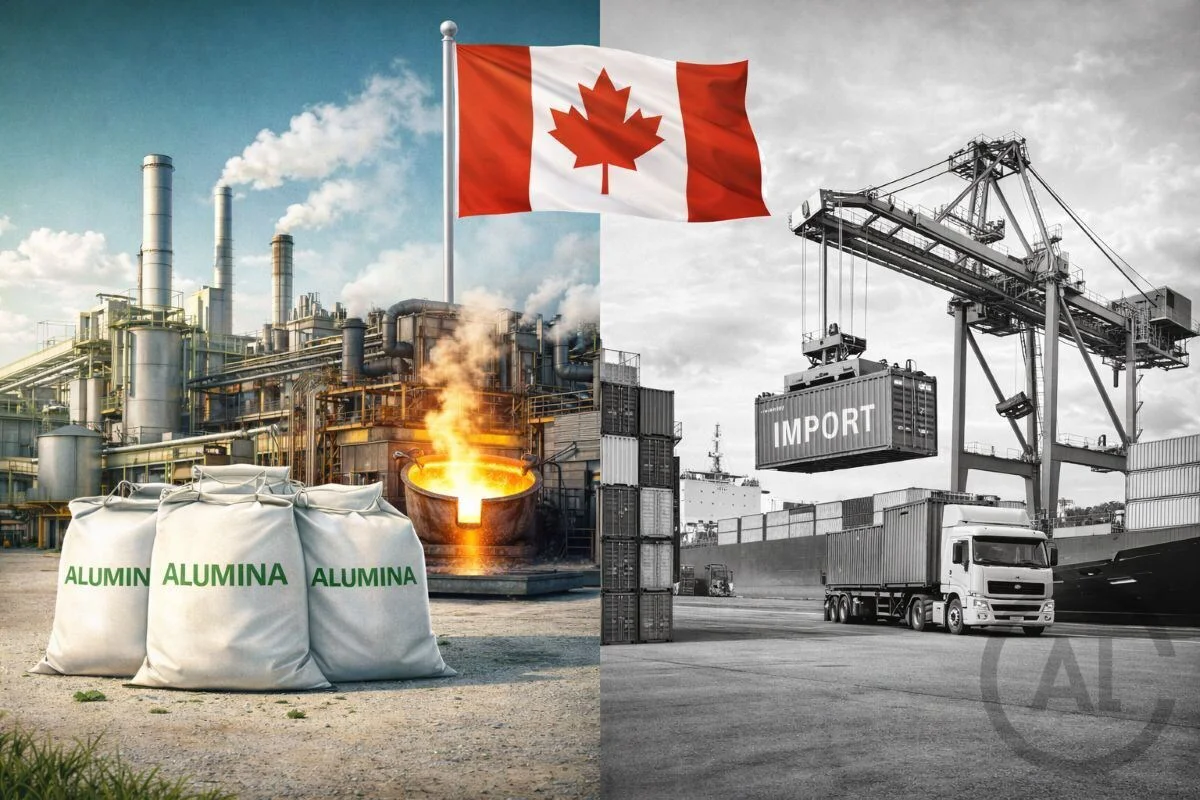
Canadian Energy Metals Corporation (CEM) has released a Preliminary Economic Assessment (PEA) for its Thor Project in Saskatchewan. It outlines the potential for a globally significant, Chemical-Grade and High-Purity alumina stock during the times of high aluminium demand, as aluminium supply chains are under growing geopolitical and trade pressure.
Explore- Most accurate data to drive business decisions with Global ALuminium Industry Outlook 2026 across the value chain
CEM President and CEO Christopher Hopkins referred to the Thor project as “a possible game changer for North America’s aluminium supply chain.” He mentioned establishing the Saskatchewan alumina stock and added, “Our next focus is to engineer a demonstration facility while moving Thor towards commercialisation.”
Unlock full access – sign up for FREE.
Key benefits
Metlen produces 5kg gallium, achieves milestone in bauxite processing
Next articleWEEKLY: Output cuts trim China alumina prices while stocks stay high
Grow with
AL Circle