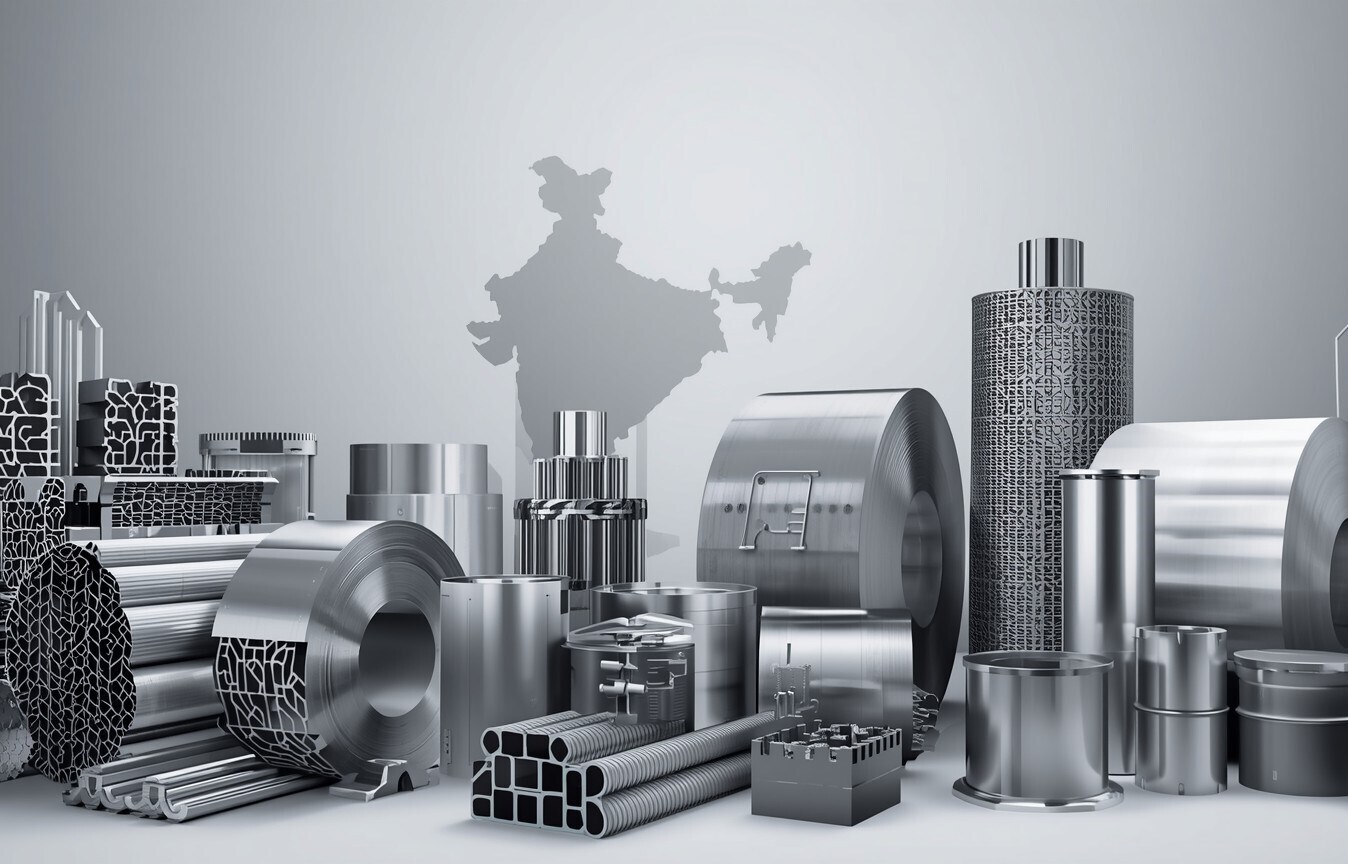
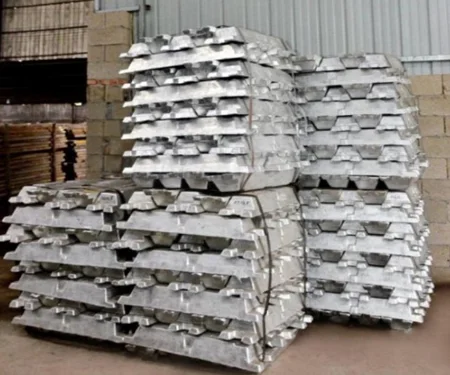
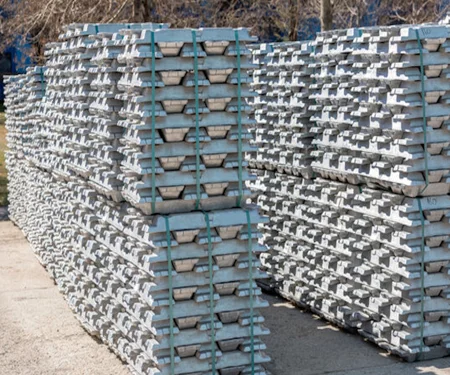
Note: The image used in this article is generated with an AI tool and does not depict any real-time moment
India’s aluminium tariff regime, especially now in 2026, has become a regulatory fault line between upstream smelters chasing security, downstream processors absorbing cost pressure, recyclers fighting for cheaper feedstock and the country is trying to balance it all to keep a lid on inflation while building a strategic industrial base.
{alcircleadd}A tariff to protect, but not to simplify
At the centre of the debate is India’s differentiated duty structure. Primary aluminium under HS 7601 is charged at 8.25 per cent, scrap under HS 7602 at 2.5 per cent, bars, rods, profiles, plates, sheets and strips at 7.5 per cent, foil at 7.5 per cent-10 per cent, and finished structures and articles at 10 per cent.
That means that the duty structure has created a constant friction point, because preferential access under FTAs can allow finished goods to land duty-free while intermediate raw materials continue to face a measurable tax burden.
Additionally, the landed cost increases further once the Social Welfare Surcharge (SWS) and IGST are added. SWS is calculated at 10 per cent of the aggregate duties excluding GST, while IGST stands at 18 per cent for most aluminium articles. The effective duty on primary aluminium is roughly 9.1 per cent before IGST, a level that becomes especially heavy when LME prices are already elevated.
For the global aluminium value-chain 2026 outlook, book our exclusive report “Global ALuminium Industry Outlook 2026"
The Union Budget chose restraint over a flat 15 per cent hike
The most striking feature of the Union Budget 2026-27 is not what it changed but what it refused to change. Industry bodies, including the Aluminium Association of India and FIMI, had pushed for a flat 15 per cent basic customs duty on aluminium products, including scrap. Their argument was that India could end up importing around 55 per cent of its aluminium requirement in FY26, with the trade deficit reaching a record USD 3.4 billion (or about INR 30,000 crore).
In FY 2024-25, India’s aluminium production capacity, including downstream products, stood at 6.4 million tonnes. However, India imported around 3 million tonnes of aluminium — including primary, alloyed, unwrought, and fabricated forms. The government did not accept that demand. Instead, it kept the existing tariff structure unchanged.
…and so much more!
SIGN UP / LOGINResponses