BYU-Toyota partnership increases welding efficiency for aluminium sliding doors on Sienna
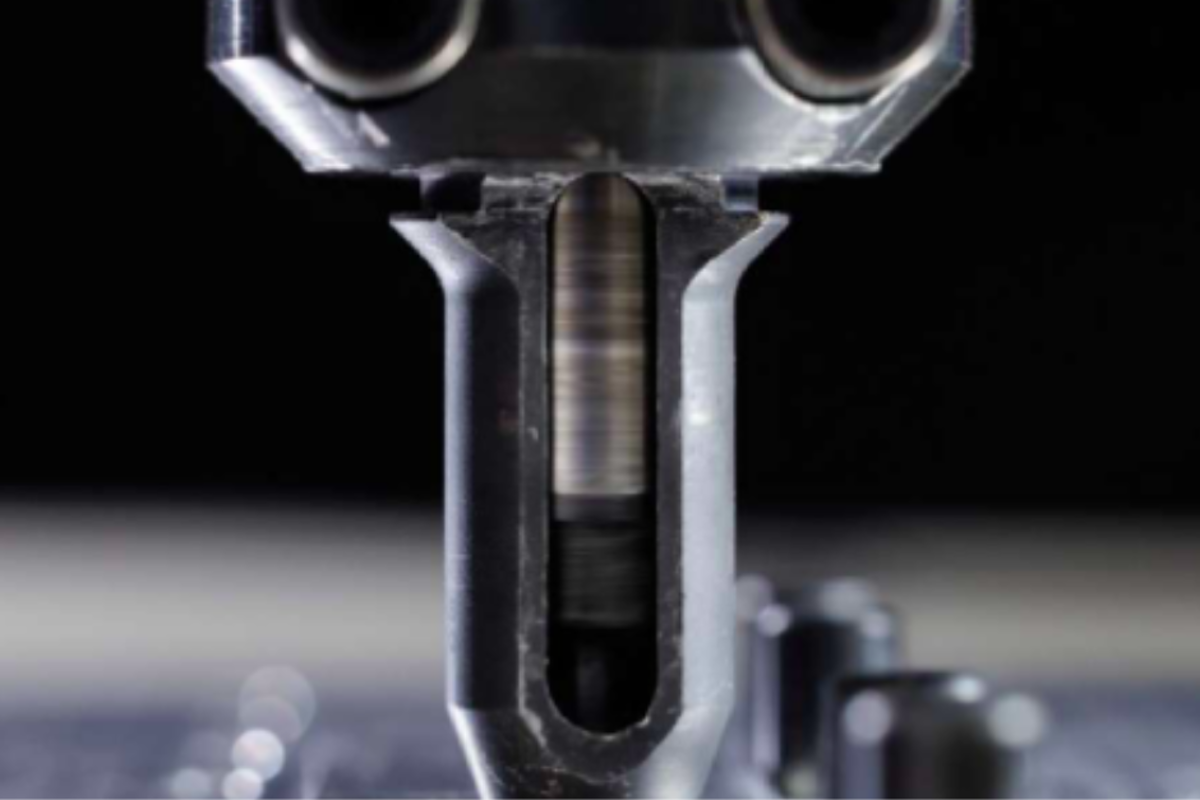
BYU has collaborated with Toyota to develop a more efficient welding technique for the sliding doors of the Toyota Sienna. Traditionally, resistance spot welding has been used, a method suited to steel. However, the new process, called refill friction stir spot welding, adapts this principle specifically for aluminium's unique chemical properties.
This innovation is especially timely as car manufacturer’s shift towards lighter aluminium components instead of steel. According to a release from BYU, the new technique consumes 40 times less energy, emits fewer emissions, and results in welds that are 10 times stronger.
“Toyota has been using the cleanest technologies they have available to them, but what BYU research is bringing to them is a technology that is a game changer. They partnered with us to be able to essentially do a side-by-side comparison of the same model of car with new welding technology,” said Hovanski.
BYU manufacturing engineering professor Yuri Hovanski presented the welding innovation at a conference, where it caught the attention of Toyota's team, leading to a partnership proposal. Hovanski, along with graduate student Damon Gale, visited Toyota’s manufacturing plant in Indiana to assess the current production process and explore ways to implement the new technique for aluminium sliding doors.
Refill friction stir spot welding fuses metal without melting it, keeping it in a solid state. The process involves applying pressure and inserting a pin into the metal, where friction softens it to enable bonding.
Constantia Flexibles unveils revolutionary digital print solution for aluminium dairy lids
Next articleUS finds subsidised imports of disposable aluminium containers from China hurt the domestic market
Grow with
AL Circle