06 JANUARY 2014www.grbj.com
Businesses in Michigan want strict Metal Regulatory Act to deter scrap metal theft
Edited by : AL CIRCLE
3 min read

A coalition of businesses in Michigan is driving a major overhaul of the state’s Nonferrous Metal Regulatory Act to make the sale of stolen scrap metal harder to get away with.
The major change in the existing law is to expand it to include ferrous metals — iron and steel — in addition to nonferrous metals such as copper, aluminum, lead, nickel, tin and zinc.
Other proposed changes relate to how and when an individual selling scrap is paid, and requirements for recording an image of the seller and the material being sold, up to and including videotaping the transaction.
The Michigan Railroads Association is an active member of the coalition, as is the Michigan Farm Bureau, Consumers Energy, phone companies, MDOT and local governments, according to Jon Cool of the Michigan Railroads Association.
Padnos Inc., founded in Holland in 1905 by Louis Padnos, is among the three largest scrap-processing and recycling companies in Michigan and is very involved in the legislation that is expected to pass in January in the Michigan Legislature.
“There have always been scrap metal thefts,” said Simon, but its value is relatively high now, mainly because scrap metal is a global commodity and the dollar is weaker overseas than it had been. Another reason thefts are more prevalent now may have to do with high unemployment.
According to the Institute of Scrap Recycling Industries, the U.S. exported more than 1.2 million metric tons of copper scrap in 2011, worth almost $5 billion, compared to the $500 million worth of copper scrap exported in 2000. China is the big customer, buying almost $3.5 billion worth in 2011.
Global demand for U.S. scrap aluminum also is rising sharply, according to ISRI — and again, China is the big customer, buying about two-thirds of the 2.1 million metric tons exported in 2011.
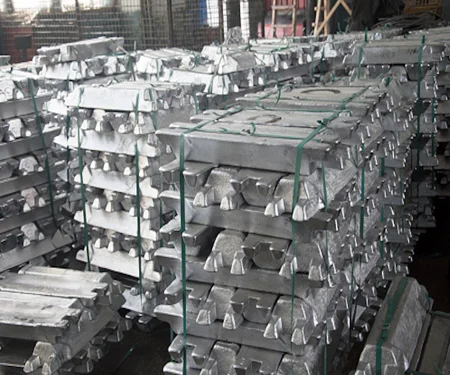
An aluminum canoe or rowboat left by the waterfront might be cut up in pieces, headed to Asia in the hold of a ship. Aluminum scrap was selling for more in 2007 and 2008, “but it’s still not bad,” said Simon, typically selling for about 50 cents a pound today. Scrap steel — such as old cars — is bought by the scrap yards for about 10.5 cents a pound.
According to an analysis of the proposed law, HB 4593 (S-3), by the Senate Fiscal Agency, it would allow a scrap dealer to pay for metal only by check or money order, or by electronic payment card at an ATM on the premises, which would automatically record an image of the seller. Of course, identification already is required, and some scrap businesses take a thumbprint and maintain ongoing accounts for individuals who come in repeatedly.
Another clause in the proposed law would prohibit a scrap dealer from paying the seller until three business days after a transaction involving certain commonly stolen items — catalytic converters, air conditioners, and copper wire, pipe and fittings.
The legislation also is designed to encourage the scrap industry to use a real-time database that reports every purchase of scrap metal, which would be available to law enforcement agencies.
The major change in the existing law is to expand it to include ferrous metals — iron and steel — in addition to nonferrous metals such as copper, aluminum, lead, nickel, tin and zinc.
Other proposed changes relate to how and when an individual selling scrap is paid, and requirements for recording an image of the seller and the material being sold, up to and including videotaping the transaction.
The Michigan Railroads Association is an active member of the coalition, as is the Michigan Farm Bureau, Consumers Energy, phone companies, MDOT and local governments, according to Jon Cool of the Michigan Railroads Association.
Padnos Inc., founded in Holland in 1905 by Louis Padnos, is among the three largest scrap-processing and recycling companies in Michigan and is very involved in the legislation that is expected to pass in January in the Michigan Legislature.
“There have always been scrap metal thefts,” said Simon, but its value is relatively high now, mainly because scrap metal is a global commodity and the dollar is weaker overseas than it had been. Another reason thefts are more prevalent now may have to do with high unemployment.
According to the Institute of Scrap Recycling Industries, the U.S. exported more than 1.2 million metric tons of copper scrap in 2011, worth almost $5 billion, compared to the $500 million worth of copper scrap exported in 2000. China is the big customer, buying almost $3.5 billion worth in 2011.
Global demand for U.S. scrap aluminum also is rising sharply, according to ISRI — and again, China is the big customer, buying about two-thirds of the 2.1 million metric tons exported in 2011.
An aluminum canoe or rowboat left by the waterfront might be cut up in pieces, headed to Asia in the hold of a ship. Aluminum scrap was selling for more in 2007 and 2008, “but it’s still not bad,” said Simon, typically selling for about 50 cents a pound today. Scrap steel — such as old cars — is bought by the scrap yards for about 10.5 cents a pound.
According to an analysis of the proposed law, HB 4593 (S-3), by the Senate Fiscal Agency, it would allow a scrap dealer to pay for metal only by check or money order, or by electronic payment card at an ATM on the premises, which would automatically record an image of the seller. Of course, identification already is required, and some scrap businesses take a thumbprint and maintain ongoing accounts for individuals who come in repeatedly.
Another clause in the proposed law would prohibit a scrap dealer from paying the seller until three business days after a transaction involving certain commonly stolen items — catalytic converters, air conditioners, and copper wire, pipe and fittings.
The legislation also is designed to encourage the scrap industry to use a real-time database that reports every purchase of scrap metal, which would be available to law enforcement agencies.
Previous article
Aluminium Tiger installation of Calais is stolen for scrap
Next articleU.S.Can recycling rate hits 67 percent
Grow with
AL Circle