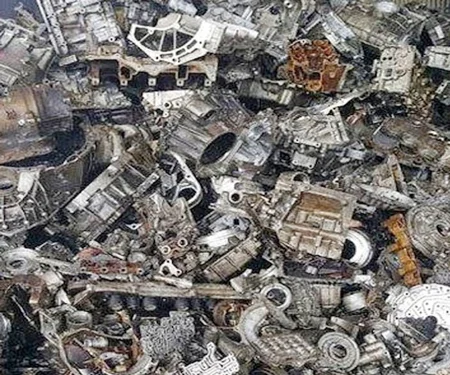
Brunel University London joins Constellium-led CirConAl consortium
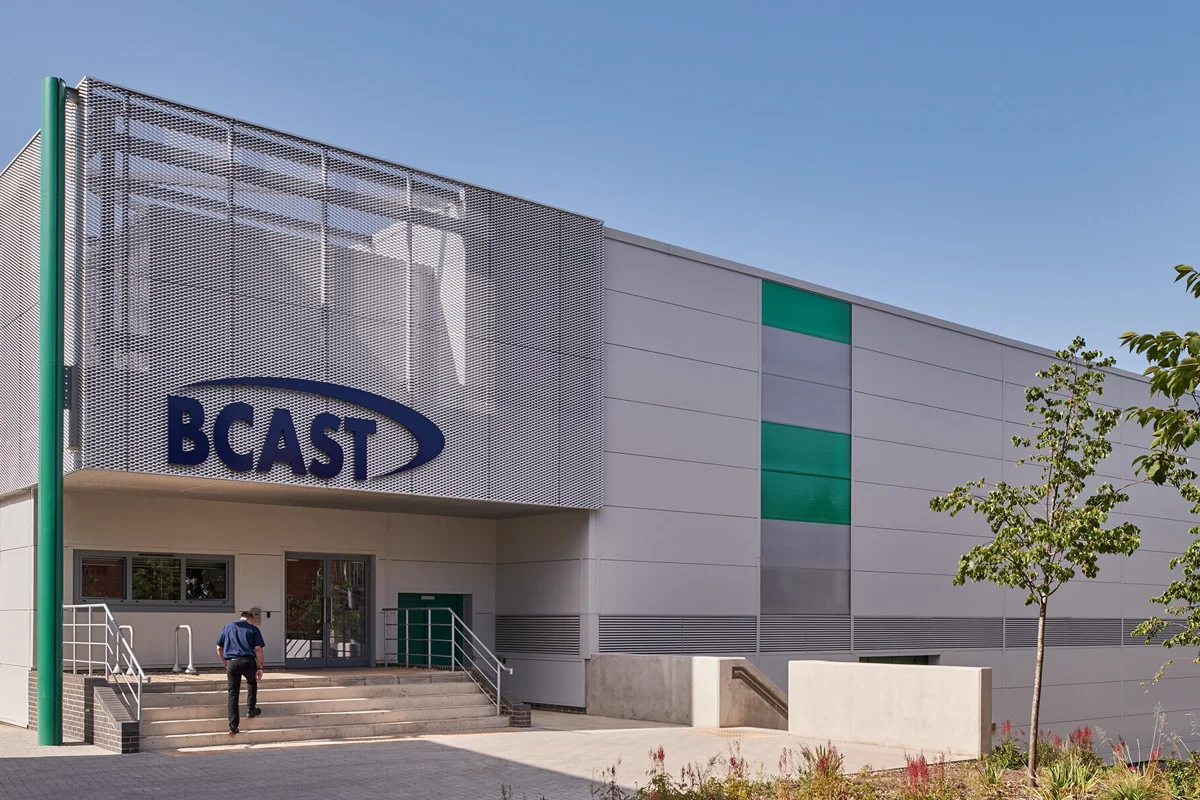
The world's leading research institute, Brunel University London, has joined forces with automakers and suppliers to develop low-carbon, low-cost aluminium extrusion alloys through BCAST, the Brunel Centre for Advanced Solidification Technology. The £10 million CirConAl project, funded by the Advanced Propulsion Centre (APC) of the United Kingdom, intends to maximize the use of post-consumer trash in a new generation of high-strength alloys with a carbon footprint of less than 2 tonnes of CO2 per tonne of aluminium produced.
In the UK, programmes to create a whole supply chain for zero-emission vehicles are supported by the government, businesses, and industry working together as CirConAl. The Secretary of State for Business, Energy, and Industrial Strategy, Grant Shapps, revealed the funding competition's outcomes on December 2.
The partnership for the project, which Constellium is directing, consists of partners with expertise in aluminium joining, manufacturing, and life-cycle analysis (LCA), as well as automakers, suppliers, and recyclers operating in the UK market.
The CirConAl technical innovation is the creation of the high-strength aluminium 6xxx alloy families Constellium HSA6® and Constellium HCA6® from end-of-life scrap streams.
BCAST created these alloys in collaboration with Constellium's University Technology Center (UTC) at Brunel University London.
The UK has the most extensive installed base of automated end-of-life scrap sorting systems for aluminium and the best technology currently available, according to a rigorous analysis of automated aluminium scrap sorting technology.
The best-in-class HSA6® and HCA6® extrusion alloys from Constellium are created with intentional additions of copper, silicon, and magnesium. Compared to the more established, conventional incumbent copper-free alloys, they can be made with higher amounts of end-of-life scrap.
The project is designed to show that high-strength alloys with high recycled content may meet or surpass OEM requirements, such as strength, crushability, durability, and other performance parameters, by designing, developing, prototyping, and testing aluminium vehicle components at scale. The partners would jointly develop scrap sorting technologies to protect valuable metals' worth and promote a circular economy. These technologies would ensure that valuable metal is recycled into new automotive solutions rather than downcycling.
At Constellium's UTC, a centre of excellence for creating aluminium Crash Management Systems and body structure components and battery enclosures for electric vehicles, aluminium extrusions and parts for the CirConAl project will be prototyped and tested in collaboration with BCAST.

Rapid prototyping is made possible by the industrial-scale casting and extrusion equipment housed in the BCAST Advanced Metal Casting and Advanced Metal Processing Centres (AMCC and AMPC) on the Brunel campus. This decreases development times for the advanced alloys necessary for lightweight automotive components by at least 50%.
The CirConAl joint research and development project's technology will offer the quickest path to net zero aluminium alloys.
Decline in US aluminium scrap exports to South Korea during Sep’22 leads to a quarterly fall by 18%
Next articleWWW and Hydro sign agreement for exploration of floating wind turbines built using recycled aluminium
Grow with
AL Circle